
Recognise the myths that have crept into our diet in the name of nutrition and banish them to lead a healthy life.
Thinking about nutrition and health takes
up a significant part of our day. If you think about it, from buying the right vegetables to having the healthy ingredients, cooking them well, and finally eating them, is all we do in a day. Like fashion, nutrition has waves of changes where we keep shifting from one trend to another, whichever suits us best. But with time, there are some myths along with actual facts that have crept their way in, and ridiculously enough, we still follow them. Here are the myths and the eye-opening facts to keep them at bay from this very instance.
Myth: Carbs Are Bad For You
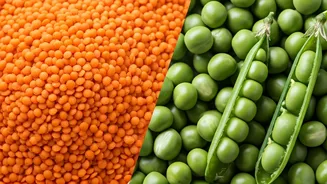
With the trending diet plans, carbohydrates have been associated with weight gain, and unnecessary nutrients have been added to your daily food intake. While most of us see pizza, macaroni, and cheese as the carbs’ source, it is not really. Carbohydrates are energy fuels needed to get your brain working. Once burned up by the body, they provide pure energy that keeps the body functioning. The natural sources of carbs are rich in fibres, manganese, folate, and selenium. Cutting out carbs can affect your overall stamina and keep you feeling lethargic.
Myth: Dairy Causes Inflammation
Lactose intolerance is a common allergy among humans, but other than that, the notion that dairy causes inflammation is misleading. Research has proved that dairy products like yoghurt and kefir have anti-inflammatory properties that help you digest well and are rich in calcium, potassium, Vitamin D, and protein.
Myth: Almond Milk Is Healthier Than Cow Milk
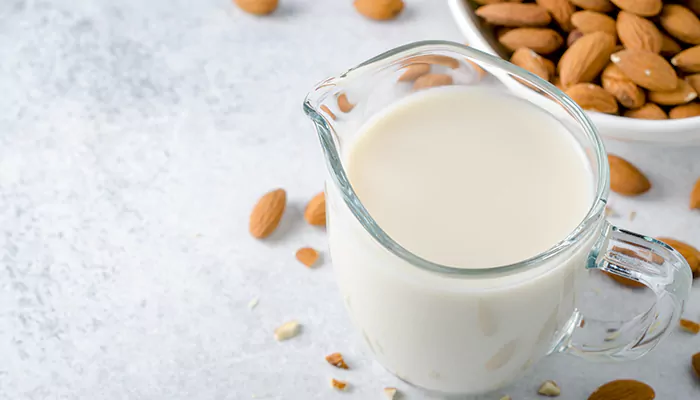
The debate over which milk is better is never-ending. The fewer calories and the omission of dairy helped gain popularity for the almond milk. However, the primary nutrition for milk lies in the calcium content that is missing in almond milk. The almond milk often has sugar fillers that can cause unnecessary addition of sucrose in your body.
Myth: Gluten-Free Is Always Better
Except for those who are allergic to gluten, having gluten-free products can cause you more than you think. To make them as appealing as the ordinary product, they are over-processed and contain significantly less fibre and are high in sugar.
Myth: Sugar Is Toxic
Health-conscious people have gone to the lengths to consider sugar a toxic addition to our diet. When we say sugar, we usually think of the crystalline cubes that we mix into our tea and coffee. However, sugar is present in many food items, and fruits turn into sucrose and give you the immediate energy required to do your daily chores.