





Introduction
Aging is a natural part of life that everyone experiences, but the science behind why we grow older remains a subject of fascination and ongoing research.
As humans, we start aging from the moment we are born, and the process continues throughout our lives. Over time, our bodies undergo numerous changes—both visible and internal—that result in the eventual decline of physical and cognitive functions. While aging is inevitable, understanding the biological processes that drive this phenomenon helps to shed light on how and why our bodies age. This article explores the science behind aging, from cellular changes to genetic factors, and how these processes affect the body over time.
The Role of Cells in Aging
At the heart of the aging process are the cells in our body, which are constantly dividing and replicating. Over time, however, this process becomes less efficient. One of the most significant contributors to aging is the gradual accumulation of cellular damage. Each time a cell divides, the DNA within it is copied. This copying process is not always perfect, and small errors can accumulate over time. These errors, known as mutations, can impair cell function, leading to the gradual deterioration of tissues and organs.
Additionally, our cells have a limited ability to divide. This concept, known as the "Hayflick limit," refers to the number of times a normal, somatic cell can divide before it stops. As cells reach this limit, they enter a state called "senescence," where they no longer divide but can still release harmful substances that contribute to aging. These senescent cells accumulate over time, leading to tissue dysfunction and inflammation, both of which are associated with aging and age-related diseases.
Telomeres and Cellular Aging
One of the key factors in cellular aging is the shortening of telomeres, which are protective caps at the ends of chromosomes. Every time a cell divides, the telomeres shorten slightly. As telomeres shorten with each division, the cell becomes less capable of replicating itself and eventually enters senescence. This process is one of the main reasons for the aging of tissues and organs, as the body’s ability to regenerate and repair itself diminishes over time.
Interestingly, certain cells in the body, such as stem cells and gametes (sperm and eggs), contain an enzyme called telomerase, which can rebuild and lengthen telomeres. However, most somatic cells lack sufficient telomerase activity, meaning their telomeres gradually shorten with age, leading to cell dysfunction and the eventual breakdown of tissues. This is a key biological mechanism that underpins aging.
Mitochondrial Dysfunction and Aging
Mitochondria are the powerhouses of the cell, responsible for generating energy in the form of ATP (adenosine triphosphate). Over time, mitochondria accumulate damage from oxidative stress—a process in which reactive molecules called free radicals damage cell components, including the mitochondrial DNA. This damage leads to a decline in mitochondrial function, reducing the cell’s energy production and impairing its ability to repair itself.
As mitochondrial dysfunction increases, cells become less efficient, leading to the weakening of tissues and organs. Mitochondrial dysfunction is believed to play a significant role in age-related diseases such as Alzheimer’s, Parkinson’s, and other neurodegenerative disorders. Furthermore, the accumulation of damaged mitochondria may contribute to systemic aging, as the body’s tissues lose their regenerative capabilities.
The Impact of DNA Damage
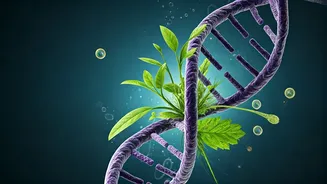
Throughout life, our DNA is constantly exposed to internal and external stressors, including ultraviolet (UV) radiation, pollution, and the natural byproducts of metabolism. Over time, this damage accumulates, and the body’s ability to repair the DNA declines. As a result, mutations and damage to our genetic material contribute to aging by affecting the function of various organs and systems.
Our body has repair mechanisms, such as DNA repair enzymes, that work to fix DNA damage. However, as we age, the efficiency of these repair mechanisms decreases, leading to an accumulation of genetic mutations. These mutations can disrupt normal cell function and increase the risk of diseases like cancer, which are more common in older individuals. The gradual accumulation of DNA damage is one of the key drivers of aging and age-related diseases.
Inflammation and Aging: The Role of Chronic Inflammation
Another significant factor contributing to aging is chronic low-level inflammation, often referred to as "inflammaging." As we age, the immune system becomes less effective at responding to infections and repairs, leading to a constant state of mild inflammation. This inflammation is believed to play a key role in the development of age-related conditions, including heart disease, diabetes, and neurodegenerative diseases.
Inflammaging is thought to result from a combination of factors, including the accumulation of senescent cells, mitochondrial dysfunction, and the breakdown of tissue repair processes. The immune system’s inability to regulate this inflammation contributes to the accelerated aging of organs and tissues, further compounding the effects of aging on the body.
The Role of Genetics in Aging
Genetics play a crucial role in determining how fast we age and how we respond to age-related diseases. Studies on long-lived individuals, such as centenarians, have suggested that certain genes may protect against age-related decline. These genetic factors may influence how well our bodies repair DNA damage, handle oxidative stress, and manage inflammation.
Additionally, research on model organisms like mice and fruit flies has shown that manipulating specific genes can extend lifespan and delay the onset of age-related diseases. For example, genes involved in the regulation of cell growth, stress resistance, and metabolism have been linked to longer life expectancy. This has led to interest in the potential of gene therapies and lifestyle interventions that could slow the aging process.

Conclusion
Aging is a complex and multifactorial process driven by a combination of cellular damage, genetic factors, mitochondrial dysfunction, and chronic inflammation. While the biological mechanisms behind aging are not fully understood, scientific advancements are shedding light on the intricate processes that lead to the gradual decline in our physical and cognitive abilities. Understanding the science of aging opens up new possibilities for extending healthy lifespan and potentially mitigating age-related diseases. Although we cannot stop aging, continued research into its underlying causes offers hope for improving the quality of life as we age.