





It is not ink on paper; it is a civilization breathing in the margins.
You have seen the words. "We, the People." You have probably recited them, maybe
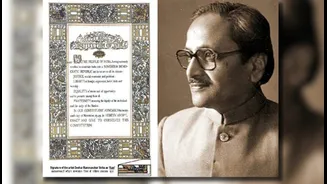
in a dusty school assembly hall or while skimming a civics textbook. But have you ever really looked at the page? I mean, really looked? Because if you stare long enough at the Preamble of the Indian Constitution, you realize something startling; the text is just the lyrics. The music - the actual rhythm of India - is in the borders.
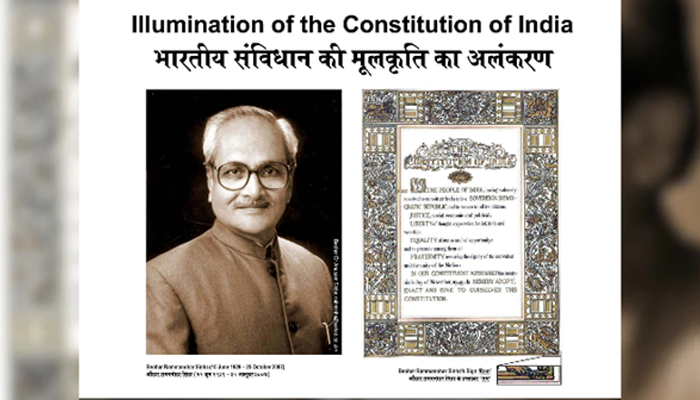
For years, a curious misconception drifted through WhatsApp forwards and casual trivia nights - that the beauty of our founding document was solely the work of Nandalal Bose. Bose was the captain, yes. But the man who actually breathed life into the Preamble, the one who took a brush and dipped it into the very soul of this chaotic, glorious subcontinent, was Beohar Rammanohar Sinha. And for the record, he wasn’t just "filling in the blanks."
The Man Who Signed 'Ram'
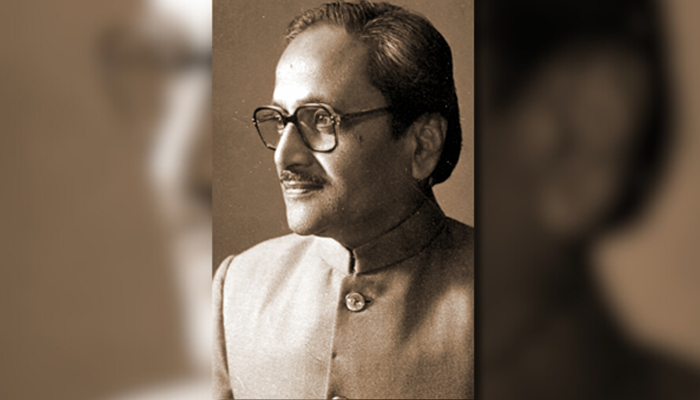
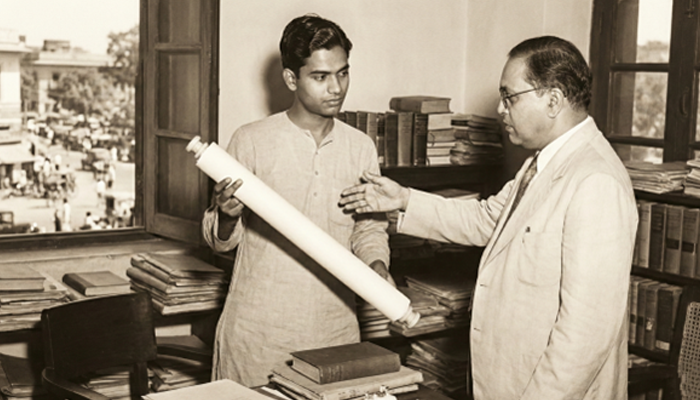
It is 1949. The air in Delhi is thick with the smoke of partition and the heady, terrifying scent of freedom. While the lawyers and the politicians argued over clauses in the Constituent Assembly, a quiet revolution was happening in Shantiniketan. Beohar Rammanohar Sinha, a young man from Jabalpur, was given a task that would have terrified a lesser artist: "Capture India." Not just the geography, but the idea of it.
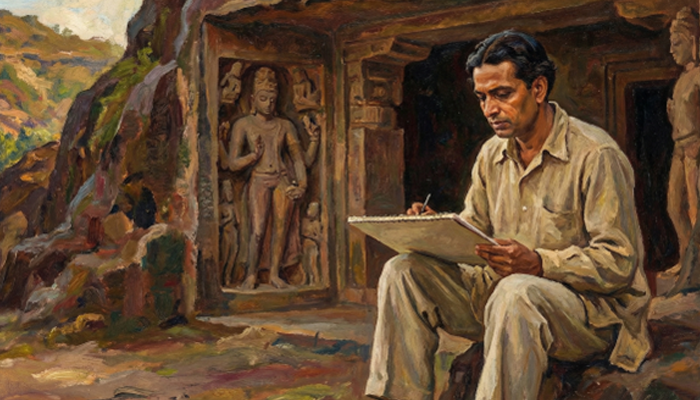
So, what did he do? He didn’t just draw pretty flowers. He packed his bags. He traveled. He went to the caves of Ajanta and Ellora; he stood in the shadow of the Sanchi Stupa. He absorbed the silence of Mahabalipuram. He realized that you cannot define India by one era or one religion. You have to paint the collision.
When you look at his illuminated pages, you are seeing a remix. You see the bull seal from Mohenjo-Daro sitting comfortably next to lotus motifs that wouldn't look out of place in a Buddhist vihara. It is a visual argument for "Unity in Diversity" long before politicians turned the phrase into a cliché.
And here is the kicker, the detail that makes you smile. In the bottom right corner of the Preamble, tucked away like a secret, is a tiny signature: Ram. Not a demand for credit, just a quiet "I was here."
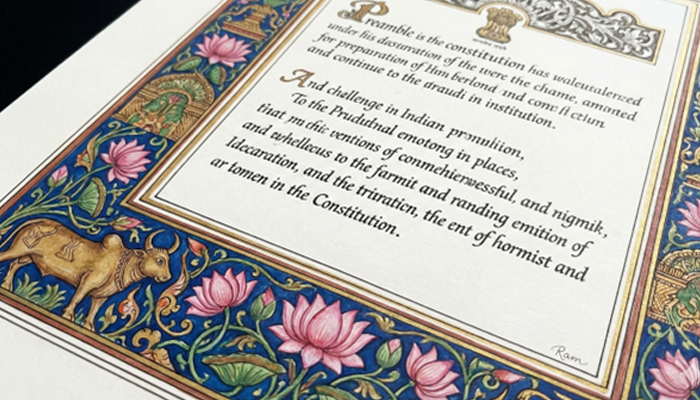
A Canvas of contradictions
Why does this matter now? Why bring it up on a Republic Day in 2026? Because we live in an age of sleek, minimalist design. Everything is Helvetica, clean lines, nothing messy. But democracy isn't clean. It is messy. It is loud. It is a riot of conflicting colors trying to find a pattern. Sinha’s art gets that.
His borders aren't rigid fences; they are flowering vines. They suggest that the law isn't a cage, but a trellis - something that helps the nation grow without strangling it.
The Preamble Page
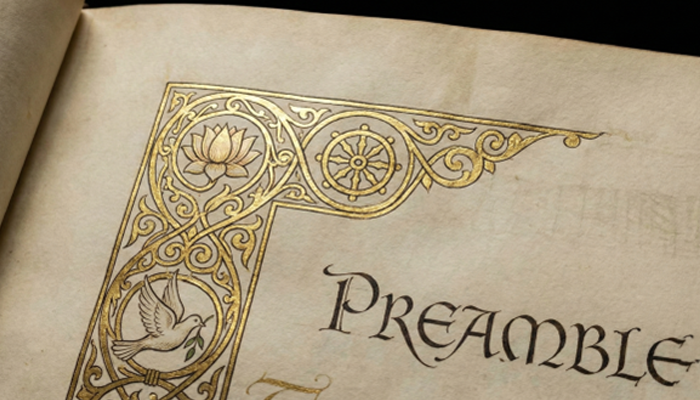
Look at the corners. The intricate gold work isn't just decoration; it mimics the illumination of medieval manuscripts, yet the motifs are distinctly secular.
The Civilizational Flow: The art moves through time
From the Vedic period to the freedom struggle, the illustrations don't just decorate the text; they contextualize it. They remind the reader that this Republic didn't pop out of thin air on January 26, 1950. It was five thousand years in the making.
The Art of Not Forgetting
It is funny how history works. We remember the people who held the microphones, the ones who gave the speeches. We forget the ones who held the brushes.
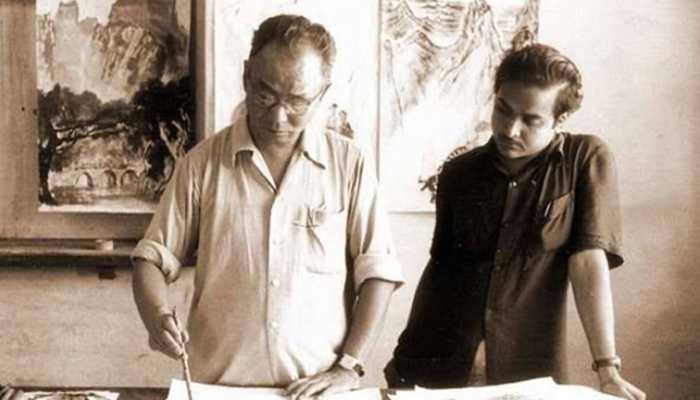
Beohar Rammanohar Sinha died in 2007, largely uncelebrated by the TikTok generation. But every time you see a picture of that Preamble, you are seeing his mind at work. You are seeing a man who understood that a Constitution needs to be more than a legal document. It needs to be a totem.
So this January 26th, when the parade is over and the jets have flown past, take a second. Google the original manuscript. Zoom in. Ignore the text for a moment and follow the vines, the animals, the geometry in the margins.
That is where the real story is.That is the India that doesn't scream, but whispers. And in that whisper, if you listen closely, you can hear the heartbeat of a billion people.Happy Republic Day.