









India’s highways may soon become faster and more technology-driven with the introduction of AI-based toll collection systems. While many commuters are
welcoming the idea of barrier-free travel and automatic toll deductions, some experts are also raising an important question, how much vehicle data will these smart systems collect?
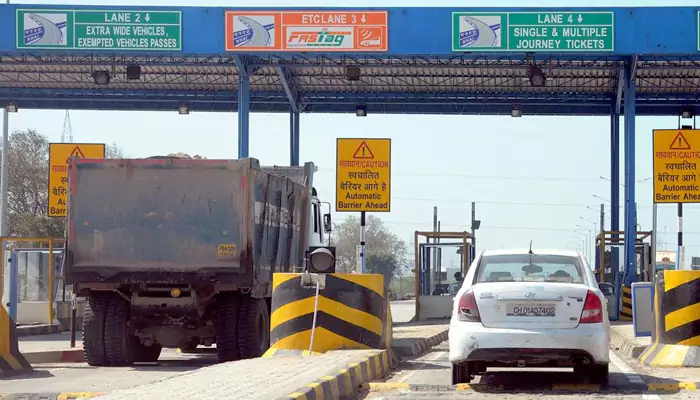
The government is planning to introduce AI-powered Multi-Lane Free Flow (MLFF) toll systems along with special FASTags for exempt vehicles as part of future highway upgrades.
While the move promises smoother travel and shorter waiting times, technology experts say growing digital monitoring on roads may also spark conversations around privacy and data protection.
How AI-Based Toll Systems Work
Unlike traditional toll booths, MLFF systems rely heavily on:
- cameras and sensors
- automatic vehicle identification systems
Vehicles passing through highways are digitally tracked so toll payments can be deducted automatically without stopping. Experts say the technology is designed mainly for efficiency and traffic management.
However, because vehicle movement data is continuously recorded, concerns around data usage may naturally arise.
Why Some Experts Are Discussing Privacy Risks
Digital transport systems often collect large amounts of information. In AI-driven toll systems, this could include:
- vehicle movement patterns
- travel timing and location records
Privacy experts say most commuters may not fully realise how much travel-related data modern systems can potentially generate.
Some experts believe stronger transparency around:
- data storage policies
- access and usage rules
will become important as smart infrastructure expands.
Convenience vs Data Awareness
For many commuters, smoother travel may remain the biggest priority. People frustrated by toll queues are likely to welcome:
- faster highways
- automatic toll payments
However, technology analysts say public awareness about digital privacy is also increasing across India. As more systems become AI-powered, users are beginning to ask questions about how personal and movement-related information is managed.
Smart Infrastructure Is Expanding Everywhere
Experts point out that AI monitoring is already becoming common across:
- airports
- metro systems and urban traffic networks
Highways are now gradually joining that transition toward connected digital infrastructure. Many countries using similar systems also continue debating the balance between convenience and privacy.
Experts Say Awareness Matters More Than Fear
Technology experts say commuters should not panic about AI-based toll systems, but they should remain informed about how such technologies operate. They believe the focus should remain on:
- transparent regulations
- responsible data protection practices
Strong cybersecurity and clear public communication may help build trust as India adopts smarter highway systems.
Closing Note: India’s Roads Are Becoming Smarter and More Digital
The move toward AI-based FASTag systems reflects how rapidly India’s transport infrastructure is modernising. For commuters, the benefits could include faster journeys, less congestion, and smoother travel experiences.
At the same time, the transition also highlights a growing reality of modern life, convenience and digital monitoring are increasingly becoming part of the same system. As smart highways expand, conversations around privacy, awareness, and responsible technology use may become just as important as speed and efficiency.