




Discover nutrient-rich vegetarian foods that help build strength, support energy, and keep you fueled.
Of the many nutrients necessary for the body, proteins
are an important part of the daily diet. The job of effective proteins is to provide the muscles, cells, and tissues with the essential growth factors that are important in keeping them functioning normally. While a large number of people depend on animal-based protein, there is a large variety of vegetarian foods that are an excellent source of protein.
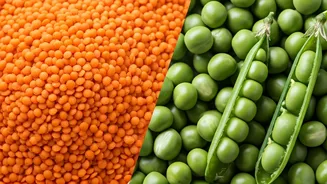
Lentils
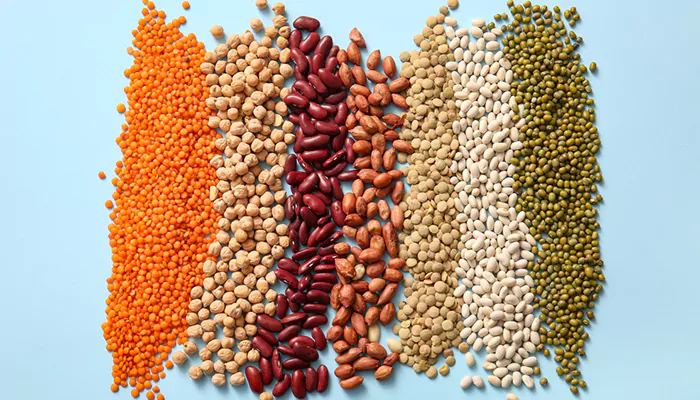
Popularly known as daal, it is as common as potatoes in the Indian household, as well as an important part of the cuisine. Lentils contain approximately 18 g of protein per cup, which makes them an excellent source of protein. Eat them as soup or with roti or rice. It also contains a good amount of fiber, which can help maintain healthy bacteria in the gut. Lentils are a common high-protein food, as well as high levels of antioxidants, essential nutrients such as iron and potassium, and minerals, which help protect the cells.
Legumes
Bean varieties such as kidney beans, black beans, chickpeas, and others are regarded as powerhouses of protein in the category of Legumes. Chickpeas have about 15 g of protein per serving and a variety of other nutrients and minerals that help the body stay healthy and strong. In fact, various studies have shown that eating legumes regularly can keep cholesterol levels in check. Put chickpeas and other legumes in salads or low-fat curries. Cooked chickpeas have approximately 7.25 g of protein per 12 cups. Hummus, made from chickpeas, is a great way of consuming vegetarian protein.
Nuts
Nuts are considered superfoods in today's time and time so start considering adding nuts to your daily plate of either breakfast or evening snack. Nuts like almonds and cashew nuts are high in protein and are always included in the protein foods veg list. A daily serving of 20 to 25 whole almonds provides approximately 6 grams of protein. A handful of mixed nuts daily can start providing the body with the protein it needs. In addition to that, nuts are also high in dietary fibre and vitamin E.
Quinoa
A high-protein grain, cooked quinoa is a powerhouse of 8 g of protein per cup. Other nutrients found in this grain include magnesium, iron, fibre, and manganese. It is also extremely adaptable. A healthy, low-fat, high-protein food, quinoa is ideal for diabetics. They are high in dietary fibre, which helps keep blood sugar levels in check. Quinoa could indeed be added to pasta in soups, and stews. It can be added to salads or eaten as a main course.
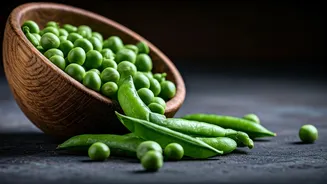
A few other protein sources are green peas, potatoes, tofu, and soy milk.