

Because seasonal eating was India’s first superpower!
Long before protein powders, immunity boosters, and “winter detox” teas entered our kitchens, Indian
households followed a simple rule eat what the season gives you. Our grandparents didn’t count calories or read nutrition labels, yet their winter meals were carefully chosen, deeply nourishing, and perfectly aligned with the body’s needs.
The Indian winter plate wasn’t about indulgence alone. It was functional food, designed to keep the body warm, strong, and disease-resistant during colder months. And science today is finally catching up with what tradition always knew.
Why Winter Food Was Different in Indian Homes
In Ayurveda, winter or Hemant and Shishir Ritu is when digestive fire (agni) is at its strongest. Cold weather allows the body to digest heavier, richer foods without discomfort. That’s why winter meals were:
- More calorie-dense
- Rich in healthy fats
- Packed with warming spices
This wasn’t overeating, it was strategic nourishment.
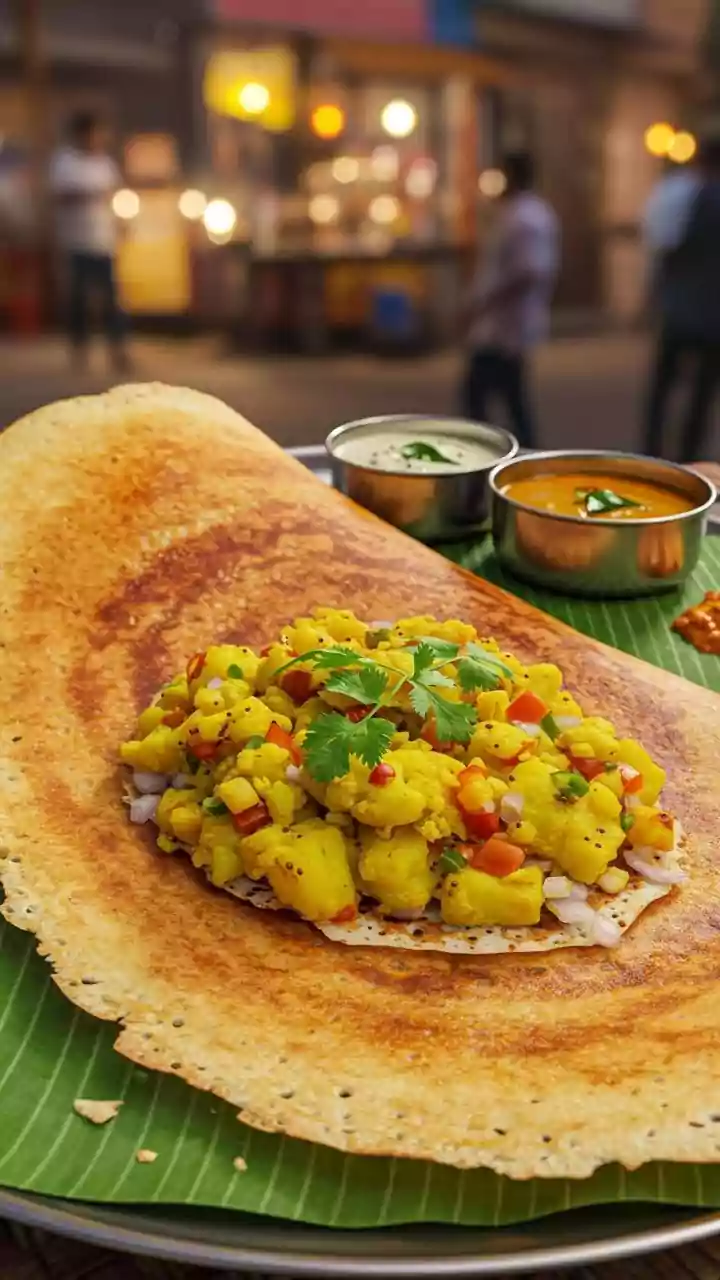
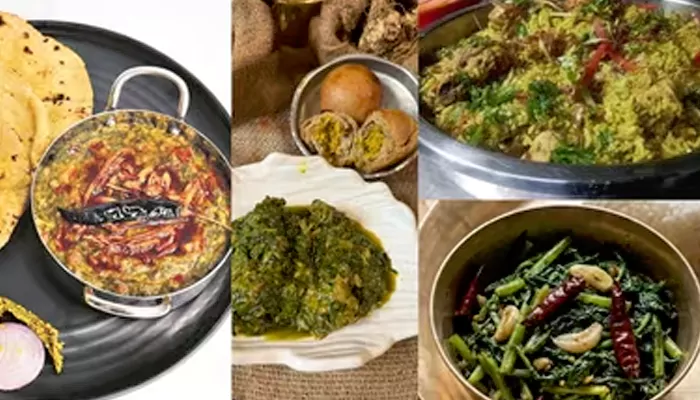
Sarson Ka Saag and Makki Ki Roti: A Seasonal Powerhouse
A winter staple in North India, sarson ka saag appears exactly when mustard greens are at their nutritional peak. Rich in:
- Iron
- Vitamin C
- Calcium
- Natural antioxidants
Paired with makki ki roti, which provides slow-releasing energy, this combination kept farmers warm and energised during long, cold workdays.
Grandparents didn’t eat this for taste alone, it supported immunity and stamina.
Ghee: The Winter Fat We Wrongly Feared
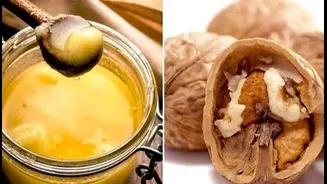
Desi ghee was generously used in winter cooking, and for good reason. Ghee:
- Improves digestion
- Keeps joints lubricated
- Provides long-lasting warmth
- Helps absorb fat-soluble vitamins
In cold weather, the body needs internal insulation, and ghee offered that naturally without inflammation.
Til (Sesame): Tiny Seeds, Massive Benefits
Winter sweets like til laddoos and til chikki weren’t festive accidents. Sesame seeds are:
- High in healthy fats
- Excellent for joint health
- Naturally warming
They also help counter dry skin and stiffness two common winter complaints.
That’s why Makar Sankranti traditions revolve around til-based foods across India.
Bajra, Jowar, and Ragi: Grains Built for Winter
Refined wheat may dominate modern kitchens, but grandparents relied heavily on millets during winter. Bajra rotis, in particular, were common because they:
- Generate body heat
- Keep hunger away longer
- Strengthen digestion
Millets provided sustained energy without blood sugar spikes, something modern diets struggle to manage.
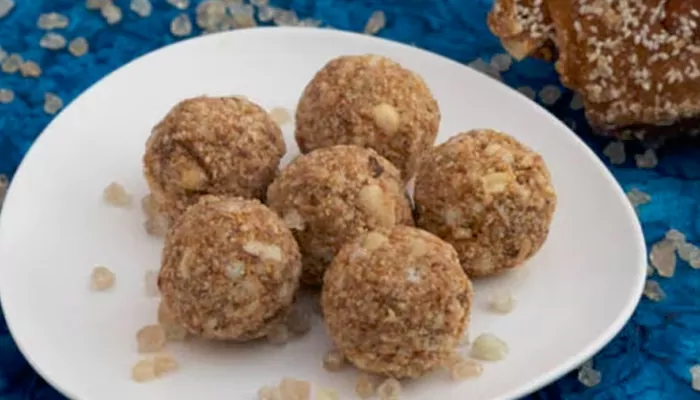
Gond Laddoos and Panjiri: Edible Warmth
In many Indian homes, especially in North and Central India, winter meant gond ke laddoo and panjiri. These foods were:
- Given to new mothers
- Eaten during peak winter
- Packed with nuts, ghee, and edible gum
They strengthened bones, improved circulation, and prevented cold-related fatigue.
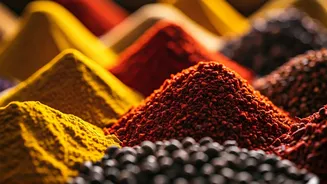
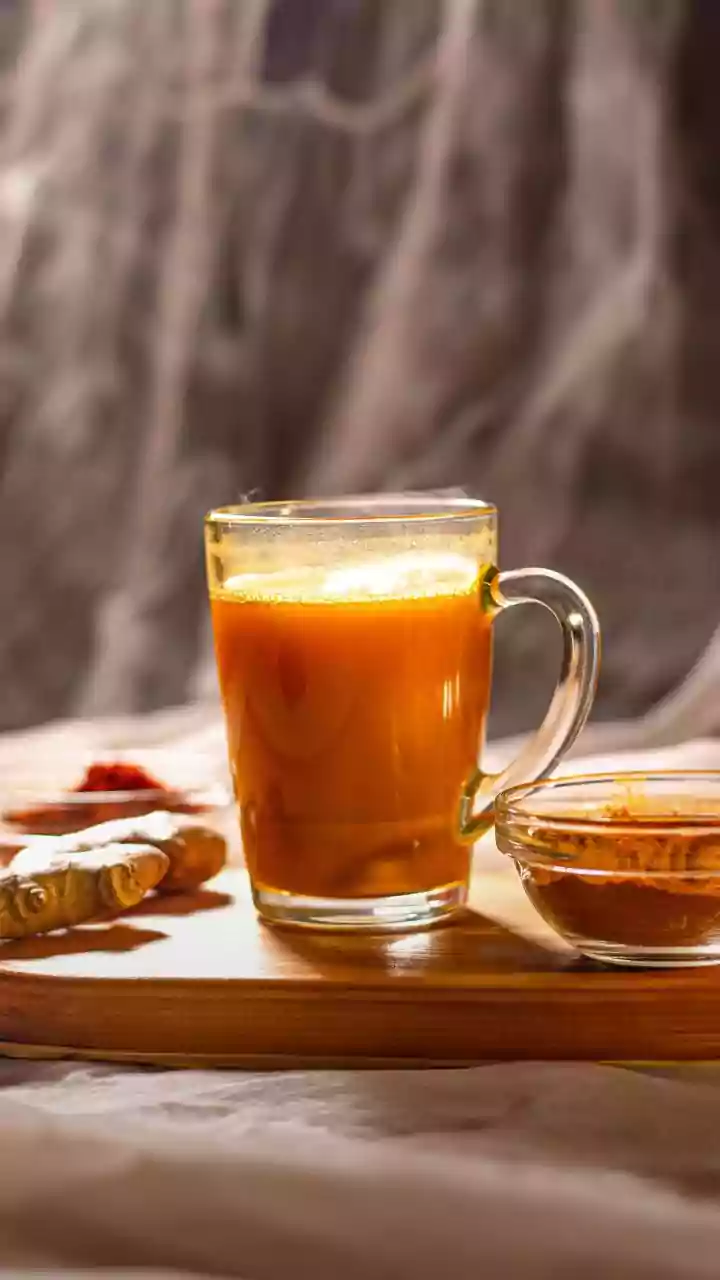
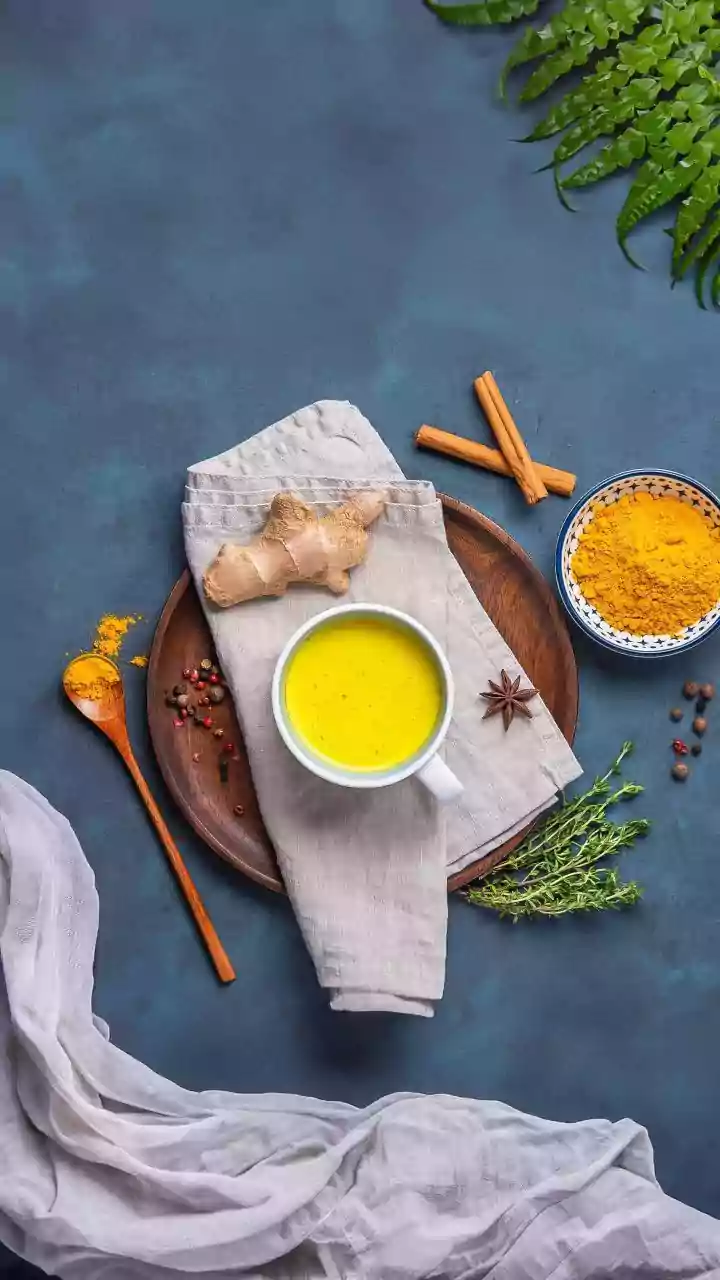
Warming Spices: Nature’s Internal Heater
Grandparents used spices not sparingly, but intentionally. Winter kitchens leaned heavily on:
- Ginger
- Garlic
- Black pepper
- Ajwain
- Haldi
These spices boost circulation, improve digestion, and fight infections making them ideal for winter meals.
What We Can Learn Today
Modern winters come with heaters, supplements, and online diet plans, but the body’s needs remain unchanged. By reconnecting with traditional winter foods, we can:
- Improve immunity naturally
- Reduce joint pain and fatigue
- Maintain steady energy levels
- Support gut health
The Indian winter plate wasn’t nostalgic, it was nutritionally intelligent.
Our grandparents didn’t follow trends; they followed seasonal wisdom. Every ingredient on their winter plate had a purpose to warm, protect, and nourish the body from within.
Maybe the real superfoods aren’t imported or packaged.
Maybe they’ve been sitting quietly in our kitchens all along.