








A weaker monsoon forecast may sound like a weather story. In India, it often becomes a story about food prices, household budgets, farms and the wider
economy.
Monsoon forecasts rarely make front-page conversation outside farming circles. This year feels different.
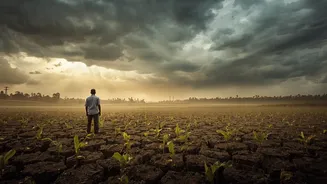
India could receive its weakest monsoon rainfall in more than a decade, according to the latest forecast cited by Reuters. The India Meteorological Department (IMD) now expects seasonal rainfall to reach around 90% of the long-period average, making it the weakest monsoon outlook since 2015. In a country where agriculture, food prices and water availability remain closely tied to rainfall, that number is attracting attention far beyond rural India.
Why Has The Forecast Changed?
Weather agencies point to a combination of factors, including evolving ocean temperatures and atmospheric conditions that influence rainfall patterns across South Asia. Forecasting monsoons is never straightforward. Tiny shifts in sea-surface temperatures can sometimes reshape weather outcomes thousands of kilometres away.
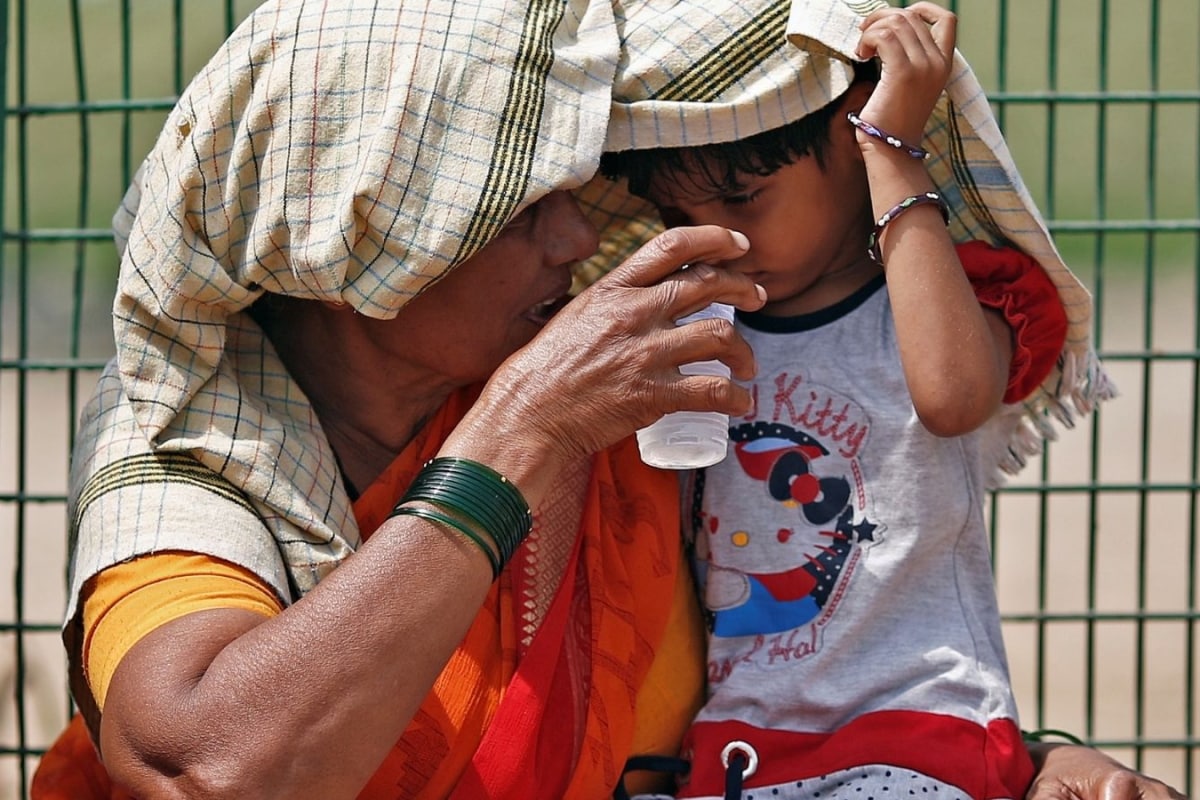
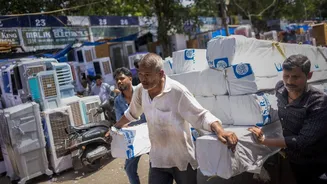
What makes this year notable is that the weaker forecast arrives after months of intense heat across large parts of the country. Reservoir levels, groundwater concerns and power demand have already been under pressure in several regions.
Why It Matters Beyond Farms
The first thought many people have is agriculture. Fair enough. A weaker monsoon can affect crops such as rice, pulses and oilseeds.
But the impact doesn't stop at farms.
Food inflation often becomes a concern when rainfall underperforms. Vegetables, cooking oils and other essentials can become more volatile in price if production or supply chains face disruptions. Rural spending patterns may also change, affecting sectors ranging from consumer goods to automobiles.
Investors are paying attention too. Weather forecasts increasingly influence expectations around inflation, interest rates and economic growth.
What Should People Watch?
At this stage, the forecast is not a final outcome. Monsoons can surprise forecasters, both positively and negatively.
Experts suggest paying attention to:
- Monthly rainfall updates
- Reservoir storage levels
- Crop sowing data
- Food-price trends over the next few months
For households, there is no immediate reason for alarm. The bigger story is how rainfall evolves through June, July and August rather than any single forecast issued in May.
What Happens Next?
Meteorologists will continue updating projections as the monsoon progresses. Policymakers, farmers and businesses will be watching closely because rainfall remains one of the most powerful forces shaping India's economic year.
A monsoon forecast may begin as weather news, but in India it quickly becomes a story about food, spending, agriculture and everyday life. The coming weeks will matter more than today's headline.