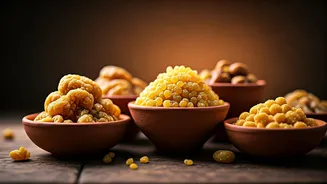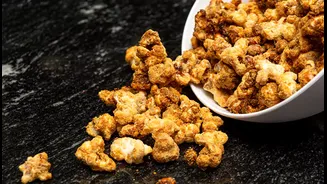





Ever wonder why popcorn pops? It’s all about pressure and starch. Learn how heat transforms a simple kernel into a fluffy snack.
Popcorn is a beloved snack
that has delighted people for centuries, whether at the movies, at home, or during festive occasions. The transformation of a small, hard kernel into a fluffy, crunchy snack is a fascinating process that involves chemistry at its core. But how exactly does popcorn pop? What makes it puff up and become the airy treat we enjoy? Let’s dive into the science behind popcorn popping and explore how the kernel's structure and the power of heat work together to create the perfect snack.
The Anatomy of a Popcorn Kernel
At the heart of popcorn’s popping process is the structure of the kernel itself. A popcorn kernel consists of three main components: the outer hull (pericarp), the starchy endosperm, and a small amount of water trapped inside the kernel. The outer hull is hard and moisture-resistant, which helps trap heat and pressure inside during the popping process.
The endosperm is primarily made up of starch, while the small amount of water inside the kernel is critical to the popping process. This moisture, usually around 13-14% of the kernel's weight, plays a key role in turning the kernel into the fluffy, airy snack we love.
The Role of Heat in the Popping Process
When you apply heat to the popcorn kernel, the water inside the kernel begins to heat up and turn into steam. As the temperature rises, the water vapor expands and starts to put pressure on the hard outer shell of the kernel. This pressure builds up as the temperature inside the kernel continues to increase. The starch in the endosperm also begins to soften and gelatinize, which will later play a role in the transformation of the kernel into the airy texture of popped popcorn.
The crucial temperature for popping popcorn is around 180°C (356°F). At this temperature, the water inside the kernel turns into steam, and the starch begins to break down into a gel-like substance. As the pressure inside the kernel reaches its peak, the hull can no longer withstand it. The kernel then explodes, causing the endosperm to rapidly expand and turn into the familiar popped shape.
The Explosion and Transformation
When the kernel finally bursts open, the rapid expansion of steam causes the starch to puff up and expand. This happens so quickly that the starch instantly forms the airy, crispy texture we associate with popcorn. The gelatinized starch cools and solidifies as it expands, creating the light, crunchy texture that makes popcorn so enjoyable.
The outer hull of the kernel, which was initially hard and moisture-resistant, bursts open and usually remains as a small fragment attached to the fluffy popcorn piece. This explosion of steam and starch is what gives popcorn its iconic shape and texture. The pressure inside the kernel is released so rapidly that the starch essentially "fluffs up," creating a larger volume from a small, hard kernel.
The Importance of Moisture Content
The moisture content of the popcorn kernel is essential for the popping process. If the kernel is too dry, there won't be enough steam to create the necessary pressure, and the kernel will not pop effectively. On the other hand, if the kernel has too much moisture, the pressure may build too slowly or unevenly, leading to an imperfect pop. This is why it’s important for popcorn kernels to have the right moisture content, typically between 13-14% by weight.
This moisture is trapped within the kernel by the tough outer hull, which is what allows the kernel to withstand the rising pressure as it heats up. Without the hull, the steam would escape gradually, and the kernel wouldn’t pop.
Why Some Kernels Don’t Pop
Not every kernel of popcorn will pop, and there’s a reason for that. The kernels that fail to pop are often referred to as "old maids" or "duds." There are a few factors that contribute to unpopped kernels:
Kernels that are too dry simply won’t generate enough steam to create the necessary pressure to pop. If the kernel is too dry, it simply won't burst open.
A popcorn kernel needs an intact, strong hull to build up pressure. If the hull is damaged or cracked, the steam will escape slowly, and the kernel won’t pop.
If the heat is not distributed evenly, some kernels may not reach the critical temperature required to pop. This is why using a popcorn machine or ensuring even heat distribution when popping popcorn is important for getting the most out of the kernels.
The Role of Oil in Popping Popcorn
In many methods of popping popcorn, such as stovetop or microwave popcorn, oil is used to heat the kernels. Oil serves several purposes. First, it helps distribute heat evenly across the kernels, ensuring that they all reach the appropriate temperature to pop. The oil also adds flavor and helps achieve that satisfying crispy texture. Additionally, the oil helps prevent the kernels from burning before they have a chance to pop.

Using oil also increases the amount of heat transferred to the kernels, as oil can reach higher temperatures than air alone. This is especially important when popping on a stovetop, where direct contact with hot oil can help ensure a successful pop.
The Fun of Popping Corn
The popping process is a fascinating demonstration of how heat, pressure, and moisture work together to transform a hard kernel into a fluffy, light snack. It’s not just the snack itself that is captivating—it’s the science behind it. The combination of water turning into steam, starch expanding, and the kernel’s outer shell bursting open all happens in a fraction of a second, creating the iconic popcorn shape we love.
From the kernel to the final snack, popcorn is a tasty example of how basic chemistry and physics can create something fun and delicious. Whether you’re popping it at home or enjoying it at the movies, the chemistry behind popcorn remains as intriguing as ever.