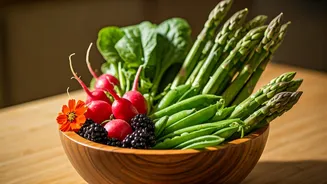








Eat with the Season: February’s Freshest Produce in India!
February in India is a beautiful transition month. The chill of winter begins to fade, spring
slowly steps in, and markets are bursting with colourful, fresh produce. If you’ve been enjoying heavy winter meals, this is the perfect time to lighten your plate, naturally.
Eating seasonal fruits and vegetables isn’t just traditional wisdom passed down by our grandparents. It’s also backed by modern nutrition science. Seasonal produce is fresher, richer in nutrients, more affordable, and better suited to your body’s needs.
So, what should you add to your shopping list this February? Let’s explore.
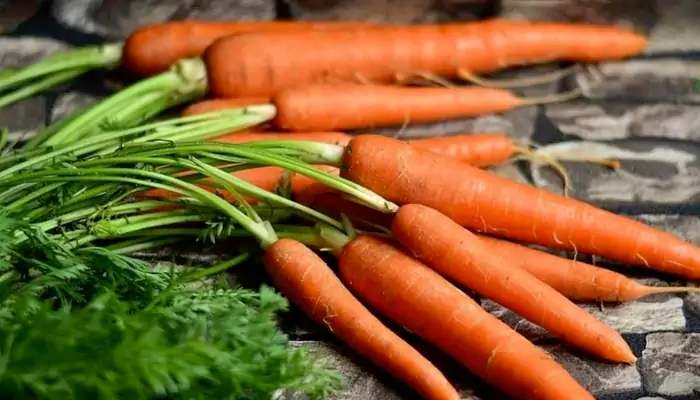
Carrots (Gajar)
February is still peak season for bright red Indian carrots. Sweet, crunchy, and loaded with beta-carotene, carrots support eye health, immunity, and glowing skin.
You can enjoy them as:
- Fresh carrot juice in the morning
- Grated in salads
- Lightly sautéed with peas
- Or even a small portion of homemade gajar ka halwa (in moderation!)
As temperatures begin to rise, carrots help provide hydration and essential antioxidants.
Oranges (Santra)
Citrus fruits thrive in February. Nagpur oranges and kinnows are widely available across India.
Rich in vitamin C, oranges help:
- Strengthen immunity
- Improve skin health
- Support digestion
With seasonal flu still lingering in some regions, citrus fruits are your natural defense.
Pro tip: Eat whole oranges instead of packaged juice to retain fiber benefits.
Spinach (Palak)
Leafy greens remain fresh and abundant in February. Spinach is packed with iron, folate, and antioxidants.
Instead of heavy creamy gravies, try:
- Light palak dal
- Palak paratha with minimal oil
- Spinach added to soups
It’s a gentle way to transition from winter-heavy meals to lighter dishes.
Strawberries
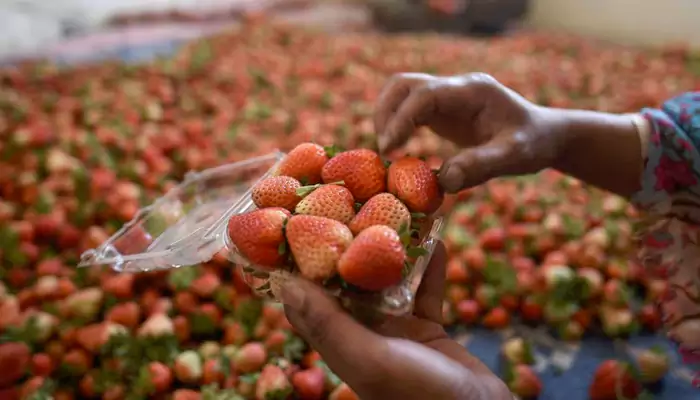
In many parts of India, especially Maharashtra, strawberries are at their sweetest in February.
They are rich in:
- Vitamin C
- Antioxidants
- Natural sweetness (without refined sugar)
Add them to yogurt, smoothies, or simply enjoy them fresh. They’re perfect for satisfying sweet cravings in a healthy way.
Cauliflower (Gobi)
Cauliflower continues to be fresh and affordable during this time. High in fiber and low in calories, it supports digestion as you shift toward lighter meals.
Try:
- Roasted gobi with mild spices
- Gobi peas sabzi
- Cauliflower rice as a healthier twist
It’s filling without being heavy.
Cucumber (Kheera)
As afternoons grow warmer, hydration becomes important. February marks the beginning of cucumber season in many regions.
Cucumber:
- Keeps the body cool
- Aids digestion
- Supports skin health
Add sliced cucumber to salads or enjoy it with a sprinkle of rock salt and chaat masala.
Tomatoes
Fresh, juicy tomatoes are widely available in February. They’re rich in lycopene and vitamin C.
Use them in:
- Light tomato soups
- Fresh chutneys
- Tangy salads
Their natural tanginess adds flavour without extra calories.
Green Peas (Matar)
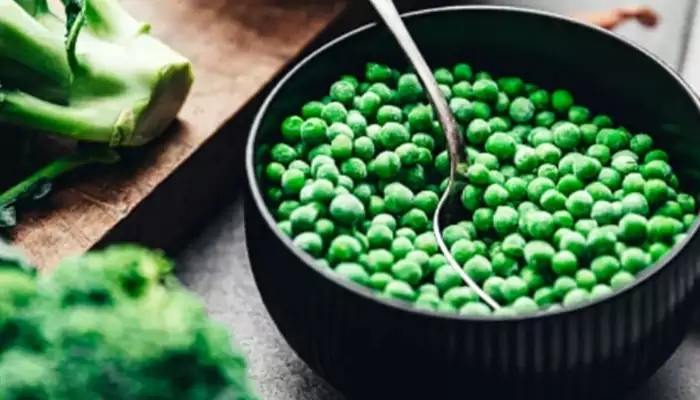
February is the last call for sweet, fresh green peas before the season ends.
Peas are a good source of:
- Plant-based protein
- Fiber
- B vitamins
Add them to poha, pulao, or simple sabzis for extra nutrition.
Why Seasonal Eating Matters
Eating seasonal produce aligns your diet with the climate.
In winter, the body craves warmth and energy-dense foods. As February signals a shift, your body benefits from lighter, water-rich, fiber-filled options.
Seasonal fruits and vegetables are:
- Fresher and tastier
- Free from excessive storage chemicals
- More affordable
- Nutritionally optimal
Plus, buying seasonal supports local farmers, a win-win for health and community.
How to Make the Transition Smooth
Instead of drastic diet changes:
- Gradually reduce heavy fried foods
- Increase fresh salads and fruits
- Stay hydrated
- Choose lightly cooked meals over rich gravies
Your body adapts better when changes are slow and balanced.
February is nature’s gentle reminder to refresh your eating habits. Markets are colourful, produce is fresh, and your body is ready for lighter nourishment.
So next time you visit your local sabzi mandi, fill your basket with what the season offers. Eating seasonal isn’t a trend, it’s timeless Indian wisdom that keeps you healthy, energized, and in sync with nature.
Let your plate reflect the season, and your body will thank you.