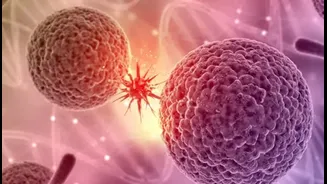



The new science reveals cancer is far more complex than we once believed!
For years, cancer in India has been largely branded as a “lifestyle disease.”
The narrative is familiar, quit smoking, eat healthy, exercise more, and you’ll be safe. While lifestyle choices do play a significant role, science is now telling us a more uncomfortable truth: cancer is no longer just about bad habits.
Across India, oncologists are seeing a worrying trend. Patients who have never smoked, rarely drink, and follow balanced diets are being diagnosed with cancer. The reason? A powerful mix of genetics, environmental pollution, and chronic stress, factors often beyond individual control are quietly reshaping cancer risk in the modern age.
Genetics: The Risk You’re Born With
Not all cancers start with lifestyle choices; some begin in our DNA.
Genetic mutations passed down through families can significantly increase cancer risk. Conditions like hereditary breast and ovarian cancer (linked to BRCA gene mutations) or certain colorectal cancers are no longer rare discussions limited to medical textbooks. Indian families, especially those with a history of cancer, are now being encouraged to explore genetic counselling and early screening.
What’s alarming is that many Indians still believe, “It won’t happen to me.” But genetics doesn’t care about optimism. Even with a healthy lifestyle, inherited mutations can silently raise the risk, making early detection, not denial, it's critical.
Pollution: The Invisible Enemy in the Air
If genetics loads the gun, pollution often pulls the trigger.
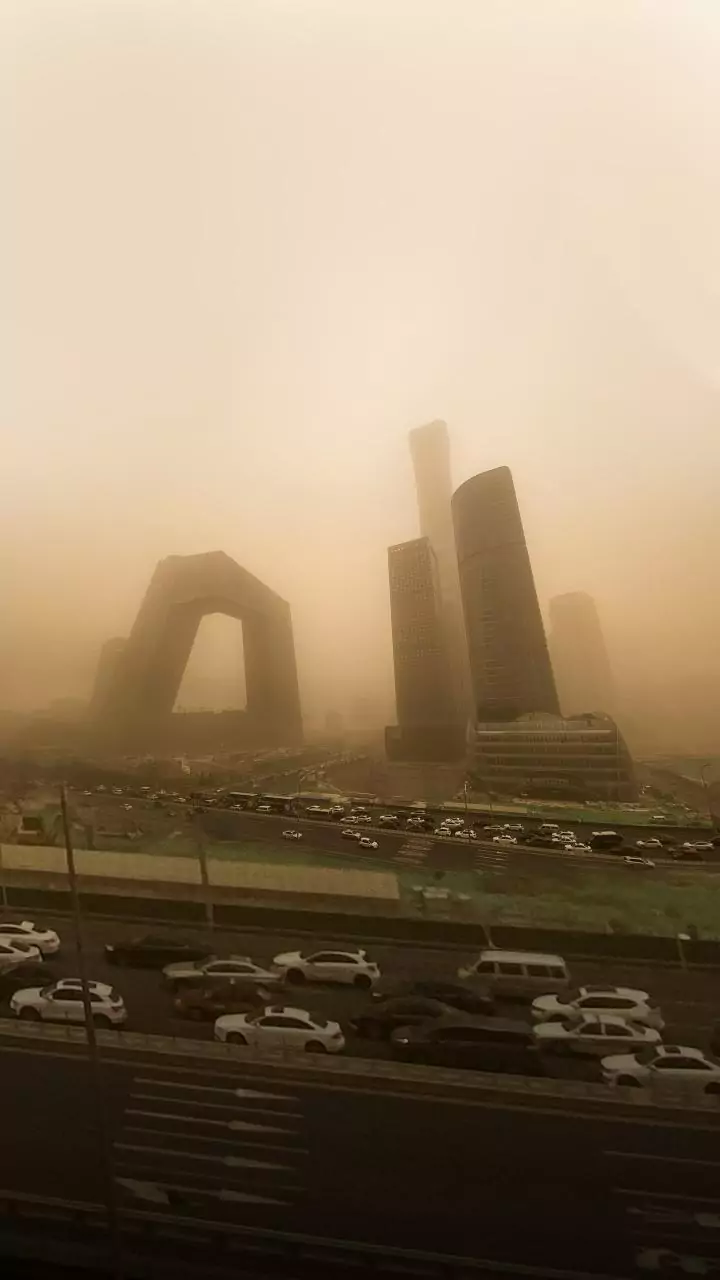
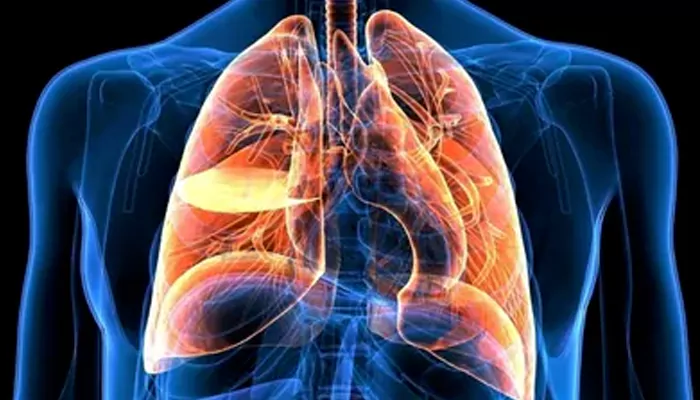
India’s air pollution crisis is no longer just about coughing or watery eyes. Long-term exposure to PM2.5 particles, vehicle emissions, industrial toxins, and contaminated water has been strongly linked to cancers of the lung, bladder, skin, and even blood.
Urban residents are particularly vulnerable. Living near busy roads, construction sites, or industrial zones means daily exposure to carcinogens, often without realising it. Even rural areas aren’t immune, with pesticide-heavy farming and poor waste disposal adding to the problem.
Unlike smoking or alcohol, pollution is a shared risk. You don’t choose it, but you breathe it anyway.
Stress: The Silent Accelerator
Stress doesn’t directly “cause” cancer, but it can create the perfect environment for it to grow.
Chronic stress affects immunity, disrupts hormones, increases inflammation, and often leads to poor sleep and unhealthy coping habits. In India’s fast-paced urban culture, marked by long work hours, financial pressure, digital overload, and limited downtime, stress has become normalised.
Doctors now recognise that prolonged stress may accelerate cancer progression, weaken the body’s ability to repair damaged cells, and delay diagnosis because people ignore symptoms, assuming fatigue or pain is “just stress.”
In short, stress may not be the spark, but it certainly fuels the fire.

Why the “Lifestyle Disease” Label Is Misleading
Calling cancer a lifestyle disease oversimplifies a deeply complex condition and worse, it places unfair blame on patients.
Yes, tobacco, alcohol, obesity, and poor diet remain major risk factors. But the growing influence of non-lifestyle triggers means prevention strategies must expand beyond personal discipline. Public health policies, cleaner environments, mental health support, and accessible screening are now just as crucial as diet charts and gym memberships.
This shift also explains why cancer cases are rising among younger Indians, people who seemingly “did everything right.”
What Indians Can Do Right Now
While not all risks are controllable, awareness is empowering.
- Know your family history and discuss genetic screening if needed
- Take pollution seriously, use air purifiers, masks when required, and support clean-air initiatives
- Manage stress proactively through sleep, therapy, mindfulness, or physical activity
- Don’t ignore persistent symptoms, no matter how minor they seem
Opt for regular health check-ups, especially after 30
The Bigger Picture
Cancer in India is no longer a simple story of bad habits and better choices. It’s a reflection of how we live, what we inherit, and the environment we exist in. Understanding this shift doesn’t create fear, it creates clarity.
The more we move beyond outdated labels, the closer we get to early detection, compassionate care, and smarter prevention. Because when it comes to cancer, knowledge isn’t just power, it can be life-saving.