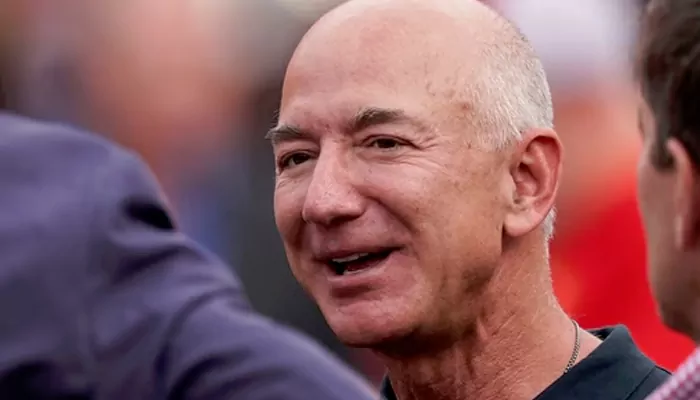

Every year on Jeff Bezos’s birthday, business leaders, innovators, and aspirers around the world reflect on one common question: How did a young Wall Street
worker build Amazon from a humble online bookstore and then take his ambitions into space? The answer lies in his long-term mindset, a strategy that spans decades, not quarters. Bezos’s journey from selling books online to launching rockets isn’t just a biography; it’s a master class in patience, vision, and strategic thinking. For young Indians building startups or scaling careers, his story offers powerful lessons about playing the “long game.”
From Garage Startup to Global Commerce Giant
In 1994, Jeff Bezos founded what would become Amazon, initially an online bookstore named Cadabra recognising early that the internet would transform global commerce. With a modest investment and a belief in digital shopping long before e-commerce became mainstream, Bezos began offering a wide selection of titles online. His bold idea was simple: make shopping easy, vast, and convenient for the customer. From those humble beginnings, Amazon expanded into selling almost every product imaginable, including electronics, apparel, groceries, digital media, and cloud services.
Bezos’s mindset wasn’t limited to fast profits. Instead, he reinvested earnings into technology, logistics, global delivery networks, and innovations like Amazon Prime. His philosophy “we are stubborn on vision, flexible on details” kept Amazon focused on long-term growth, even when short-term results disappointed investors or critics.
The Long-Term Vision: Thinking Beyond Immediate Results
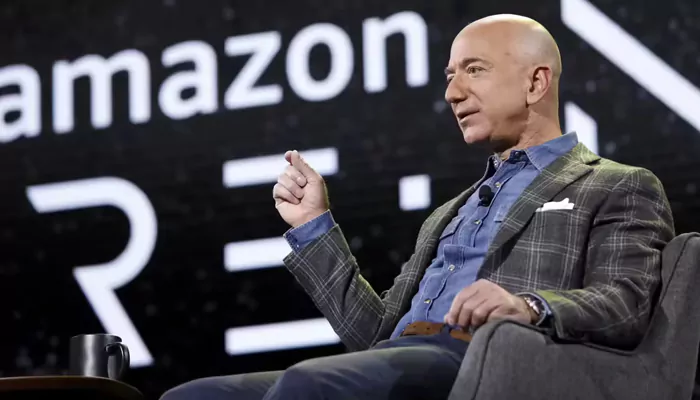
What separates Bezos from many entrepreneurs is his willingness to defer short-term gratification for future scale. While competing companies watched quarterly earnings, Bezos built infrastructure that positioned Amazon as a global leader. He famously embraced the idea that significant achievements take time, sometimes decades to mature. This mindset translated into major strategic moves like building Amazon Web Services (AWS), which today is a major revenue driver, and expanding into entertainment, groceries, and digital services.
His approach offers a crucial lesson for Indian professionals and founders: real transformation is rarely instant, it’s intentional and long-term.
The Space Dream: Blue Origin and Human Expansion
Bezos’s childhood fascination with space never faded, even as he built Amazon into one of the world’s most valuable companies. In 2000, he founded Blue Origin, a private aerospace company with an ambitious mission: to lower the cost of space travel and enable millions of people to live and work beyond Earth.
Blue Origin’s motto, Gradatim Ferociter (Latin for “Step by Step, Ferociously”), encapsulates Bezos’s belief in disciplined progress. Initially shrouded in secrecy, the company focused on developing reusable rocket technology, including the New Shepard and the larger New Glenn vehicles. The company’s founders believed that making space more accessible would require patient engineering and sustained investment, not mere hype.
In recent years, Blue Origin has successfully launched commercial space flights including missions that have taken civilians, such as an 80-year-old Indian businessman on short suborbital journeys. These milestones reflect incremental progress toward Bezos’s broader vision of expanding human presence in space.

Lessons in Persistence and Innovation
For the Indian audience, whether you’re dreaming of building the next unicorn startup or aiming for leadership in your field, Bezos’s story offers three enduring lessons:
Think Long, Act Regularly
Bezos once explained that many problems impossible to solve short-term become solvable with long-term commitment. This philosophy applies equally to building businesses, careers, or personal goals.
Invest in Fundamentals
Whether it’s customer experience at Amazon or rocket engineering at Blue Origin, focusing on solid fundamentals, even when results aren’t immediate, pays off in the long run.
Adapt & Innovate Without Losing Sight of Vision
Even as technologies evolve, Bezos consistently reinvested in future-oriented projects, from satellite internet (Amazon Leo) to AI ventures, while staying committed to his underlying mission.
What You Can Apply Today
Here’s how you can adopt Bezos’s long-term thinking in your own life:
- Set multi-year goals rather than month-to-month targets.
- Embrace learning and experimentation failures are part of progress.
- Prioritise discipline over speed, slow, steady progress outlasts rushed decisions.
- Stay customer-centric, understanding needs builds trust and loyalty.
On Jeff Bezos’s birthday, it’s worth celebrating not just his wealth or success, but his unwavering belief in long-term strategy. From selling books online to building rockets that fly toward space, his journey teaches a timeless truth: big dreams require patience, persistence, and strategic boldness.
Whether you’re an Indian student aiming for NASA or a founder building an app, the Bezos long game reminds us that lasting impact doesn’t come from overnight wins, it comes from decades of resilience, innovation, and belief in a future only you can imagine.