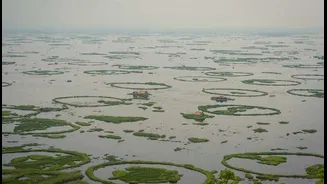









For naturalists circuit, Manipur holds a special place for Loktak Lake and its many unique floating islands.
Manipur – the land of jewel -- is home to many
national and international athletes. It's the birth place of the game Polo.
Lifeline of Manipur
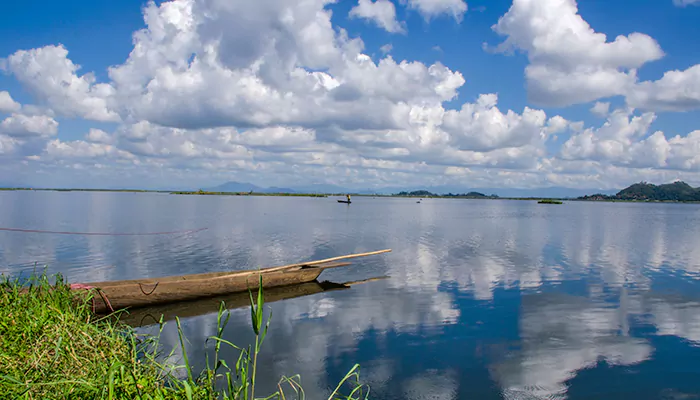
If you ever happen to be in Imphal the bustling capital city of Manipur, you will find that a massive water body dominates the life and landscape around it. It is the Loktak lake – the largest freshwater lake in northeast India. The lake is often referred to as the lifeline of Manipur and rightly so. It provides vital fresh water for drinking and irrigation.
Phumdis
What sets the Loktak Lake apart from all the other fresh water lakes in the world are its floating islands locally known as phumdis.These are circular islands made up of soil and decaying organic matter held together by vegetation. Much like icebergs, most of phumdi's mass is underwater and they float along the flows of the massive lake. During dry season, when the water level drops, these phumdis reach the lakebed and absorb nutrients for the vegetation growing on it.
Floating National Park
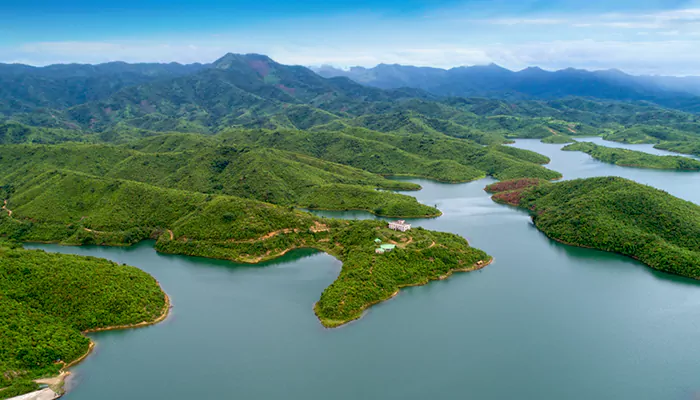
These small floating islands in Loktak Lake support more than 200 different aquatic plants. More than 400 species of animals big and small, calls these phumdis their home. The list of animals includes the rare Indian python and the endangered brow-antlered sangai or the 'dancing deer'. The brow-antlered sangai were once thought be have gone extinct but when it was discovered that they were living in these floating islands and have well adapted themselves to the island's spongy grounds, an area of forty square kilometer was created to preserve the species. This made the Keibul Lamjao national park the only floating national park in the world.
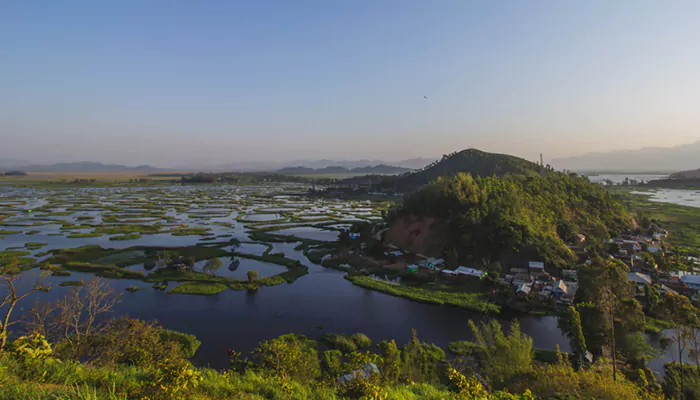
It's not just wild animals that call these islands in Loktak Lake their home. Many people also have made small homes in these phumdis. In fact there is also a school for kids as well as illiterate adults in one of the floating islands.
Uncertain Future
After the construction of the Ithai Dam south of Loktak Lake during the 1980s, ithas caused water levels to remain high year-round, preventing the phumdis from sinking and reaching the lakebed for nutrients. As a result, the phumdis are slowly thinning and breaking apart. Infestation of the lake by water hyacinth too has substantially impeded water circulation and caused an increase in siltation.