
Music therapy is a widely used treatment for various health disorders.
Music therapy has been used as a therapeutic healing process for centuries worldwide.
This is the clinical use of music to improve a group or individual's physical, psychological, and social well-being. It involves various activities such as listening to some soulful melodies, writing songs, playing an instrument, moving to the beat of the music, and more.
In a session, the therapist creates the environment and uses a variety of techniques to incorporate a sense of rhythm in the client’s mind. As per several research studies, music therapy provides a wide range of benefits to human health.
Improves mood
Music therapy is one of the most effective ways to reduce stress, anxiety, and even emotional instability. It promotes the production of dopamine hormones and restricts the release of cortisol hormones in your brain, both of which make you feel happy.

Boosts cognitive skills
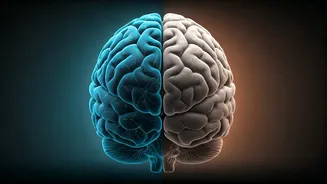
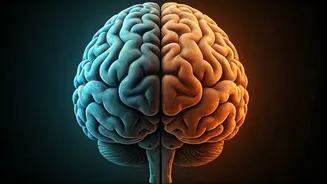
When you listen to music, the repetitive elements of the rhythm improve your brain’s ability to memorize things. Also, it develops the overall brain functions and improves your focus, concentration, and more. It’s scientifically proven that a regular session of music therapy is beneficial to treat issues like dementia and Alzheimer’s disease.
Promotes heart health
Music supports flow more smoothly throughout the body, which is very beneficial for your overall heart health. It lowers your respiratory rate and BP levels, both of which further result in protecting your heart from various disorders.
Eases pain
This therapy promotes the supply throughout the body, which helps relieve various kinds of body pain. Also, it provides a rival stimulus to the pain signals, which further aids in the management of pain.
Improves sleep
As this reduces stress and eases body pain, it’s quite obvious that a session of music therapy would improve your sleep pattern. It relaxes your nerves and promotes the release of sleep hormones in your body, thus contributing to uninterrupted sleep at night.
Treats autism
In several studies, music therapy has shown positive results in autistic patients. It treats autism by improving social communication, attention, and interaction skills. Also, in some cases, this therapy has contributed to some improvement in speech disorders.
Apart from these, music therapy also reduces fatigue, eases chest pain, relieves chronic headaches, treats an upset stomach, etc.