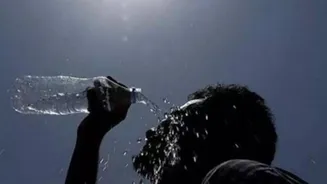






As heatwaves continue to affect several parts of India, many people say they are feeling unusually tired during the day. Even simple daily activities now
feel more exhausting in extreme temperatures, especially during the afternoon when heat levels peak.
Amid this growing summer fatigue, health experts are increasingly talking about the benefits of short afternoon naps, often called “power naps”, as a way to help the body recover during intense heat.
What was once seen as laziness or a weekend luxury is now being viewed by many people as a practical way to cope with exhausting summer conditions.
Why Heatwaves Make People Feel More Exhausted
Extreme heat affects the body in more ways than people realize. Experts say high temperatures force the body to work harder to maintain a normal internal temperature. This process can lead to:
- faster dehydration
- lower energy levels
- poor concentration
- mental fatigue
At the same time, hot nights often disturb sleep quality, leaving people tired even after waking up. As a result, many people now experience exhaustion much earlier in the day, especially during long heatwave periods.
Why Short Afternoon Naps Are Gaining Attention
Health experts say short naps of around 15–30 minutes may help the body recover from heat-related fatigue.
These naps are believed to:
- reduce tiredness
- improve alertness
- support mental focus
- help the body relax during peak heat hours
Unlike long daytime sleep, short naps usually do not leave people feeling heavy or disoriented afterward. Many experts suggest that resting briefly during the hottest part of the day may help reduce physical stress caused by extreme temperatures.
Heatwaves Are Quietly Changing Daily Routines
Across many households, summer routines are already shifting because of rising temperatures.
People are:
- avoiding outdoor work in the afternoon
- changing meal timings
- staying indoors during peak heat
- reducing physical activity during daytime hours
Short naps are slowly becoming part of this larger adaptation to extreme weather.
For many people working from home or following flexible schedules, a brief afternoon rest now feels less like a luxury and more like a practical coping habit.
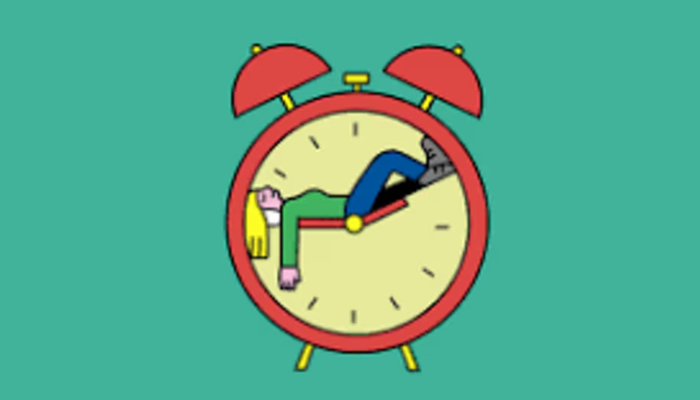
Social Media Is Making “Rest Culture” More Acceptable
Interestingly, social media has also played a role in changing attitudes toward naps and rest.
Content around:
- burnout recovery
- summer fatigue
- healthy productivity habits
has become increasingly popular online.
Many younger users now openly discuss the importance of rest and recovery, especially during stressful weather conditions. As heatwaves become more intense, conversations around listening to the body and slowing down during extreme heat are becoming more common.
Experts Say Rest Is Part of Heatwave Protection
Doctors stress that heatwaves affect both physical and mental well-being. Continuous exposure to high temperatures without enough hydration or rest may increase the risk of: fatigue, headaches, irritability, and heat-related illness.
This is why experts say recovery habits matter during summer. Along with drinking enough fluids and avoiding excessive sun exposure, proper rest can help the body manage heat stress more effectively.
Afternoon Fatigue Is Becoming a Shared Summer Experience
One reason this topic resonates widely is because so many people now relate to it. Across cities experiencing intense heat, people commonly say:
- “I feel sleepy all the time”
- “Even AC rooms feel tiring”
- “Energy disappears by afternoon"
These experiences reflect how prolonged heatwaves are influencing everyday life beyond just outdoor discomfort.
Closing Note: A Small Habit Offering Relief in Extreme Heat
The growing popularity of short afternoon naps shows how people are adjusting their lifestyles around rising temperatures. In a season where exhaustion arrives earlier and heat lingers longer, even small recovery habits are becoming important.
For many people, a quick afternoon nap is no longer simply about rest, it is becoming part of surviving summer more comfortably.