
What’s the one thing guests can’t resist at an Indian wedding? Is it the glittering decor, the energetic dancing, or perhaps the lavish feast? While all
of these are central to the celebration, there’s one element that truly encapsulates the essence of Indian weddings; sweets.
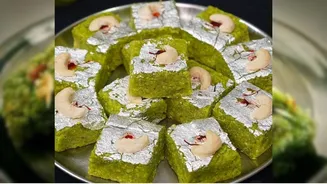
From the moment wedding invitations are distributed to the final farewell, desserts play a pivotal role in marking every milestone of the journey. Why are sweets so deeply intertwined with Indian wedding traditions? What makes a box of laddoos or a tray of kalakand more than just a culinary indulgence? These sugary delights aren’t merely about taste, they carry symbolism, emotion, and a legacy of centuries-old customs. Let’s explore how sweets create magic in Indian weddings.
Sweets as the Language of Celebration
In Indian culture, sweets symbolize auspiciousness, prosperity, and joy. Weddings, being one of the most cherished life events, naturally call for an abundance of mithai. Every region in India has its signature wedding sweets, each with a story to tell. From the decadent richness of ghee-soaked laddoos in the north to the melt-in-the-mouth sandesh of Bengal, sweets are deeply rooted in tradition and local flavours.
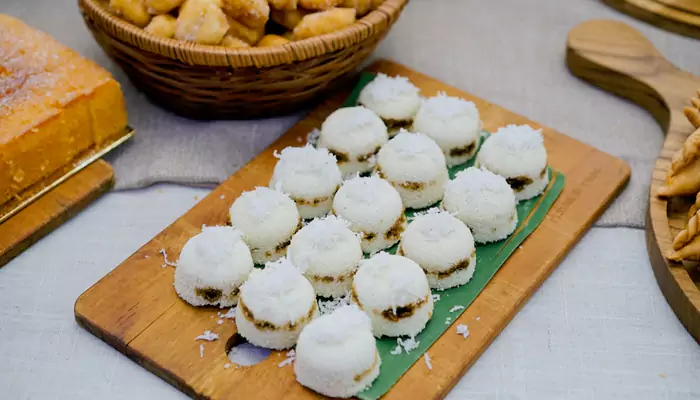
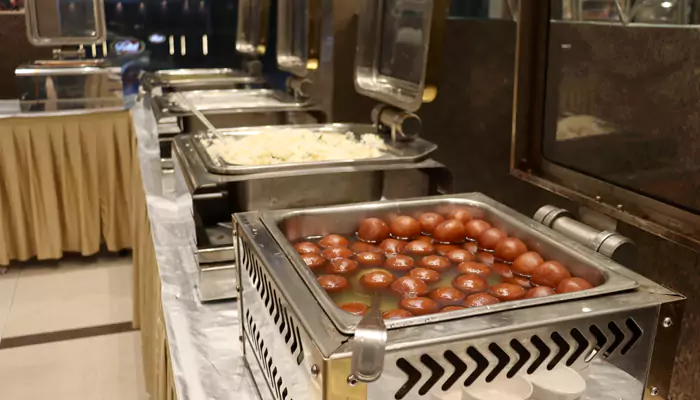
The distribution of sweets begins even before the wedding. Families exchange beautifully packaged boxes of mithai with relatives and friends to announce the good news, turning every piece into a token of happiness. During the wedding festivities, sweets often take center stage at dessert counters, with elaborate displays showcasing traditional favourites alongside modern creations.
The Ritualistic Connection of Sweets
Sweets aren’t just about indulgence; they hold profound spiritual significance. In Hindu weddings, for instance, mithai is often offered to deities during rituals to invoke blessings for the couple’s future. A common tradition involves the bride and groom feeding each other sweets as their first act of unity, signifying love and a sweet beginning to their married life.
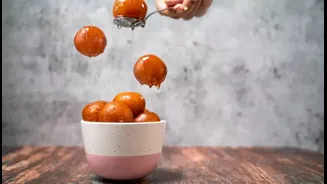
Regional customs add unique flavours to the ritualistic use of sweets. In South India, desserts like payasam and Mysore pak are an integral part of wedding feasts, served on banana leaves to signify purity and prosperity. In the north, kaju katli and gulab jamun often make an appearance during ceremonies, blending their rich sweetness with the grandeur of the occasion.
A Culinary Wedding Journey Through Mithai
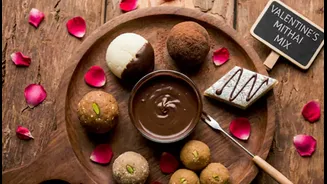
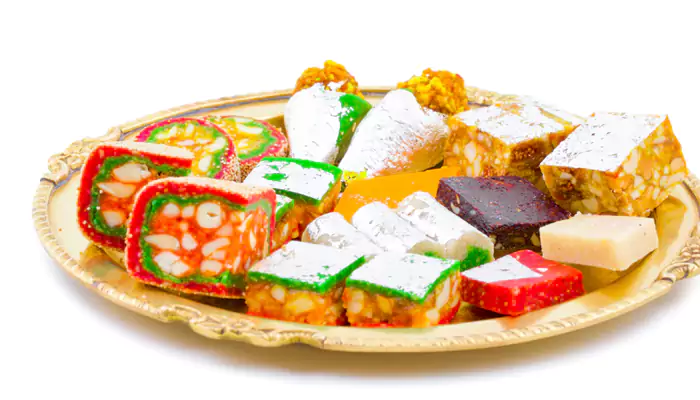
Indian weddings are a feast for the senses, and the dessert spread is nothing short of spectacular. Traditional sweets like laddoos, jalebis, and peda remain timeless favourites, their recipes often passed down through generations. These classics evoke a sense of nostalgia, reminding families of their shared heritage and culinary traditions.
However, modern weddings are embracing innovation in the dessert department. Fusion sweets, such as chocolate-filled gulab jamuns or rasmalai cheesecakes, are becoming popular, offering a contemporary twist to age-old recipes. Couples today are curating dessert menus that blend tradition with modernity, ensuring every guest finds something to relish.
Live dessert stations are another trend, where chefs prepare fresh jalebis, malpua, or kulfi in front of guests, adding an interactive element to the experience. This fusion of spectacle and flavour ensures that sweets remain a memorable highlight of the wedding feast.
Sweet as Tokens of Gratitude
Beyond rituals and feasts, sweets also play a key role in expressing gratitude. It’s customary to gift guests boxes of mithai as a token of thanks for their presence. These boxes are often exquisitely designed, filled with an assortment of traditional sweets and artisanal treats, reflecting the family’s hospitality and love.
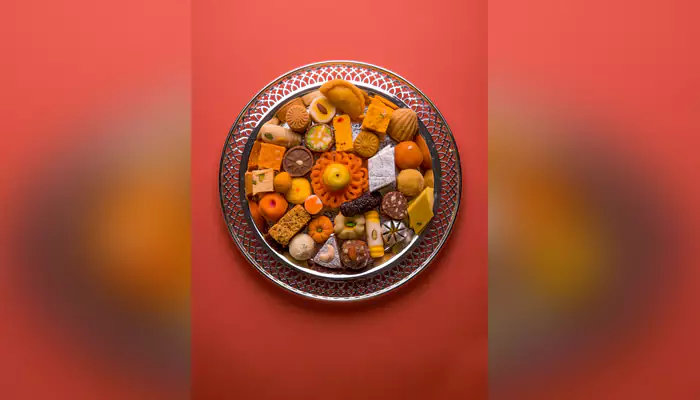
As wedding scenes continue to change, sweets remain an eternal constant, a reminder that amidst all the grandeur, it’s the little things, like a piece of mithai, that truly bring people together. After all, what better way to celebrate love than with a touch of sweetness?