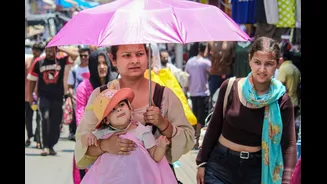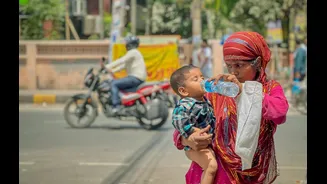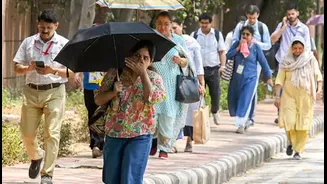









Summer heat is no longer causing only tiredness and dehydration. Doctors are now warning that extreme heatwaves may also be affecting lung health and breathing
patterns, especially in cities facing rising temperatures and pollution levels.
According to health experts, prolonged exposure to intense heat can worsen respiratory discomfort, trigger breathing difficulties, and increase stress on people already dealing with asthma, allergies, or weak lungs.
For many people, symptoms such as breathlessness, chest discomfort, fatigue, or constant tiredness during summer may not simply be due to exhaustion alone.
Why Extreme Heat Can Affect Breathing
Doctors explain that high temperatures place additional stress on the body’s respiratory system. During heatwaves:
- air quality often worsens
- pollution and dust remain trapped longer
This can irritate airways and make breathing feel heavier, especially in crowded urban areas. Hot air can also increase dehydration, which may affect the body’s ability to regulate breathing comfortably.
Experts say some people begin breathing faster during intense heat, which may lead to:
- chest discomfort
- feelings of breathlessness or fatigue
even without heavy physical activity.
People With Asthma and Allergies Face Higher Risk
Respiratory specialists say individuals already dealing with lung-related conditions are more vulnerable during heatwaves. This includes people with:
- asthma and sinus issues
- chronic allergies or respiratory sensitivity
Extreme heat combined with pollution can worsen airway irritation and trigger symptoms more frequently. Doctors say elderly individuals and young children may also struggle more during prolonged hot weather because their bodies adjust to temperature changes less efficiently.

Why Cities Often Feel Worse During Heatwaves
Urban areas usually experience stronger heat stress because of:
- traffic pollution
- concrete-heavy surroundings that trap heat
Experts say this “urban heat effect” can increase discomfort even after sunset. In many cities, people are exposed not only to high temperatures but also to:
- smoke and dust particles
- dry air from excessive air-conditioner usage
All these factors together may increase respiratory irritation.
Indoor Heat Exposure Can Also Become a Problem
Many people assume staying indoors completely protects them from heat-related breathing issues. However, doctors say poorly ventilated rooms, dry indoor air, and continuous AC exposure can sometimes:
- dry out nasal passages
- worsen throat and breathing discomfort
Heatwaves are also affecting sleep quality, which indirectly impacts breathing recovery and overall energy levels.
Simple Ways Doctors Recommend Protecting Lung Health
Health experts advise people to take summer breathing discomfort seriously rather than ignoring symptoms. Doctors recommend:
- staying hydrated throughout the day
- avoiding outdoor activity during peak afternoon heat
They also suggest:
- wearing masks in dusty environments
- keeping indoor spaces ventilated whenever possible
People with asthma or existing lung conditions should continue medications regularly and avoid missing inhalers during extreme weather periods.
When Breathlessness Should Not Be Ignored
Doctors say occasional tiredness during summer is common, but persistent symptoms deserve attention. People should seek medical advice if they experience:
- frequent chest tightness
- unusual breathing difficulty or dizziness
Experts warn that delaying treatment during heatwaves can sometimes worsen respiratory complications.
Closing Note: Heatwaves Are Affecting More Than Comfort
Extreme summer temperatures are increasingly becoming a broader health issue rather than just a seasonal inconvenience. For many people, breathing discomfort, fatigue, and chest irritation may now be silent signs of how heatwaves are affecting the body internally.
Doctors say awareness is becoming more important as climate conditions continue changing. Staying cool is no longer only about comfort, it may also be essential for protecting lung health and overall well-being.