








From Sehri to Iftar: How Fasting Transforms Your Body!
Ramadan is a deeply spiritual month observed by millions across India and the world. From the pre-dawn
sehri to the evening iftar, fasting during Ramadan is often seen as a test of patience and devotion. But beyond faith, something fascinating is happening inside your body.
Ever wondered what actually occurs between those long hours without food and water? Let’s break down the science behind hunger, healing, and hormones during Ramadan fasting.
The First Few Hours: Glucose Takes the Lead
After sehri, your body begins by using the glucose (sugar) from your last meal as its primary energy source. This stage typically lasts for the first 6–8 hours.
Your insulin levels gradually fall, and your body starts preparing for the next phase. You may feel energetic initially, especially if your sehri included complex carbohydrates like oats, whole wheat roti, or fruits.
The Hunger Hormone Kicks In
As the day progresses, you might start feeling hungry. That’s ghrelin at work, the hormone responsible for stimulating appetite. Interestingly, ghrelin follows a pattern. If you consistently fast at the same time daily, your body adjusts, and hunger signals may reduce after a few days.
That’s why many people say, “The first few days are the toughest.”
Switching to Fat for Fuel
After about 12 hours without food, your body shifts gears. Glycogen (stored glucose) in the liver starts running low. To maintain energy, the body begins breaking down stored fat into fatty acids and ketones.
This process is called fat oxidation. It’s the same mechanism activated in intermittent fasting. When done safely, it can help improve metabolic flexibility and support weight regulation.
However, the quality of iftar and sehri meals plays a huge role. Overeating fried or sugary foods can reverse these benefits.
Hormonal Changes: Insulin & Growth Hormone
Ramadan fasting leads to lower insulin levels throughout the day. Lower insulin allows the body to access stored fat more efficiently.
At the same time, human growth hormone (HGH) levels may increase. HGH supports muscle preservation and fat metabolism. This hormonal balance explains why mindful fasting can promote metabolic health.
But remember, balance is key. Skipping meals without proper nutrition during eating hours may lead to fatigue or nutrient deficiency.
Cellular Repair: The Healing Phase

One of the most talked-about scientific aspects of fasting is autophagy, a natural process where the body removes damaged cells and recycles components.
While extended fasting periods are more strongly linked to autophagy, shorter daily fasting cycles like Ramadan may still support cellular repair mechanisms when combined with healthy eating patterns.
This is one reason fasting has been associated with improved inflammation markers in some studies.
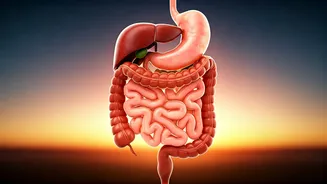
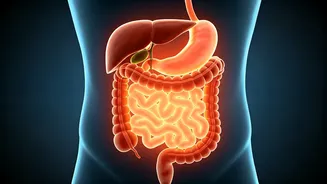
What Happens to Digestion?
Your digestive system gets a break during fasting hours. However, iftar overload, especially with oily snacks, deep-fried pakoras, sugary sherbets, and heavy biryani can shock the system.
This often leads to:
- Acidity
- Bloating
- Indigestion
- Sleep disturbance
Breaking your fast gently with dates and water, as traditionally practiced, makes physiological sense. Dates provide natural sugars and fiber, offering a smooth energy boost.
Hydration & Electrolyte Balance
Unlike other fasting methods, Ramadan fasting includes abstaining from water during daylight hours. This makes hydration strategy crucial.
Dehydration can cause headaches, fatigue, and irritability. To prevent this:
- Drink sufficient water between iftar and sehri
- Include coconut water or lemon water
- Eat water-rich fruits like watermelon and cucumber
- Avoid excessive caffeine, as it increases fluid loss.
Mood, Energy & Mental Clarity
Many people report improved focus during fasting, especially after the first few days. Ketones produced during fat metabolism can serve as an efficient brain fuel.
However, lack of sleep due to late-night prayers and early sehri can affect mood. Maintaining 6–7 hours of rest, even if broken into segments, helps hormonal balance.
Is Ramadan Fasting Healthy?
For most healthy adults, Ramadan fasting can be safe and beneficial when done mindfully. It may improve insulin sensitivity, promote fat utilisation, and encourage disciplined eating.
However, individuals with diabetes, chronic illness, pregnancy, or medical conditions should consult a doctor before fasting.
Faith and health can go hand in hand, but safety comes first.
Ramadan fasting is not just about hunger. It’s a complex biological rhythm involving hormones, metabolism, and cellular processes. When combined with balanced nutrition, proper hydration, and adequate rest, it can support both spiritual and physical well-being.
So the next time you feel that midday hunger, remember, your body isn’t just waiting for iftar. It’s adapting, recalibrating, and healing in remarkable ways.
Because Ramadan isn’t only a fast of the body, it’s a reset for the entire system.