







When Time Zones Shrunk and the Sky Changed Forever!
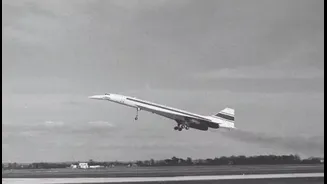
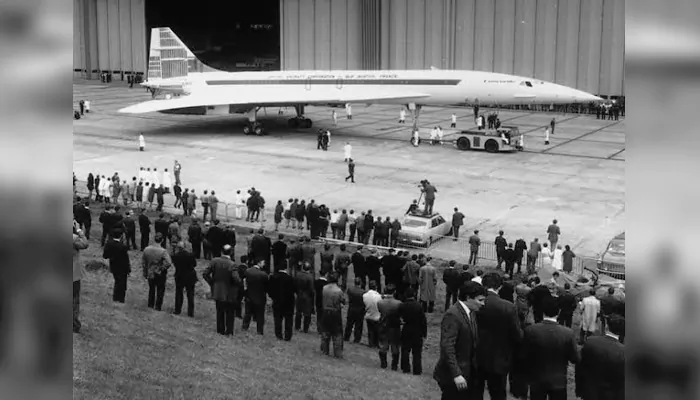
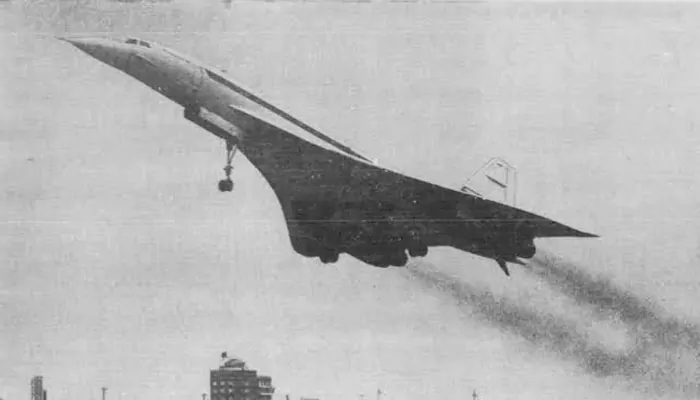
On a historic day in aviation history, the Concorde took its first flight, proving to the world that
passenger travel could be faster than the speed of sound. It wasn’t just another aircraft taking off, it was the beginning of a bold experiment that redefined how humans imagined air travel.
At a time when flying itself was still considered a privilege, Concorde promised something extraordinary: breakfast in London, lunch in New York. For decades, it remained the only commercial aircraft capable of supersonic passenger travel, earning its place as one of the most iconic machines ever built.
The Birth of a Supersonic Dream
The Concorde was born out of a rare international partnership between Britain and France in the early 1960s. The goal was ambitious to build a commercial aircraft that could fly faster than Mach 1 while carrying passengers comfortably across continents.
On its maiden flight, Concorde proved skeptics wrong. Sleek, needle-nosed, and futuristic, the aircraft soared past the sound barrier, opening a new chapter in civil aviation.
For many, it symbolised technological confidence, innovation, and the belief that human ambition had no limits.
Why Concorde Was Unlike Any Aircraft Before It
What made Concorde special wasn’t just speed, it was the engineering brilliance behind it.
- It cruised at Mach 2, more than twice the speed of sound
- It could cross the Atlantic in just over three hours
- Its delta wings allowed stability at supersonic speeds
- The nose could droop for better visibility during takeoff and landing
Inside, the experience was exclusive. Concorde didn’t aim to carry hundreds of passengers. It aimed to carry a select few business leaders, celebrities, royalty, and those who valued time over money.
How Concorde Changed the Meaning of Time
Before Concorde, long-haul travel meant adjusting schedules, fighting jet lag, and losing days in transit. Concorde compressed the world.
Passengers could land before they technically departed, thanks to time zone differences. Meetings across oceans became possible within the same day something that felt almost magical in the pre-digital era.
For India, watching Concorde operate was a glimpse into what the future of global travel could look like, even if it never flew regular routes here.
The Challenges That Came with Supersonic Speed
Despite its success, Concorde faced constant challenges.
- High operating costs
- Fuel inefficiency
- Sonic booms, which restricted overland supersonic flights
- Limited passenger capacity
As fuel prices rose and environmental concerns grew, Concorde’s business model became increasingly difficult to sustain.
Yet, its appeal never faded. Even on its final flights, demand remained strong, a testament to its unmatched legacy.
The End of an Era, Not an Idea
Concorde was eventually retired, marking the end of supersonic passenger flights. But its retirement wasn’t a failure, it was a pause.
The aircraft proved what was possible. It showed that speed, comfort, and engineering excellence could coexist. Today, as new companies explore supersonic and hypersonic travel once again, Concorde remains the benchmark.
Every modern supersonic concept traces its inspiration back to that first historic flight.
Why Concorde Still Matters Today
In an age dominated by budget airlines and efficiency-focused travel, Concorde reminds us of a time when aviation dared to dream boldly.
It wasn’t built to be practical. It was built to be exceptional.
For young Indians fascinated by aerospace, engineering, and innovation, Concorde stands as proof that groundbreaking ideas often arrive before the world is ready for them.
Concorde didn’t just fly passengers, it flew ahead of its era. Its first flight wasn’t just about speed; it was about ambition, collaboration, and pushing boundaries.
Even decades later, the Concorde continues to inspire engineers, dreamers, and travellers alike. Because some machines aren’t meant to last forever, they’re meant to change history.