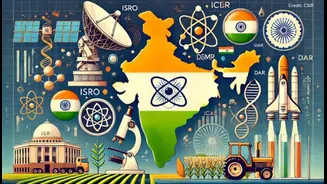

India’s labs are getting noisier - in the best way. 2026 looks like the moment when we inch closer to Human spaceflight.
ISRO, for instance, isn’t talking
in ones and twos anymore; leadership has mapped out seven missions by March 2026, including the first uncrewed Gaganyaan orbital flight to prove human‑spaceflight systems end‑to‑end. Hardware is already at Sriharikota and integration is underway, pointing to a tighter, more repeatable launch cadence rather than “event” rockets.
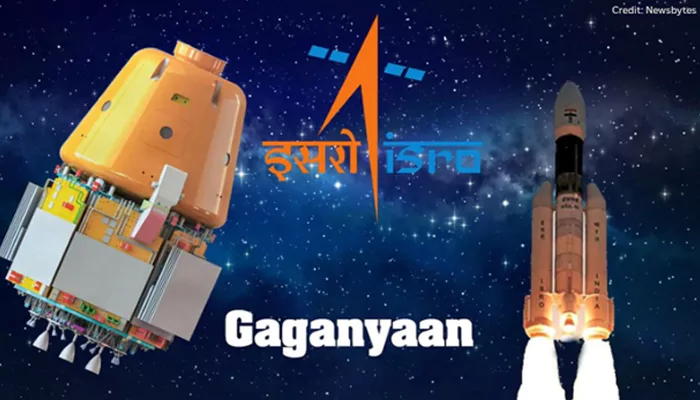
The assembly of the HLVM3 is taking place at the Satish Dhawan Space Centre (SDSC) in Sriharikota and the uncrewed flight is expected to take place early next year from the spaceport.
ISRO’s own roadmap pairs these flights with technology‑development and commercial launches - nurturing a supply chain that runs from propulsion and docking tech to downstream apps back on Earth. Planned steps matter more than hype
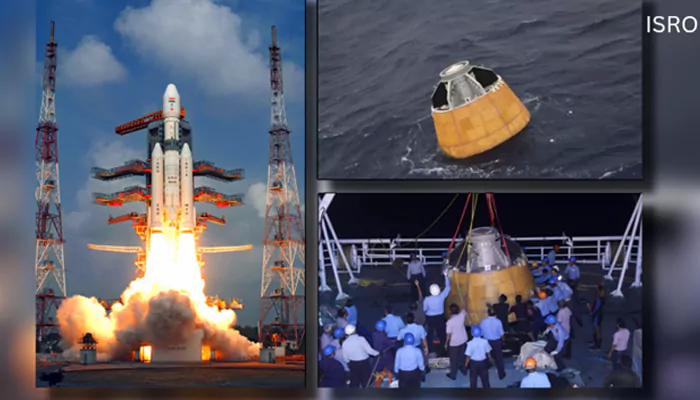
The Gaganyaan sequence runs through multiple uncrewed missions (G1 and follow-ons) before a crew climbs aboard, a conservative ladder that mirrors best practices worldwide. That caution, frankly, is a good look if you’re building a programme meant to endure.
Money, governance, momentum: NRF arrives
India’s new Anusandhan National Research Foundation is moving from legislation to operations, with a five‑year outlay of about ₹50,000 crore and a mandate to knit university labs, ministries and private R&D into one funding spine. Crucially, a big slice is expected from industry - so grants meet real use‑cases, not just paperwork. Calls and portals are already live as the body ramps.
Know more about NRF here
(@vision_ias/Instagram)
Chips: beyond the “fab or bust” debate
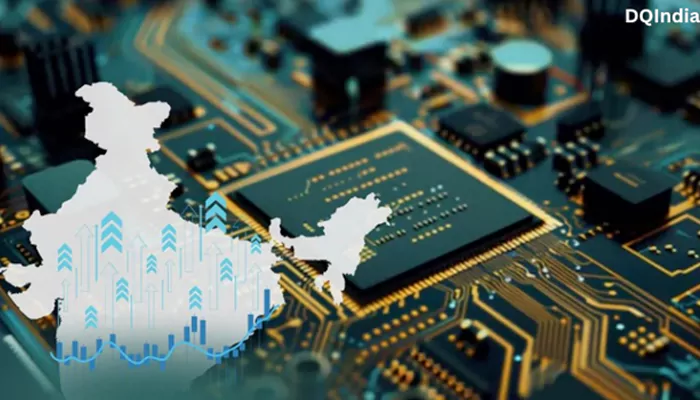
Policy is shifting from a fab‑first fixation to a full‑stack semiconductor strategy - design, compound semis, ATMP/OSAT, tools, materials, the works. Officials describe this next phase as long‑haul support aimed at anchoring the entire supply chain in India, not just marquee plants. Expect more design-linked incentives and supplier moves alongside flagship fabs.
What this means for researchers
- Stable pipelines: Multi‑mission ISRO planning and staged Gaganyaan tests create predictable flight opportunities for instruments, microgravity experiments and space biotech payloads. Think fewer one‑offs, more slots to iterate.
- One window for grants: NRF consolidates fragmented schemes and adds private co‑funding, which can speed translation from paper to prototype - especially for lab‑to‑market tech and national missions.
- Chip R&D’s new on-ramps: ISM 2.0’s emphasis on design ecosystems and packaging plants opens doors for universities and startups working on RF, power electronics, photonics and materials. It’s not glamorous, but it’s where value accrues.
2026: the vibe check
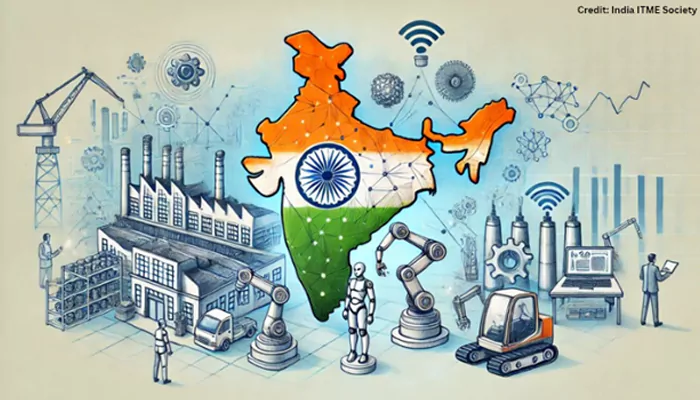
If 2023-25 felt like demo day - test vehicles, docking trials, policy drafts - then 2026 reads like deployment. The signal to researchers is simple: publish, but also prototype; chase citations, but also customers. India’s science is being asked to lift twice - on discovery and delivery - and the scaffolding finally looks ready for that heavier lift.
How to plug in, right now
- Track NRF calls and theme hubs; partner early with industry to co‑design milestones that unlock follow-on funding.
- Align space experiments with ISRO’s manifested windows; smaller, faster instruments will ride more often.
- In semiconductors, bias toward design wins, packaging innovation and supplier tech - where India’s incentives are deepest and timelines shortest.
There’s always a caveat. Timelines slip; budgets tighten; labs run out of pipette tips at the worst moment. Still 2026 feels different. Less fanfare, more factory floor; fewer moonshots, more launchpads. In other words, a good year to build.