

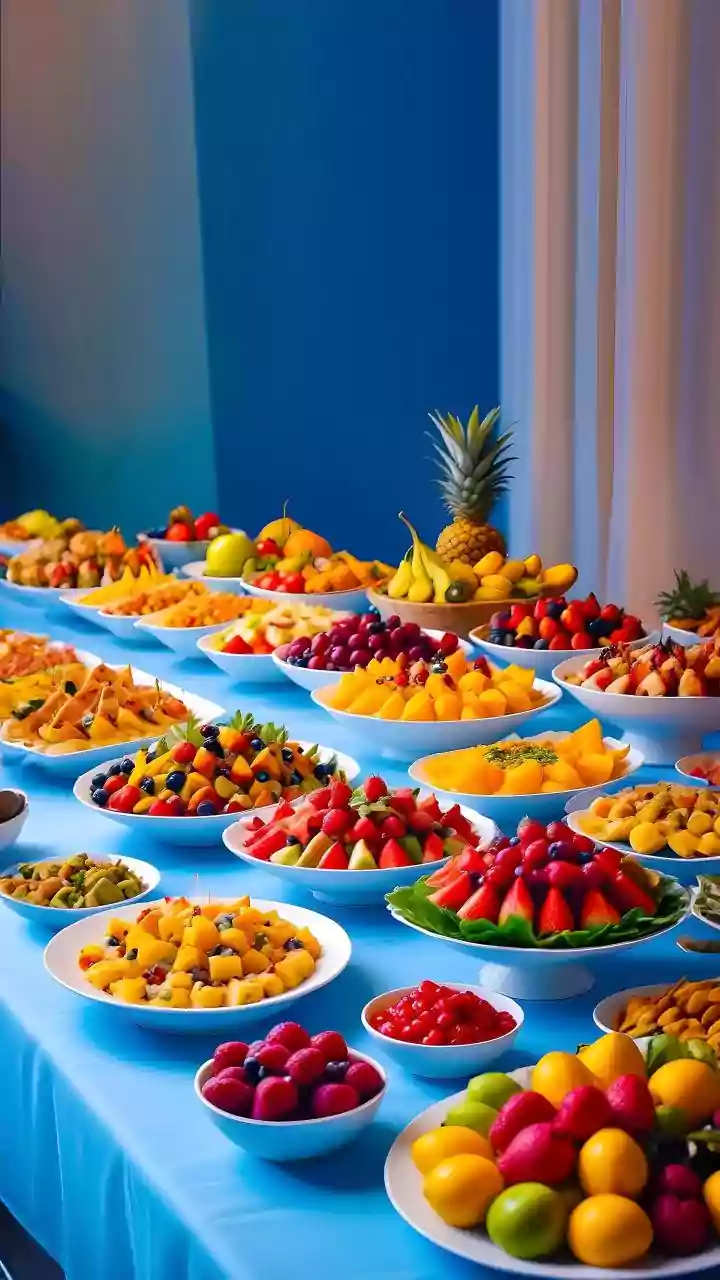




The internet laughed, gawked and debated: these AI moments changed the vibe of 2025.
If 2024 was the year AI became useful, then 2025 was the year AI became viral.
Across social media, apps, and global conversations, artificial intelligence didn’t just assist, it dazzled, disturbed, and delighted people. From quirky imagery to emotional nostalgia and trend-setting tools, these moments showed that AI’s influence now goes far beyond labs and smartphones, it lives in memes, memories, and everyday screens.
Here’s a look at the most viral AI moments of 2025 that shook the internet in ways that made us laugh, question, share, and sometimes say “Wait… did AI just do that?”
Nano Banana: Selfies Turned Collectible Figurines
One of 2025’s most iconic AI crazes was Nano Banana, a Google Gemini image generation feature that let users turn ordinary selfies into realistic 3D figurines, think toy-store action figures with your face.
Suddenly, everyone from influencers to politicians was posting boxed versions of themselves, complete with props and acrylic displays. The trend wasn’t just silly, it became a cultural movement, sparking discussions about identity, self-branding, and how we present ourselves online.
Ghibli AI Filters: Anime Magic Meets Real Life
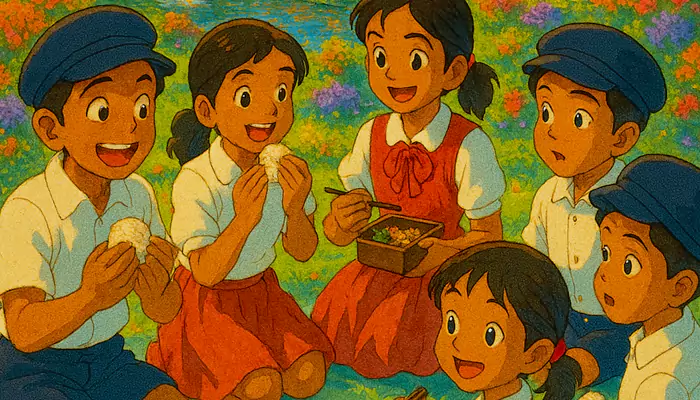
Something magical happened when AI brought Studio Ghibli-style visuals to the masses. Users transformed pets, landscapes, and personal photos into whimsical, hand-drawn worlds reminiscent of Hayao Miyazaki’s timeless animation.
The internet embraced these visuals not just for their aesthetics but for the emotional pull they carried blending nostalgia with creativity, and proving AI could do more than photorealism.
‘Hug My Younger Self’: AI and Emotional
Among the most heartfelt trends was AI-remade nostalgia, especially the “Hug My Younger Self” photos. Using AI tools, people created images where their present selves appeared to embrace their childhood versions. Celebrities and everyday users alike shared these digital reconstructions as symbolic reconciliations with their past.
It was more than a trend; it became a digital touchstone for healing and introspection — a moment where artificial intelligence met human emotion.
‘AI Slop’ Phenomenon: When Surreal Ruled the Feed
Not all viral AI content was heartwarming, some of it was downright strange. The term “AI slop” emerged to describe bizarre, low-quality, surreal AI output that spread like wildfire on social feeds. Think shrimp Jesus images, dramatic cat soap operas, and totally absurd mashups that were viral because they were weird.
This moment showed that virality isn’t always about quality, it’s about shareability, and AI tools made bizarre content easy to produce.
AI-Generated Celebrity Superheroes: Bollywood Goes Meta
In India, AI reimagined glamour with creativity. Viral visuals showed Bollywood actresses in Marvel and DC-style superhero avatars, blending cinematic fantasy with generative visuals.
Fans couldn’t stop sharing these AI-generated avatars, celebrating power and fantasy while sparking playful debates on social platforms.
Brainrot & Meme Culture: “Italian Brainrot” Goes Global
The internet in 2025 was obsessed with absurd, uncanny meme culture, a category that included Italian brainrot memes. These AI-generated characters with nonsensical names and surreal visuals spread endlessly, exemplifying how imaginative, weird, and unpredictable AI creativity can be online.
AI Song Contest 2025: Machines Making Music
AI went beyond visuals. The AI Song Contest 2025 saw generative music created by AI entrants battle it out, with songs judged by humans and online fans alike. The winner, “REVOLUTION” by GENEALOGY, highlighted how AI collaboration in creative fields isn’t just a hallucination, it’s art.
Meme Trends & Prompt-to-Post Culture
Across platforms, the “prompt-to-post” culture took hold. Users generated high-quality art, memes, and even hyper-personalised short videos using simple text prompts, making content creation accessible to everyone and rapidly fueling niche viral moments.
Ethical Debates & Viral Fake Videos
Not all viral AI moments were playful. Deepfake content and ethically problematic AI videos also made headlines, prompting global debate about misinformation, bias, and digital trust, a sobering reminder that viral AI has real world implications.
Social Media AI Meme Cycles Brain Rot to Viral Reels
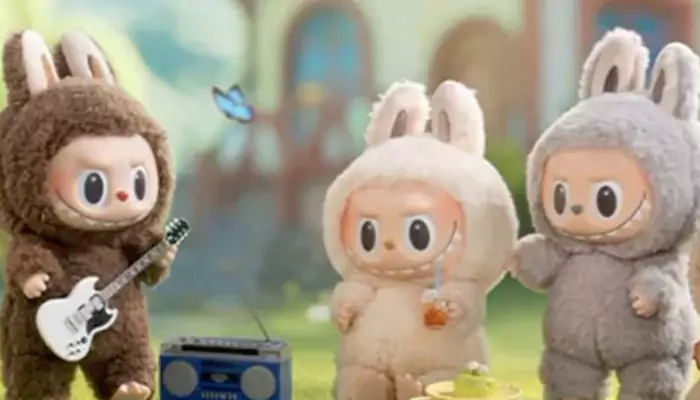
From nostalgic Ghibli filters to Labubu dolls and surreal meme loops, 2025 showed that AI-generated content dictates social media rhythms. Creators tapped into rapid shifts, today’s filter, tomorrow’s trend proving that AI isn’t just a tool, but a driver of attention economics.
What made AI viral in 2025 wasn’t just technological power it was emotional resonance, accessibility, and shareability. Whether it made us laugh, feel sentimental, or scratch our heads, AI became the lens through which we saw ourselves and the world.
In India, where social media thrives on visuals and storytelling, these trends weren’t peripheral, they shaped digital culture.
2025 wasn’t just about smart machines. It was about how artificial intelligence became part of everyday online life, through trends, memes, nostalgia, and conversation. The most viral AI moments didn’t just make us look they made us engage, question, remix, and share.
And if there’s one lesson from this whirlwind of digital moments, it’s that AI’s power to go viral tells us as much about people as it does about technology, because what spreads fastest isn’t just innovation, but emotion in motion online.