









More Than Fasting: How Ramadan Heals the Mind in a Noisy World!
In a country where notifications never sleep and work emails follow us home, the idea of
a mental health retreat sounds tempting. But what if that reset didn’t require a hill station booking or a weekend getaway?
For many Indians, Ramadan has quietly become that retreat.
While it remains a sacred month of fasting and prayer for Muslims, Ramadan in today’s fast-paced world also feels like something else: a structured, community-wide digital detox and emotional reset.
The Power of Slowing Down
Modern life runs on speed. We wake up to alarms, scroll through headlines before brushing our teeth, and fall asleep to blue screens. The result? Mental fatigue, irritability, and burnout.
Ramadan disrupts that cycle.
The day begins early, often before sunrise, with intention. Meals are planned, distractions are reduced, and evenings are centred around prayer, reflection, and family. There is a rhythm that replaces chaos.
This structured slowdown naturally lowers stress. When your day follows a purposeful schedule rather than endless scrolling, your mind gets room to breathe.
Reduced Screen Time, Increased Presence
During Ramadan, many people consciously reduce entertainment consumption, less binge-watching, fewer social media debates, limited mindless scrolling.
This isn’t accidental. The month encourages mindfulness in what you consume, not just food, but information and emotions.
In India’s hyper-digital culture, where screen time averages several hours daily, this shift feels refreshing. Even non-fasters often adopt “Ramadan-style discipline” by:
- Turning off non-essential notifications
- Limiting social media use
- Avoiding online negativity
- Spending more time with family
When digital noise decreases, mental clarity increases.
Emotional Regulation Through Fasting
Fasting is not just physical restraint; it’s emotional training.
When you abstain from food and water for several hours, patience becomes essential. You become more aware of your reactions anger, frustration, impatience. Ramadan encourages controlling these impulses.
Psychologically, this builds emotional resilience. It’s like practising self-control daily. Over time, that restraint strengthens mental discipline.
In stressful urban environments like Mumbai, Delhi, or Bengaluru, where tempers and timelines run high, this daily emotional check-in becomes deeply therapeutic.
The Science of Intentional Living
Mental health experts often speak about the importance of routine, gratitude, and purpose. Ramadan naturally incorporates all three.
Routine: Fixed meal times and prayer schedules stabilise sleep patterns.
Gratitude: Hunger increases awareness of blessings.
Purpose: Charity and reflection create meaning beyond productivity.
Research in behavioural psychology shows that gratitude practices can reduce anxiety and improve overall well-being. Ramadan builds gratitude into daily life.
Instead of chasing productivity, the month shifts focus toward presence.
Community as Emotional Support
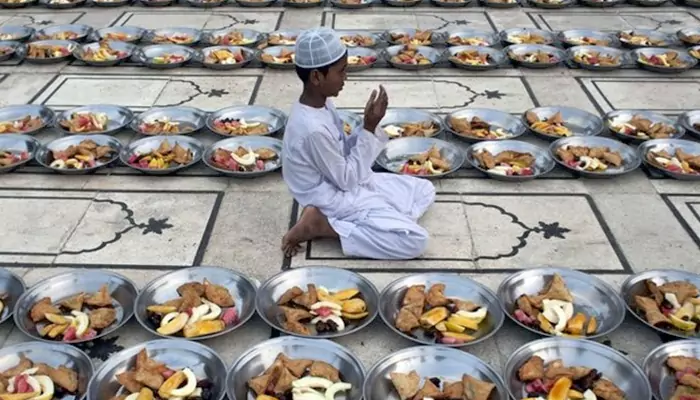
One reason Ramadan feels like a retreat is the collective energy. Entire neighbourhoods shift rhythm. Markets glow in the evening. Families gather for iftar. There is shared understanding.
Mental health improves when people feel connected. Loneliness, a rising concern in urban India, decreases when community participation increases.
Even non-Muslim friends attending iftar dinners often describe a sense of warmth and belonging. The act of breaking bread together becomes emotionally grounding.
A Break From Consumerism
Modern stress is often tied to consumption, buying more, achieving more, scrolling more.
Ramadan subtly challenges that mindset. Simplicity is encouraged. Excess is discouraged. The emphasis moves from “having” to “being.”
This shift reduces decision fatigue and comparison anxiety, both major contributors to mental stress.
For many young Indians juggling careers, expectations, and social media pressure, that simplicity feels liberating.

A Spiritual Pause in a Secular World
You don’t have to be deeply religious to benefit from reflection.
Ramadan invites people to pause and ask meaningful questions:
- Am I living intentionally?
- Where is my energy going?
- What habits need changing?
This introspection mirrors modern therapy techniques that encourage self-awareness.
In a way, Ramadan becomes a month-long mindfulness retreat embedded within daily life—no expensive workshop required.
In today’s always-on culture, mental health struggles are rising. Burnout, anxiety, and digital fatigue have become common across India.
Ramadan offers something radical in response: pause.
- Pause consumption.
- Pause impulsive reactions.
- Pause constant stimulation.
Whether you fast or simply adopt some of its mindful habits, the month offers a rare opportunity to reset both body and mind.
Perhaps that’s why, beyond religion, Ramadan increasingly feels like the mental health retreat we didn’t know we needed.