







Beyond Rituals: The Scientific Meaning of Neem and Jaggery on Ugadi!
As spring arrives and nature begins a fresh cycle, millions of people across South
India celebrate the vibrant festival of Ugadi. Marking the beginning of the traditional New Year in states like Karnataka, Andhra Pradesh, and Telangana, Ugadi is a time for renewal, reflection, and hope.
One of the most fascinating traditions of this festival is the consumption of a special mixture made from neem leaves and jaggery. At first glance, the combination of bitter neem and sweet jaggery may seem unusual. However, this ritual carries deep symbolic meaning and surprising scientific benefits.
A Tradition That Reflects Life
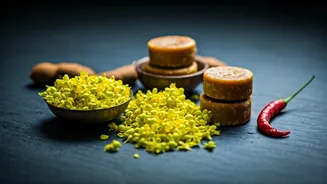
During Ugadi celebrations, families prepare a special mixture called Ugadi Pachadi. This dish includes ingredients such as neem leaves, jaggery, tamarind, raw mango, salt, and chilli.
Each ingredient represents a different emotion in life. The bitterness of neem symbolizes sadness, while the sweetness of jaggery represents happiness. Tamarind adds sourness, raw mango reflects surprise, and chilli represents anger or intensity.
Together, these flavours remind people that life is a blend of different experiences, both sweet and bitter.
The Medicinal Power of Neem
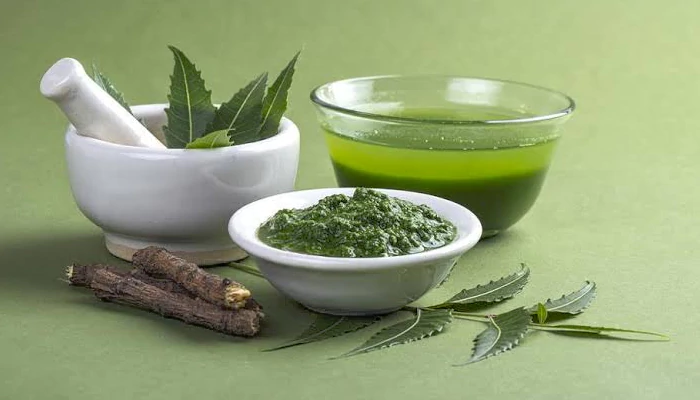
The use of neem in this ritual is not just symbolic. Neem, scientifically known as Azadirachta indica, has long been valued in traditional Indian medicine.
In the ancient practice of Ayurveda, neem is known for its antibacterial, antiviral, and anti-inflammatory properties.
Consuming neem at the start of the new year is believed to help cleanse the body, boost immunity, and protect against seasonal infections that often occur during the transition from winter to summer.
Neem also supports digestion and detoxification, making it a practical addition to festive food.
Why Jaggery Is the Perfect Companion
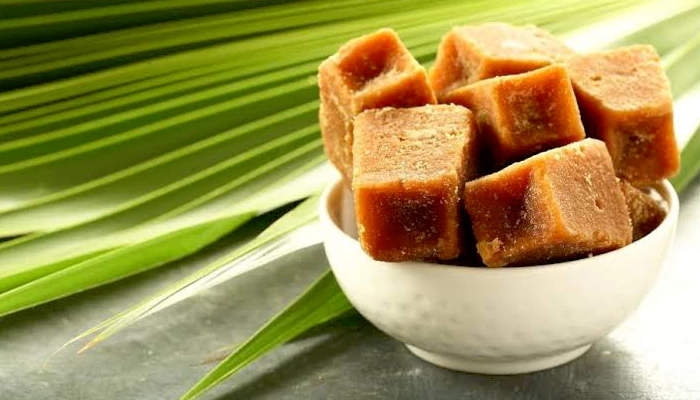
To balance the bitterness of neem, jaggery is added to the mixture. This natural sweetener, known as Jaggery, is widely used in Indian cuisine and traditional remedies.
Unlike refined sugar, jaggery contains essential minerals such as iron, magnesium, and potassium. It also helps improve digestion and provides a quick source of natural energy.
During the changing season, jaggery helps maintain energy levels and supports overall health.
When combined with neem, it creates a unique balance, both in taste and in health benefits.
Seasonal Science Behind the Tradition
Ugadi usually falls during the transition from winter to summer, a time when the body becomes more vulnerable to infections, allergies, and digestive issues.
Traditional Indian festivals often include foods designed to help the body adjust to seasonal changes. The neem and jaggery mixture is believed to prepare the body for the warmer months ahead by strengthening immunity and improving digestion.
This shows how ancient traditions often combine cultural wisdom with practical health benefits.
A Festival of Renewal
Beyond its scientific aspects, the neem and jaggery tradition carries a deeper philosophical message.
By tasting both bitterness and sweetness at the start of the new year, people symbolically prepare themselves for the ups and downs of life. It serves as a reminder to accept every experience with balance and resilience.
This simple ritual transforms food into a meaningful lesson about life.
Celebrating Ugadi with Meaning
Festivals like Ugadi beautifully blend culture, health, and spirituality. The neem and jaggery tradition is a perfect example of how ancient practices carry layers of wisdom that remain relevant even today.
As families gather to celebrate new beginnings, decorate their homes, and share festive meals, the first taste of Ugadi Pachadi reminds everyone that life’s journey includes many flavours.
And perhaps that is the true essence of Ugadi, embracing every moment with gratitude, balance, and hope.