
The secrets behind India's wedding dishes are as captivating as the celebrations themselves. So, let's get ready to discover the untold tales behind the flavours.
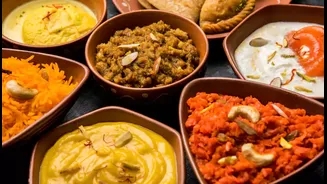
India is a literal treasure trove of cultural diversity, and you can feel the richness of culture at Indian weddings, especially when it comes to food. Every region boasts unique culinary traditions deeply steeped in cultural significance and history. So, let's embark on this flavourful journey through the country and discover the iconic wedding dishes that define regional celebrations and the stories behind them.
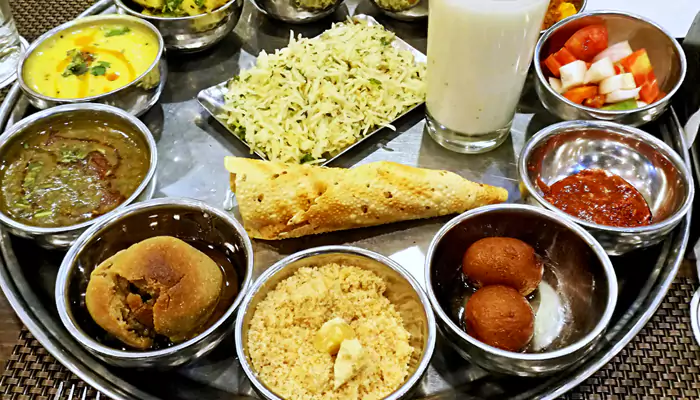
Dal Batti Churma
The crowd-pleaser and the star of Rajasthani cuisine have to be Dal Batti Churma, without whom a Rajasthani wedding celebration seems incomplete. This hearty trio combines spiced lentils, baked wheat dumplings, and sweetened crushed baati. Originating during the reign of the Rajputs, this dish was a staple for soldiers, as baati could be baked in the desert sand. Over time, it evolved into a royal delicacy symbolising hospitality and abundance. Interestingly, its three components, i.e. Dal, Batti, and Churma, also represent completeness and harmony in Rajasthani culture.
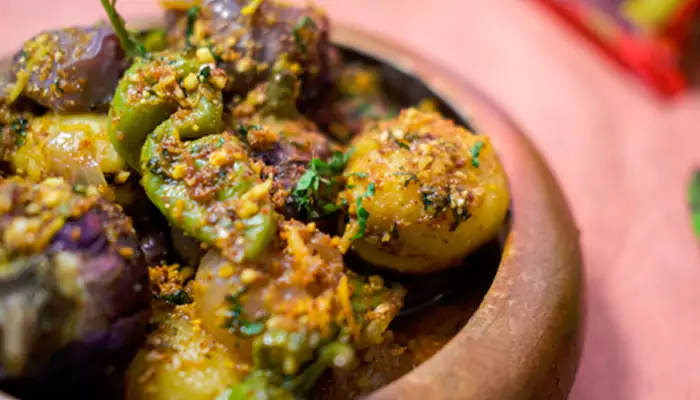
Undhiyu
A Gujarati wedding feast comes alive with the irresistible aroma of Undhiyu. This mouthwatering medley of seasonal vegetables and spices isn't just a dish; it's a celebration of Gujarat's agricultural roots. Traditionally, the dish is slow-cooked in an earthen pot placed upside down (undhu in Gujarati); Undhiyu embodies the richness of winter harvests. Its flavourful mix of root vegetables and fenugreek dumplings is a tribute to abundance and the spirit of community cooking that brings everyone together.
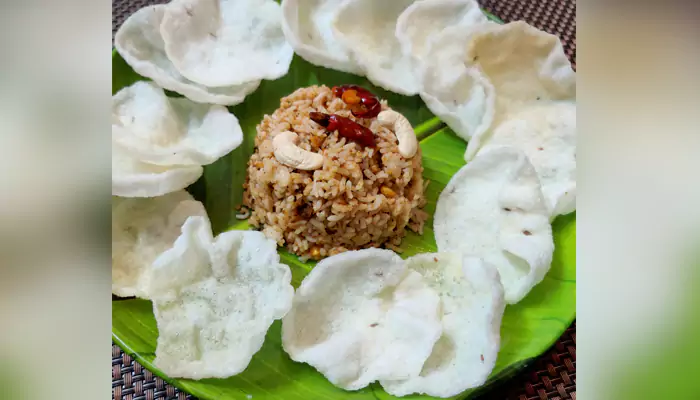
Puliyodarai
Puliyodarai, or as we all know, popularly Tamarind rice, is more than just a dish for Tamilians. It is an offering to the deities. Its tangy flavour is thanks to spices, curry leaves and tamarind, which symbolises prosperity and joy. Traditionally served in banana leaves, Puliyodarai has deep cultural roots tied to temple traditions, where it was first made as prasad (sacred food). Did you know that Puliyodarai blesses newlyweds with harmony, as its tangy and earthy flavours represent balance?
Shukto
Bengali wedding feast often begins with Shukto, a mixed vegetable medley with a bittersweet flavour. This dish is made with bitter gourd, potatoes, and raw bananas and finds its origin in the past and even colonial Bengal. Traditionally served as the first course, it symbolises cleansing and a fresh start, making it a perfect beginning to a wedding feast. There is an interesting symbolism regarding this dish. It is believed that the balance of bitter and sweet flavours reflects the duality of life's experiences, which we believe is a very valuable lesson for any newlywed.
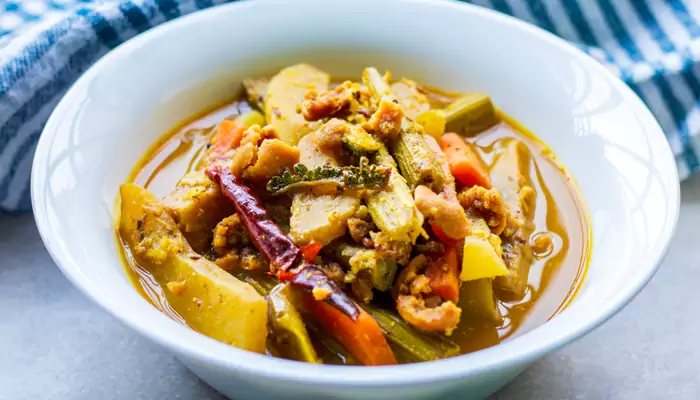
Avial
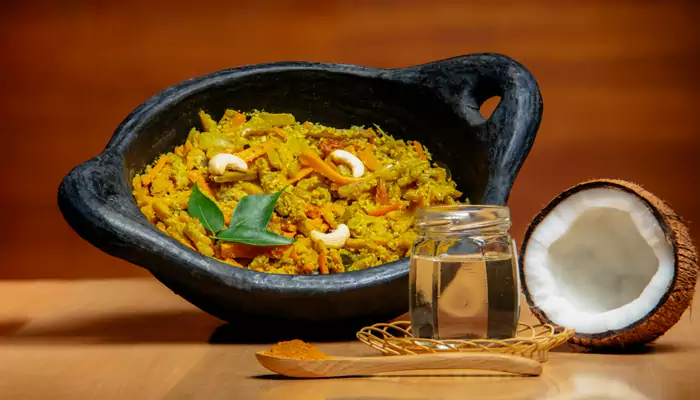
A must-have at Kerela's weddings has to be Avial, a creamy medley of vegetables cooked in coconut and yoghurt. According to folklore, this dish was born from a king's directive to avoid food waste, leading to a flavourful concoction of leftover vegetables. Today, Avial stands as a symbol of unity and resourcefulness, making it perfect for wedding celebrations. In weddings, Avial signifies the blending of families in marriage.
Indian wedding dishes aren't just about flavour; they're a blend of love, tradition, and cultural legacy. Each bite tells a story of India's vibrant heritage. The next time you enjoy these delicacies at a wedding, know you're tasting a piece of history.