








As heatwave conditions continue to affect large parts of India, staying cool and hydrated has become a daily challenge for millions. In a recent edition
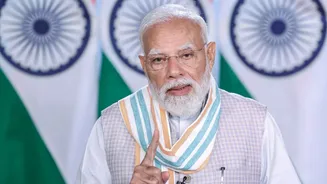
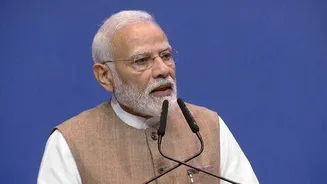
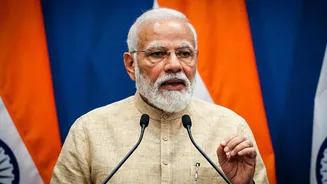
of Mann Ki Baat, Prime Minister Narendra Modi encouraged people to include traditional summer drinks such as lassi, sattu, aam panna, bel sherbet, and sugarcane juice in their diets to help cope with rising temperatures.
His remarks have sparked a wider discussion about whether traditional Indian beverages may offer advantages over many modern packaged drinks during extreme heat. As temperatures rise year after year, many people are beginning to revisit age-old summer habits that were once common in Indian households.
Why Heatwaves Are Changing Daily Habits
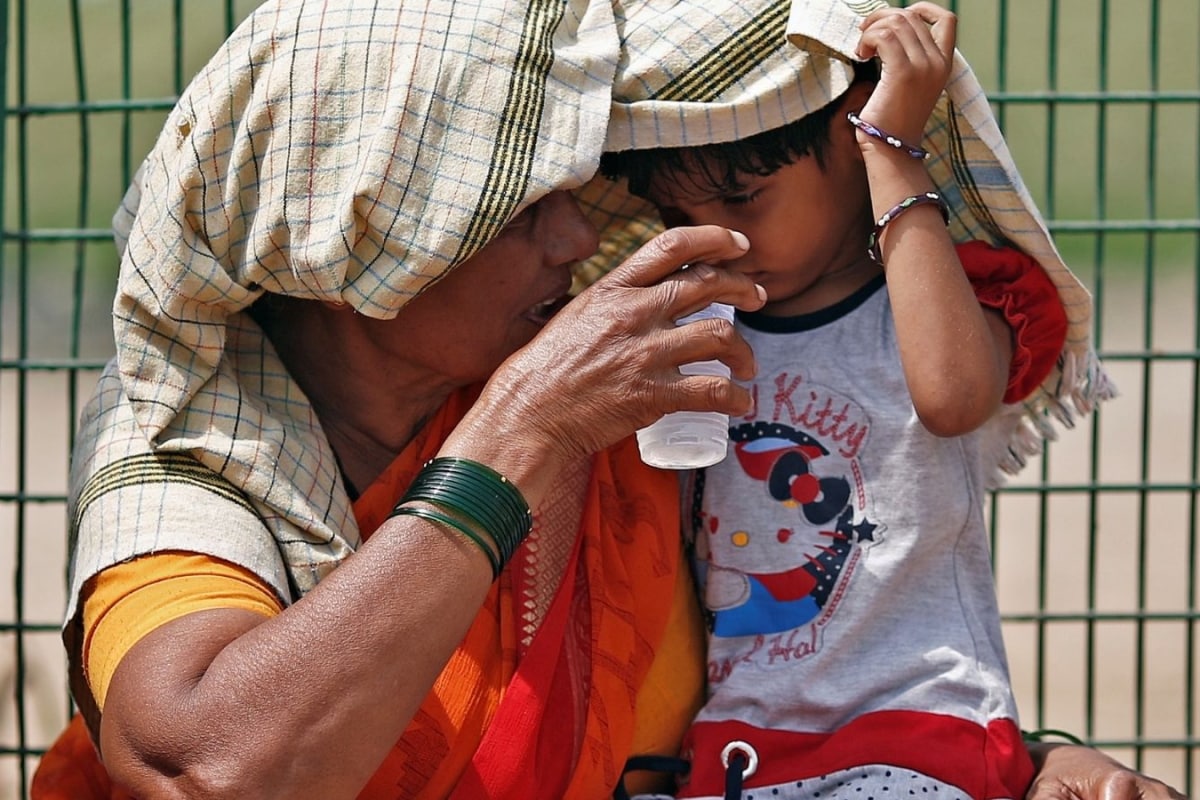
India's summers have always been intense, but recent heatwaves have made staying hydrated more important than ever. High temperatures increase sweating, which causes the body to lose water and essential minerals.
While many people rely on cold soft drinks or packaged beverages for relief, health experts often point out that hydration is about more than simply drinking something cold. The body also needs electrolytes and nutrients that help maintain fluid balance.
This is where traditional summer drinks have started attracting renewed attention.
Traditional Drinks Were Designed for Indian Summers
Long before energy drinks and bottled beverages became widely available, Indian households relied on seasonal drinks to stay comfortable during hot weather.
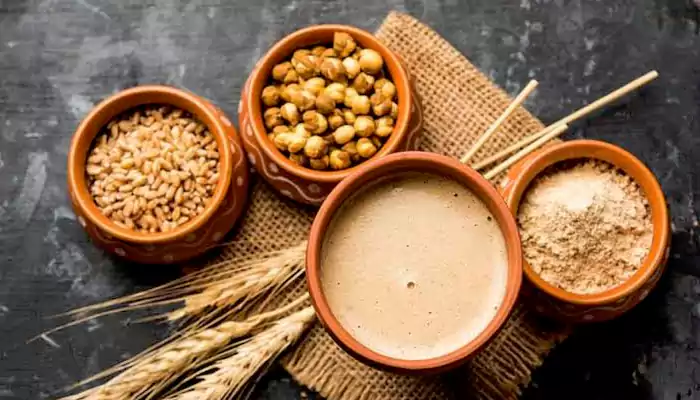
Aam panna, made from raw mangoes, has traditionally been consumed during peak summer months. Lassi has long been a popular choice in northern India, while sattu drinks remain common in states such as Bihar and parts of eastern India.
These beverages evolved in regions that regularly experienced high temperatures. As a result, many people view them as natural solutions developed specifically for local climate conditions.
More Than Just Refreshment
One reason traditional drinks continue to remain popular is that they often provide more than temporary cooling.
Sattu is known for being filling and nutritious, while lassi contains dairy-based nutrients. Aam panna is widely associated with summer hydration and is often consumed during extremely hot weather.
Experts say such drinks can contribute to fluid intake while also providing additional nutritional value, depending on how they are prepared.
This has led many people to compare them with sugary beverages that may provide temporary refreshment but little else.
Traditional Wisdom Finds New Relevance
For many families, drinks like aam panna and lassi are not new discoveries. They are recipes passed down through generations. As heatwaves become more frequent, there is growing interest in traditional knowledge that helped previous generations cope with harsh summers without modern cooling systems.
Many social media users reacted to the Prime Minister's comments by sharing memories of homemade summer drinks prepared by parents and grandparents. The discussion reflects a broader trend of people rediscovering traditional food and beverage practices.
Affordable Cooling for Everyday Households
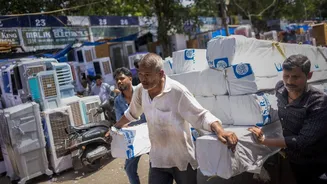
Another reason these drinks are attracting attention is affordability. Air conditioners, coolers, and packaged beverages can add significantly to household expenses during summer. Traditional drinks, on the other hand, are often made using simple ingredients available in local markets.
For many families, they offer a practical and low-cost way to stay refreshed during periods of extreme heat. This makes them particularly relevant at a time when households are already dealing with rising summer-related expenses.
A Shift Towards Seasonal Eating
Nutrition experts often encourage people to eat and drink according to seasonal conditions. Traditional Indian diets have long reflected this principle, with different foods and beverages becoming popular during different times of the year.
The renewed interest in summer coolers highlights how seasonal eating habits are finding relevance once again in modern lifestyles. Rather than looking only at new products, many consumers are revisiting solutions that have existed for generations.
Final Thoughts
PM Modi's suggestion to include traditional drinks such as lassi, sattu, and aam panna in daily routines has reignited interest in India's long-standing summer food culture. While no single drink can completely protect people from the effects of extreme heat, traditional beverages continue to be valued for their role in hydration, nutrition, and comfort. As temperatures keep climbing, many Indians are discovering that some of the simplest ways to beat the heat may already exist in their own kitchens.