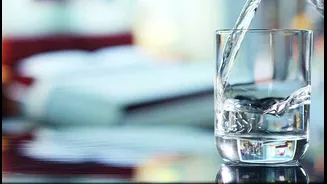









These expert-approved techniques ensure access to clean, drinkable water in any environment.
Staying hydrated is not an option, it's a necessity. Water
making about 70% of our body, we must drink not less than 8 glasses of water daily. While we are outdoors, drinking water often becomes a challenge depending on how pure the available water is. Here are a few ways to process public water and make sure it is fit to be consumed without any worries.
Boiling Water
A place where you have access to boiling water, you can rest assured. Higher temperatures dissipate the viruses and bacteria removing all impurities from water. Boiling water for 20 minutes will also get rid of harmful chemicals that may cause indigestion in your stomach. Make sure you sieve the water with a microporous sieve to get rid of the impurities completely.
Reverse Osmosis
The reverse osmosis thrusts the water through a semi-permeable membrane removing all kinds of contamination away from the water. You can retain the essential minerals through this process without gulping down the toxic elements.
Chlorination Of Water
One of the oldest techniques of purifying water in cases of emergency is by adding chlorine to it. A mild bleach with chlorine kills microorganisms with the process of oxidization and keeps your drinking water safe.
Distillation
You might have to carry a lot of equipment for distillation, but it will kill all microorganisms in the water. However, distilled water is not safe for consumption as it eliminates minerals that are crucial to your body.
Iodine Addition
The red chemical readily available as a tablet or liquid kills bacteria and viruses in the water. However, it should be used as a last resort as it can be fatal to your health if taken in high doses. The chemical also adds a pungent smell to the water and will make you consume less.
Solar Purification
The UV rays of the sun can kill the maximum amount of germs and bacteria in a bottle. Make sure you fill in the water in a glass bottle only to avoid mixing plastic particles in the water.
Clay Vessel Filtration
Clay vessels filter water by blocking mud and impurities, keeping your water cool and clear. The easy availability of clay in rural areas makes it ideal for bringing along every time you go trekking in far-off places.