






Just as many parts of India are dealing with intense heatwaves and rising temperatures, a new warning from the World Meteorological Organization (WMO)
has brought fresh concerns. The agency has indicated a high probability of El Niño conditions developing in the coming months, a weather phenomenon that has historically influenced temperatures, rainfall patterns, and agricultural output across several regions of the world.
While scientists stress that weather outcomes can vary, the alert has prompted discussions about what another El Niño event could mean for India, especially at a time when climate-related challenges are becoming increasingly visible.
What Is El Niño and Why Does It Matter?
El Niño is a naturally occurring climate pattern linked to warmer-than-normal sea surface temperatures in the central and eastern Pacific Ocean..Although it forms thousands of kilometres away from India, its effects can be felt across the globe. Historically, El Niño events have been associated with changes in rainfall patterns, higher temperatures, drought conditions in some regions, and disruptions to agriculture.
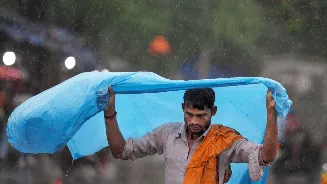
In India, El Niño often attracts attention because of its potential influence on the southwest monsoon, which remains crucial for farming, water supplies, and the broader economy. Because millions of livelihoods depend on seasonal rainfall, any shift in weather patterns is closely monitored.
Fresh Concerns After a Summer of Heatwaves
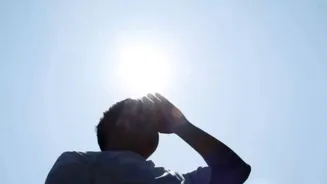
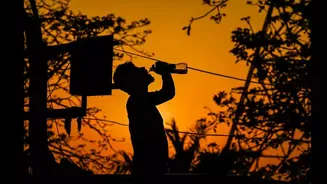
The latest warning comes after several regions in India experienced prolonged periods of extreme heat. For many people, the possibility of another climate-related challenge raises understandable concerns. Heatwaves have already affected daily routines, outdoor work, school schedules, and energy consumption in many cities.
Experts note that while El Niño does not automatically mean severe heat everywhere, it can contribute to warmer global temperatures. Combined with ongoing climate change, this may increase the likelihood of unusually hot conditions in some regions.
This is one reason why climate scientists are paying close attention to upcoming weather developments.
Why Farmers Are Watching Closely
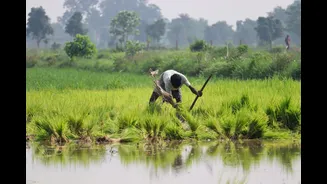
Few groups are as sensitive to weather changes as farmers. Agriculture remains heavily dependent on monsoon rainfall, particularly in areas where irrigation infrastructure is limited. Variations in rainfall timing, intensity, or distribution can influence crop yields and farming decisions.
A weaker or less predictable monsoon can affect planting schedules and create uncertainty for agricultural communities.
Even when overall rainfall levels remain near normal, uneven distribution can create challenges at the local level. As a result, farmers often view El Niño forecasts as an important indicator for seasonal planning.
The Impact Could Extend Beyond Agriculture
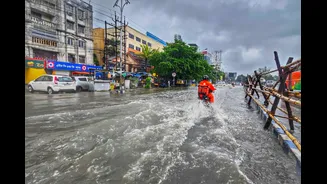
Weather events do not affect only farms. They can also influence urban life, household budgets, and public health. Higher temperatures may increase electricity demand as more households rely on cooling systems. Water shortages can become a concern in some areas, particularly where reservoirs are already under pressure.
Health experts also warn that prolonged heat exposure can increase the risk of dehydration, heat exhaustion, and other heat-related illnesses, especially among vulnerable populations such as older adults and outdoor workers.
In addition, changes in agricultural output can sometimes influence food prices, creating ripple effects across the economy.
Climate Change Is Adding a New Layer of Complexity
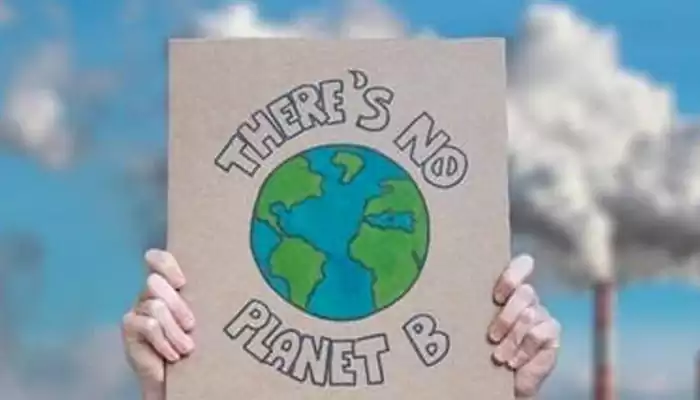
Scientists increasingly point out that natural weather events such as El Niño are now interacting with a warming climate. This means that weather patterns may become more intense or unpredictable than in the past. While El Niño itself is not caused by climate change, rising global temperatures can amplify some of its impacts.
As a result, climate experts are encouraging governments, businesses, and communities to strengthen preparedness measures rather than simply reacting after extreme weather occurs. The focus is gradually shifting from short-term responses to long-term resilience.
What Can Individuals Do?
While large-scale weather systems are beyond individual control, experts recommend practical steps to reduce risks. Staying informed about weather updates, conserving water, avoiding prolonged exposure during extreme heat, and maintaining emergency supplies can help households cope with changing conditions.
For communities already experiencing high temperatures, preparation may prove more effective than waiting for conditions to worsen.
Final Thoughts
The possibility of another El Niño event has reopened conversations about India's climate future. While scientists continue to monitor developments, the warning serves as a reminder of how closely weather, agriculture, public health, and economic stability are connected.
Whether the coming months bring major disruptions or only modest changes, the discussion highlights a larger reality: climate resilience is becoming increasingly important. For India, preparing for weather uncertainty may be just as important as predicting it.