

Winter Wellness Unwrapped: Truths Beyond the Myths!
As the cold weather sweeps across India every winter, conversations around boosting immunity surge,
from chai with tulsi and honey to homemade kadha rituals. While boosting our immune system is undeniably important, especially after the pandemic era, many long-standing immunity myths continue to influence how Indians approach winter health. This New Year, let’s separate fact from fiction so you can adopt evidence-based wellness habits that actually work.
Myth: Chyawanprash Alone Can Shield You All Winter
Chyawanprash, a traditional ayurvedic supplement rich in herbs and antioxidants, has been a winter favourite in many Indian households. While it does contain ingredients like amla (rich in vitamin C), it’s not a standalone immunity booster.
Truth: Chyawanprash can contribute to overall wellness, but immunity depends on multiple factors, diet, sleep, hydration, stress levels, and physical activity. Relying on a single supplement without a balanced lifestyle won’t protect you from seasonal infections.
Tip: Use chyawanprash as part of a holistic health routine that includes diverse whole foods.
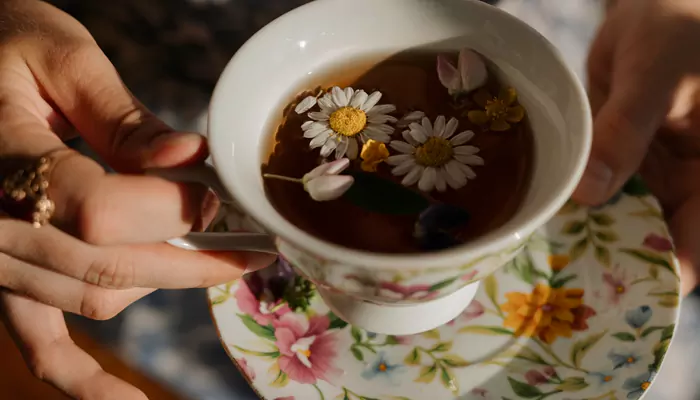
Myth: Hot Drinks Kill All Germs in the Body
Yes, sipping hot water, tea, or herbal concoctions might soothe a sore throat or make you feel warm temporarily, but it won’t kill viruses or eliminate infections from your body like magic.
Truth: Hot liquids help ease symptoms and support hydration, which is important for immune function. However, viruses and bacteria aren’t eliminated just because you consumed something hot, immunity is far more complex.
Tip: Stay hydrated with fluids throughout the day not just warm ones and focus on nutrient-rich meals that support immune cells.
Myth: Vitamin C Supplements Are Enough to Boost Immunity
Vitamin C is often hailed as the ultimate immune booster, a belief that’s common across India during winter. While vitamin C plays a role in immune cell function, megadoses of supplements won’t give you “super immunity.”
Truth: A balanced intake of vitamins and minerals, including vitamin D, zinc, and vitamin C, supports immune health. But getting nutrients from whole foods is more effective than relying solely on pills.
Tip: Incorporate citrus fruits, leafy greens, nuts, seeds, and lentils into daily meals instead of over-relying on supplements.
Myth: More Spices = Stronger Immunity
Indian cuisine is celebrated for its spices, turmeric, ginger, cinnamon, cloves, and more. While many spices contain antioxidants and anti-inflammatory compounds, eating them in excess does not automatically boost your immunity.
Truth: Spices can support overall health when combined with a balanced diet. But immunity isn’t just about spices, it’s about nutrient diversity and lifestyle habits.
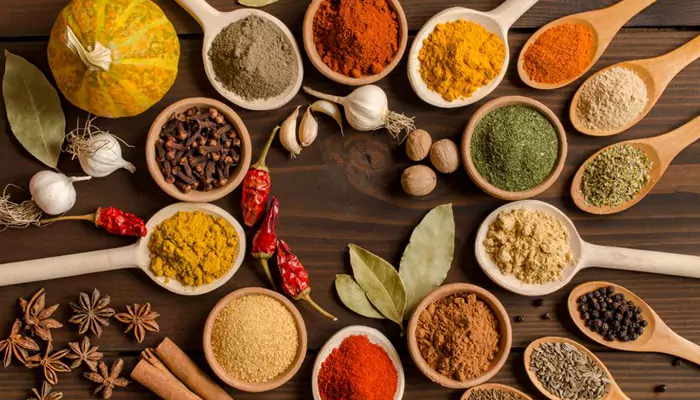
Tip: Use spices judiciously as flavour enhancers and enjoy a variety of fresh foods to nurture your immune system.
Myth: If You Don’t Get Sick in Winter, You Have Strong Immunity
Many people pride themselves on never falling sick during winter, assuming their immune system is exceptionally strong. But lack of illness doesn’t necessarily equate to strong immunity.
Truth: You might be fortunate, exposed less to pathogens, or benefitting from good habits like hygiene and sleep. Immunity is a dynamic process, and even healthy individuals can become susceptible without consistent care.
Tip: Focus on prevention strategies, balanced diet, regular sleep patterns, hygiene, stress management, and physical activity, rather than just the absence of sickness.
Myth: Natural Remedies Always Replace Medical Care
Traditional remedies, from haldi milk to herbal kadhas have earned their place in Indian culture and can be comforting. But believing that natural remedies alone can treat infections or prevent every illness, especially serious ones, can be dangerous.
Truth: Home remedies can help alleviate mild symptoms and support wellness, but they should not replace medical advice, vaccination, or proper treatment when needed.
Tip: Consult a healthcare provider if symptoms worsen or don’t improve within a reasonable time.
Science-Backed Ways to Boost Winter Immunity
Now that we’ve busted common myths, here are proven ways to support your immune system this winter:
Prioritise Sleep
Sleep helps your body repair and regenerate cells. Aim for 7–9 hours nightly.
Eat a Balanced Plate
Include fruits, vegetables, lean proteins, healthy fats, and whole grains in your meals.

Stay Active
Even light exercise like brisk walking, yoga, or stretching promotes better immune response.
Manage Stress
Chronic stress weakens immunity. Meditation, breathing exercises, and leisure activities can help.
Maintain Hygiene
Regular handwashing and respiratory hygiene reduce the risk of infections that challenge your immune system.
Winter need not be a time of fear or confusion over immunity. By separating myths from medical evidence and embracing balanced, sustainable lifestyle changes, you can truly fortify your health in 2026. Remember: immunity isn’t about quick fixes, it’s about consistent, holistic care.
Let this New Year be the one where you choose evidence over myths, habits over hype, and wellness that lasts.