



Here are today’s most important updates from the realm of Science and Space.
From Polar Phenomenon to Global Spectacle: The Mystery of Green And Purple Auroras
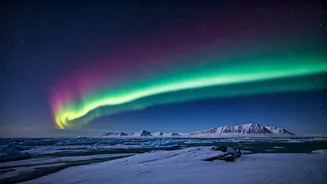
In recent years, glowing waves of green and purple lights moving across the
night sky have caught the attention of people around the world. These natural light displays, known as the aurora borealis in the north and the aurora australis in the south, have become so popular that special tours, watch parties and mobile apps now exist to help people track them. Although many people are mesmerized by the beauty of these glowing lights, there are many interesting facts behind their formation and the different colours they appear in, according to reports. Auroras are the result of intense solar storms on the Sun. During these storms, a large amount of electrically charged particles are released from the Sun into space. Some of these particles move toward Earth and are deflected toward the North and South poles by the Earth's magnetic field.
NASA’s Perseverance Hears Tiny Lightning Sparks Dancing in Mars’ Dust Storms
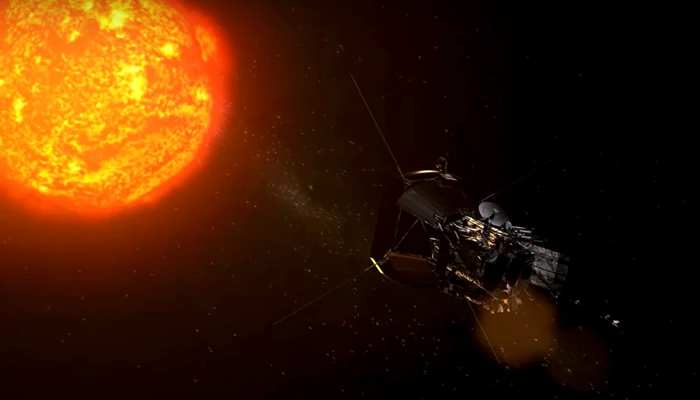
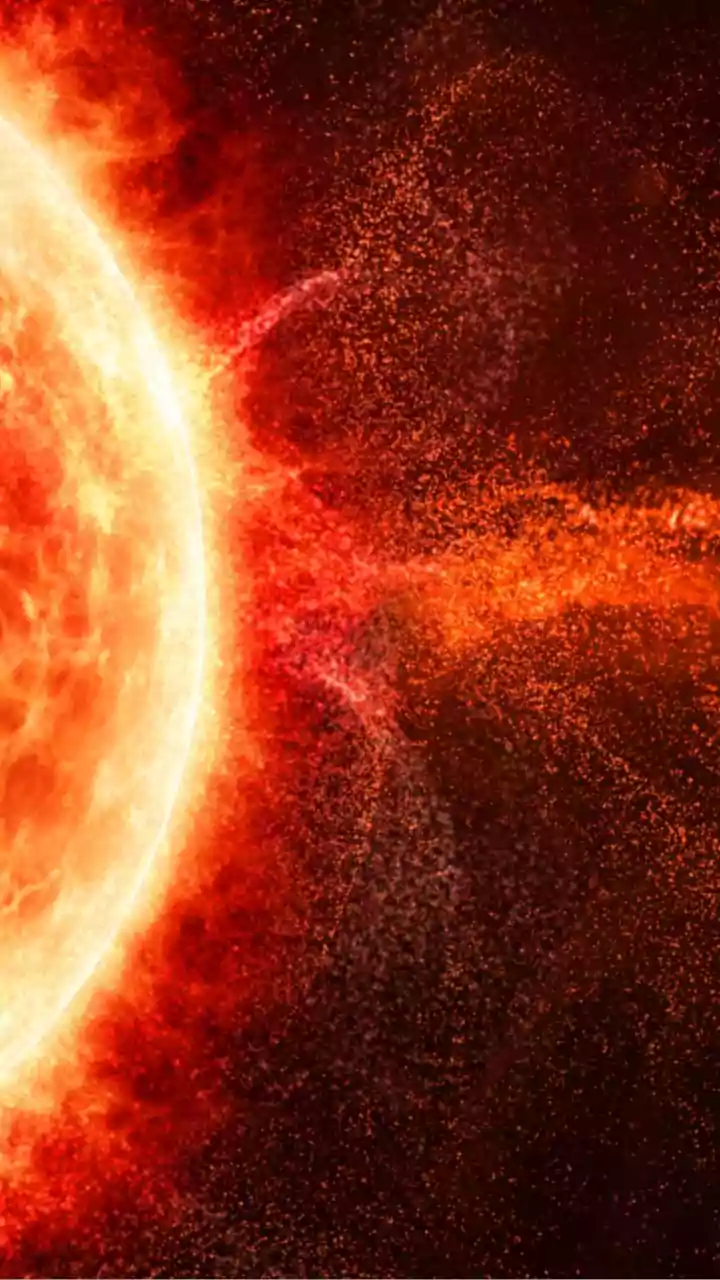
NASA's Parker Solar Probe has given scientists a clearer look at how the sun behaves during powerful eruptions. In new observations, the spacecraft saw hot solar material rush away from the sun and then partly turn back, falling toward the star again. This rare view helps explain how the sun reuses its energy and may help scientists predict space weather earlier. These images were recorded during the Parker Solar Probe's historic close flyby of the Sun on Christmas Eve 2024. At that time, the spacecraft was just 3.8 million miles from the Sun's surface. During this close encounter, Parker witnessed a solar flare erupting from the Sun and recorded a bright plume of superheated material spreading into space, according to reports.
The Sky Is Part of the Problem: How Clouds Are Making Earth Hotter

A new study finds that recent changes in air pollution are not the main reason the growing “energy imbalance” that is fueling global warming has increased. Aerosols—tiny airborne particles from sources such as pollution, wildfires, and volcanoes—can affect how clouds form and how much sunlight Earth reflects back to space. While aerosols can influence climate regionally, the new research shows their recent global impact has been small. In the Northern Hemisphere, cleaner air in heavily industrialized regions has reduced the number of particles that help clouds reflect sunlight, allowing more solar energy to reach Earth’s surface.
How Cattle DNA Unlocks a 10,000-Year Story of East Asia and the Silk Road
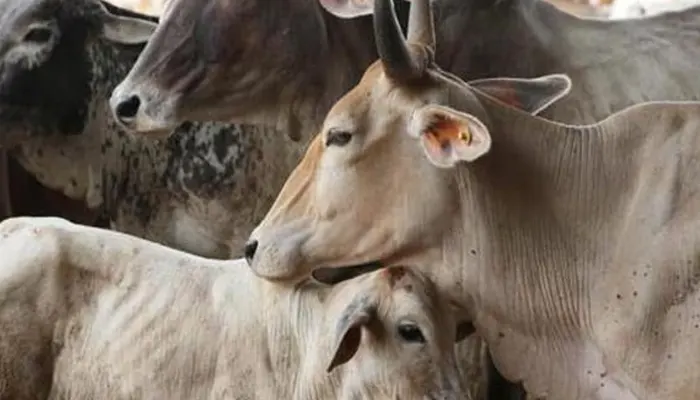
Researchers have created a detailed genetic map to trace the origin and movement of domestic cattle in East Asia, providing new evidence of early exchanges between ancient civilisations along the Silk Road. This study sheds light on how cattle spread across the region and how ancient societies interacted over thousands of years. The study revealed that domestic cattle in East Asia did not originate from a single source. Rather, they evolved gradually through repeated introductions of external breeds and genetic mixing with local populations. The researchers also found that around 5,000 years ago, during the late Neolithic period, taurine cattle reached the Yellow River Basin, the cradle of ancient Chinese civilization. There, they interbred with local wild aurochs, leading to the development of early domestic cattle populations with regional characteristics.