





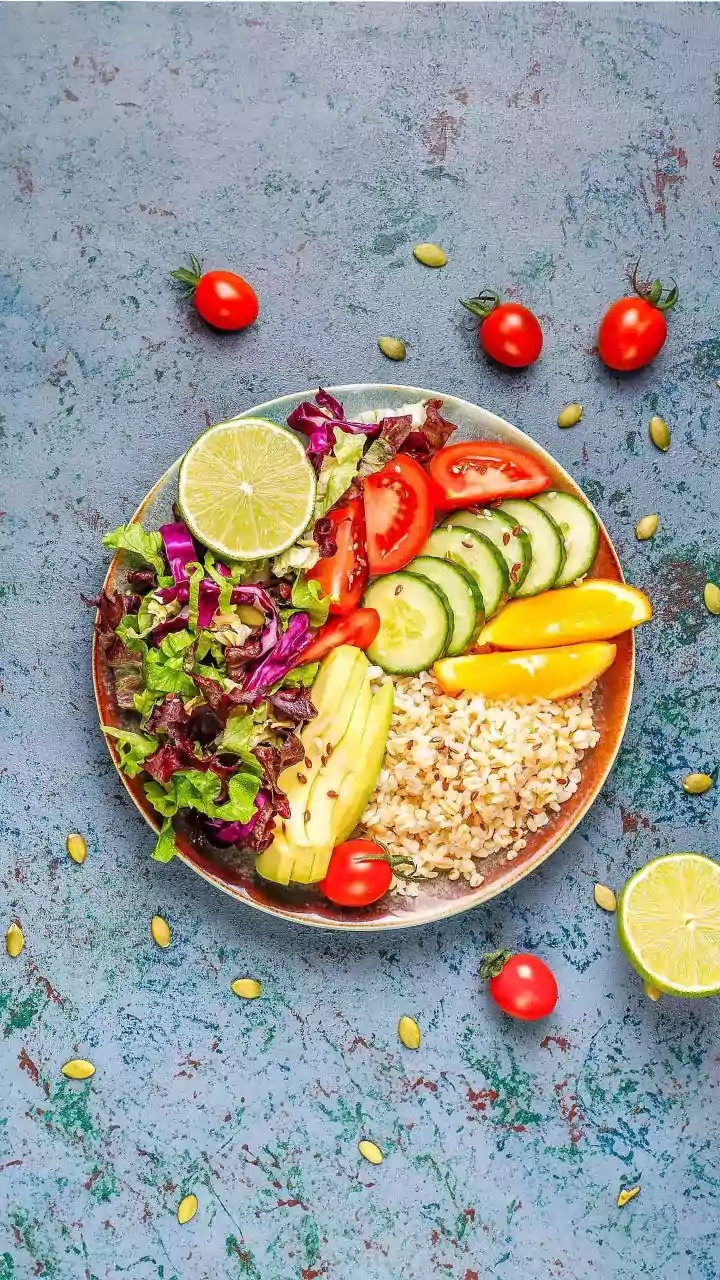

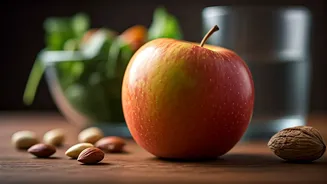

As we age, our bodies undergo several changes, and maintaining a healthy body through diet becomes increasingly important.
A balanced and nutrient-rich
diet can support our overall well-being, enhance longevity, and reduce the risk of age-related diseases. In this article, we will explore some dietary changes that can help with aging, enabling individuals to lead a healthier and more vibrant life.
Increase Consumption of Antioxidant-Rich Foods
Antioxidants play a crucial role in protecting our cells from damage caused by free radicals. As we age, the production of free radicals increases, leading to oxidative stress and potential harm to our bodies. Including foods rich in antioxidants in our diet can help combat this damage. Some excellent sources of antioxidants include berries, dark leafy greens, nuts, seeds, and colorful fruits and vegetables.
Prioritize Omega-3 Fatty Acids
Omega-3 fatty acids are essential for brain health, reducing inflammation, and promoting heart health. As we age, these benefits become even more critical. Increase your intake of omega-3 fatty acids by incorporating foods walnuts, seafood, flaxseeds, and chia seeds into your diet. Alternatively, consider omega-3 supplements after consulting with a healthcare professional.
Embrace Whole Grains and Fibre
Whole grains and dietary fibre are vital for maintaining a healthy digestive system, preventing stomach issues, and regulating blood sugar levels. Additionally, they can help reduce the risk of age-related conditions such as heart disease, diabetes, and certain types of diseases. Opt for whole grain varieties of bread, pasta, and rice, and incorporate fibre-rich foods like legumes, fruits, vegetables, and nuts into your meals.
Focus on Lean Protein Sources
Protein is essential for maintaining muscle mass and strength, which tend to decline with age. Opt for lean sources of protein such as tofu, beans, lentils, non veg products and low-fat dairy products. Adequate protein intake can also aid in wound healing, immune function, and hormone production.
Stay Hydrated
Adequate hydration is crucial for overall health, especially as we age. Older adults often have a reduced sense of thirst, making them more prone to dehydration. Make it a habit to drink water throughout the day and include hydrating foods like watermelon, cucumbers, and soups in your meals. Avoid excessive consumption of caffeinated and sugary beverages, as they can contribute to dehydration.
Limit Sodium and Processed Foods
Excessive sodium intake can lead to high blood pressure, which is a risk factor for heart disease. As we age, our bodies become more sensitive to the effects of sodium, making it important to moderate our intake. Minimize the consumption of processed foods, fast food, and salty snacks. Instead, opt for fresh, whole foods and use herbs, spices, and natural flavourings to enhance the taste of your meals.
Be Mindful of Calcium and Vitamin D
Maintaining strong bones becomes increasingly important as we age to prevent conditions like osteoporosis. Calcium and vitamin D are key nutrients for bone health. Incorporate calcium-rich foods like dairy products, leafy greens, and fortified plant-based alternatives into your diet. Additionally, ensure adequate exposure to sunlight or consider vitamin D supplements to support calcium absorption.