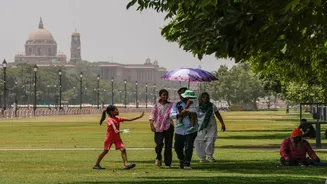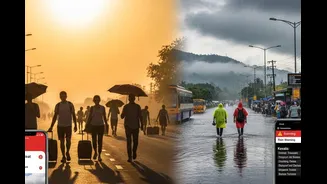





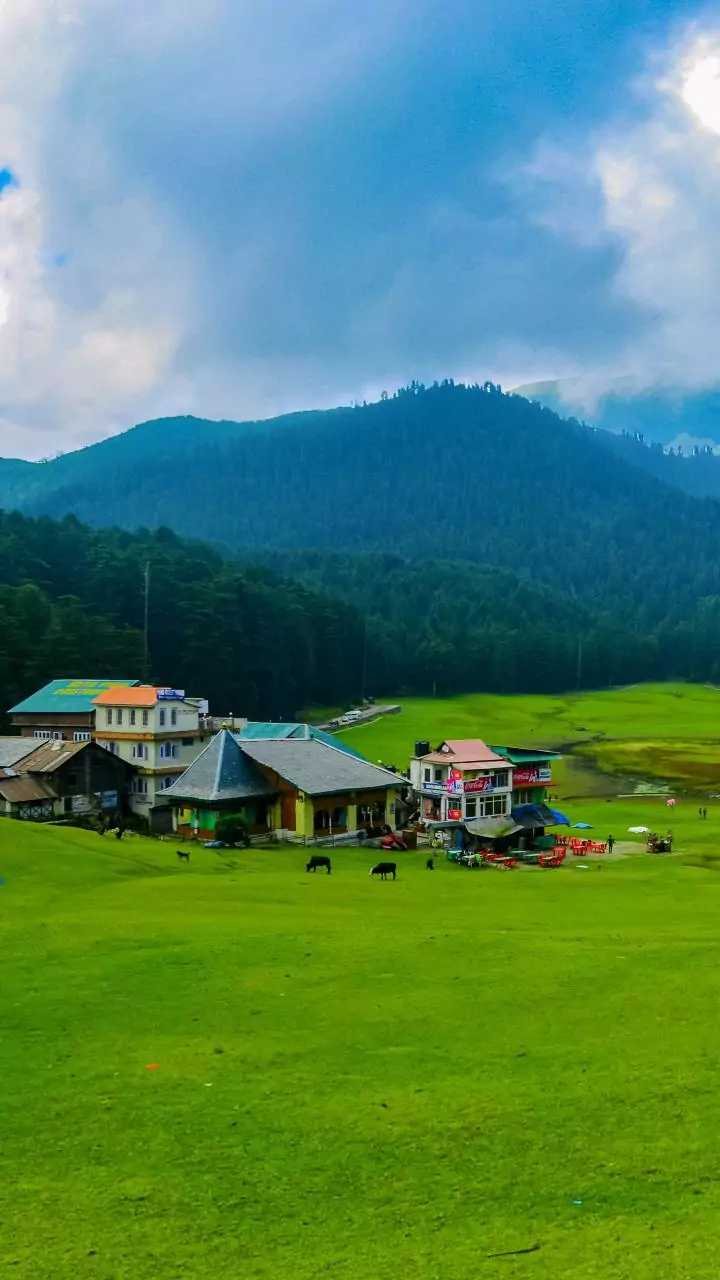
As heatwave conditions continue across many Indian cities, thousands of families are rushing toward hill stations in search of cooler weather and relief
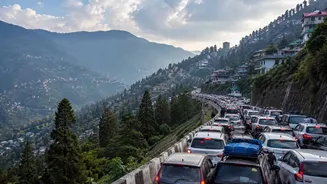
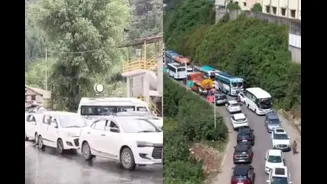
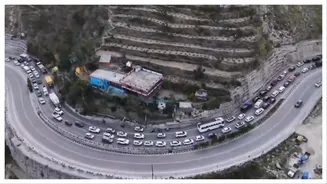
from rising temperatures. But for many travellers heading to places like Shimla, Manali, Mussoorie, and Nainital, the escape is now coming with an unexpected problem, massive traffic congestion and overcrowding.
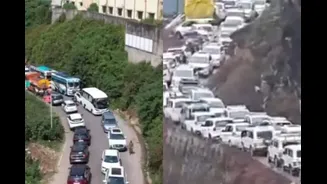
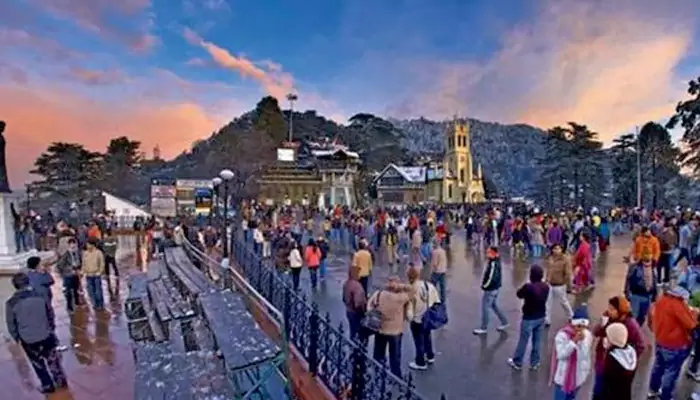
Recently, Shimla witnessed an extraordinary tourist rush, with around 70,000 vehicles reportedly entering the city within just three days. The heavy inflow created long traffic jams, parking shortages, and delays across several routes.
The situation has sparked a wider conversation about whether India’s favourite hill destinations are prepared for the growing pressure of climate-driven tourism.
Heatwaves Are Changing Travel Patterns Across India
Extreme summer temperatures in cities like Delhi, Jaipur, Chandigarh, and Lucknow are pushing more people toward cooler destinations earlier than usual. For many families, hill stations now feel less like luxury vacations and more like temporary relief zones during unbearable weather conditions.
This sudden increase in tourist movement is creating:
- packed highways
- crowded hotels
- long waiting times
- overloaded parking areas
Experts say the pattern reflects how climate conditions are quietly reshaping tourism behaviour in India.
“Vacation Starts With a Traffic Jam”
Many travellers heading to Shimla expected cool air and peaceful mountain views. Instead, social media quickly filled with complaints about:
- cars stuck for hours
- overcrowded roads
- delayed hotel check-ins
- exhausting travel experiences
Several tourists described the experience as stressful rather than relaxing. The irony, many users pointed out online, is that people escaping urban chaos are now finding the same congestion in hill stations too.
Why Hill Stations Are Struggling to Cope
Experts say most popular hill stations were not originally designed to handle such large volumes of vehicles and tourists at the same time. Narrow mountain roads, limited parking capacity, and fragile infrastructure make traffic management difficult during peak tourism seasons.
During holiday weekends and heatwaves, the pressure increases sharply because:
- more people travel by personal vehicles
- families prefer short-distance road trips
- hotel demand rises suddenly
This combination creates traffic bottlenecks across entry routes and local roads.
Social Media Is Amplifying Tourist Frustration
Videos of traffic jams in hill stations are now going viral almost every summer. Many travellers are posting about:
- spending hours inside cars
- difficulty finding parking
- overcrowded viewpoints and cafés
- losing valuable vacation time in traffic
This online visibility is changing how people think about summer travel. For some families, the stress of overcrowded tourism is starting to outweigh the excitement of escaping city heat.
Climate Escape Tourism Is Becoming a Real Trend
Experts increasingly describe this phenomenon as “climate escape tourism”, where people temporarily leave overheated cities to find relief in cooler regions. As heatwaves become stronger and longer, this trend may continue growing.
Hill stations are already witnessing:
- earlier tourist seasons
- heavier vehicle movement
- increased demand for accommodation
- rising strain on local resources
This raises concerns about sustainability and long-term infrastructure planning.
The Bigger Question: Can Popular Destinations Handle Future Demand?
Tourism experts say the current situation is not just about traffic. It also highlights a larger challenge around balancing tourism growth with local infrastructure and environmental protection. Without better planning, overcrowding may affect:
- tourist experience
- local residents
- road safety
- environmental conditions in mountain regions
Some experts believe future solutions may require:
- better public transport systems
- controlled vehicle entry
- smarter tourism planning during peak seasons
Vacations Are Slowly Becoming More Exhausting
For many travellers, the dream of peaceful hill vacations is changing. Instead of relaxation, many families now face:
- travel exhaustion
- rising hotel costs
- traffic frustration
- overcrowded tourist spots
This shift reflects how heatwaves are influencing not only weather patterns but also how people experience travel itself.
Closing Note: Searching for Relief, Finding Overcrowding
The massive tourist rush in Shimla shows how deeply extreme heat is now shaping everyday decisions in India. People are not simply travelling for leisure anymore, many are trying to escape difficult living conditions caused by rising temperatures.
But as more travellers head toward the same destinations at the same time, India’s hill stations are struggling to keep pace with the growing demand for cool weather and comfort.