







One week, tomatoes look ordinary. Next, the sabzi bill feels oddly aggressive. Somewhere between blistering highways, wilting spinach and overheated trucks,
summer quietly enters the kitchen.
The heatwave is no longer just a weather story.
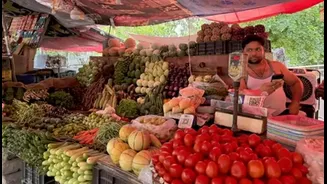
Vegetable prices across parts of Mumbai Metropolitan Region jumped nearly 50% this week after prolonged heat disrupted supply chains and damaged crops, according to local traders and wholesale market reports.
Bengaluru and Andhra Pradesh have reported similar trends in recent days, with tomatoes, leafy vegetables and beans becoming noticeably costlier after intense summer conditions slowed production and increased spoilage during transport.
That’s the thing about heatwaves. They do not stay politely inside weather apps.
Why vegetables react so quickly
Unlike packaged food, vegetables are fragile, impatient little things. Excessive heat dries crops faster, damages yields and shortens shelf life during transport. Tomatoes soften. Leafy greens wilt halfway through the journey. Even onions and grapes struggle under prolonged extreme temperatures.
Farmers in Maharashtra told Hindustan Times earlier this season that vegetable arrivals in wholesale markets dropped 20–30% because heat affected both harvesting and transport conditions.
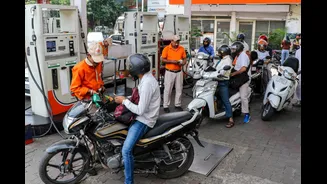
Then comes the second layer: logistics. Refrigerated transport becomes more expensive. Water demand rises. Fuel costs climb. Suddenly, your ₹40 coriander-and-tomato purchase begins behaving like a luxury negotiation.
Honestly, Indian households experience climate change less through speeches and more through bhindi prices.
How families quietly adapt
People rarely stop buying vegetables entirely. They adapt instead.
Some switch to seasonal local produce. Others reduce quantity, avoid leafy vegetables or stretch meals differently through the week. Restaurants and roadside eateries sometimes shrink portions without announcing it because nobody wants to print “half-onion policy” on a menu.
Crisil’s latest “thali cost” report also noted rising kitchen costs due to vegetables, LPG and edible oils. (m.economictimes.com)
What people should keep in mind
Buying seasonal and locally available vegetables may reduce sudden pricing shocks during heatwaves. Storage matters too. Heat spoils vegetables faster at home as well, which quietly increases waste.
Also, check prices across local markets before assuming one spike is universal. Sometimes neighbourhood pricing behaves like emotional theatre.
What comes next
IMD expects above-average heatwave days across several Indian regions this month. If temperatures stay elevated, supply disruptions and uneven vegetable pricing may continue through early summer.
Heatwaves no longer affect only temperatures. Increasingly, they shape what families cook, buy and quietly stop adding to the shopping basket.