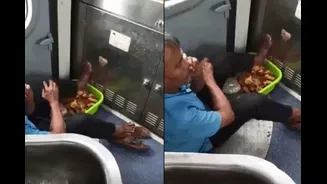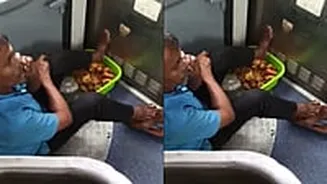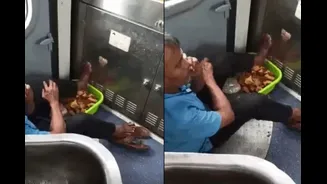






A viral video showing railway catering staff allegedly washing utensils in a train toilet has triggered widespread outrage among passengers and raised
serious questions about food safety standards in Indian Railways services. The clip has not only shocked viewers but also pushed the Food Safety and Standards Authority of India (FSSAI) to issue a notice to IRCTC, seeking clarification over the incident.
The incident has sparked a larger debate about hygiene monitoring, passenger trust, and accountability in one of India’s most widely used public transport systems.
Viral Video That Triggered Nationwide Concern
The controversy began after passengers and social media users shared a video showing utensils allegedly being cleaned in an unhygienic manner inside a train toilet area. The visuals quickly spread across platforms, drawing strong reactions from viewers who questioned how food served onboard trains is prepared and handled.
Many users expressed shock and discomfort, saying the incident raised doubts about the safety of meals served during long-distance journeys. For several passengers, the video was not just disturbing, it felt like a breach of basic hygiene expectations.
The strong public reaction highlights how sensitive food safety issues become when linked to travel and public services.
Food Safety Concerns Take Center Stage
Following the viral circulation of the video, FSSAI issued a formal notice to IRCTC, asking for an explanation and immediate action regarding the reported lapse in hygiene standards.
Food safety experts say such incidents can severely damage public trust, especially in mass catering systems where passengers depend entirely on service providers for safe meals during travel.
Experts also point out that railway catering involves multiple outsourced vendors, making monitoring and enforcement of hygiene protocols more complex.
This complexity often raises concerns about whether existing checks are strong enough to prevent such lapses.
Passenger Trust Under Pressure
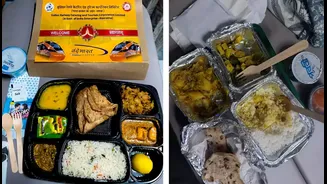
For millions of train passengers in India, IRCTC meals are an essential part of long journeys. While many passengers rely on onboard catering for convenience, incidents like this can quickly shake confidence.
Social media reactions show a common sentiment, passengers are now questioning not just one incident, but the overall cleanliness and monitoring system behind railway food services.
Some users expressed concern that if such practices are visible in public videos, there may be other hygiene issues that go unnoticed.
This growing uncertainty reflects how trust in public services can be fragile and easily impacted by viral incidents.
Social Media Amplifies Accountability
In today’s digital environment, public grievances often gain visibility only after going viral online. This case is another example of how social media can force institutional responses.
The rapid spread of the video led to immediate public outrage and regulatory attention, highlighting the role of digital platforms in holding service providers accountable.
However, it also raises a question should systems depend on viral exposure to ensure basic compliance, or should strong internal monitoring already be in place?
IRCTC and Vendor Responsibility Under Scrutiny
Railway catering services are often managed through a combination of IRCTC oversight and private vendors. This structure has frequently been discussed in debates around accountability.
Experts suggest that while outsourcing improves scale and reach, it also increases the need for strict supervision and regular audits.
In this case, the focus has now shifted to whether existing monitoring systems were adequate and whether preventive measures were effectively implemented.
The FSSAI notice indicates that authorities are seeking clarity not only on the incident but also on compliance procedures followed by service providers.
Why Hygiene Issues Hit a Nerve With Passengers
Food safety is deeply personal. Unlike delays or comfort issues, hygiene directly affects health and safety, making public reaction more emotional and immediate.
For many passengers, train travel is already associated with long hours, limited options, and dependence on onboard services. Any doubt about food safety adds to travel stress.
This is why such incidents often lead to stronger reactions compared to other service complaints.
A Bigger Question on Public Service Standards
Beyond the viral video, the incident highlights a broader concern about quality control in large public service systems. With millions of meals served daily across Indian Railways, maintaining consistent hygiene standards is a major challenge. However, experts say that scale cannot be an excuse for lapses in basic safety protocols.
The issue now being discussed is whether monitoring systems are keeping pace with operational scale and passenger expectations.
Closing Note: Trust Must Be Built Beyond Viral Moments
The viral video and subsequent FSSAI notice to IRCTC have once again placed railway catering hygiene under public scrutiny. While authorities respond to specific incidents, passengers continue to seek long-term assurance of safety and cleanliness.
In systems serving millions daily, trust is built not only through action after complaints, but through consistent standards that prevent such concerns from arising in the first place.