
In recent years, detox diets, cleanses, and juice fasts have gained immense popularity, promising to cleanse the body of toxins, improve health, and promote
weight loss. With a variety of products available on the market, from detox teas to elaborate juice cleanse regimens, the allure of detoxification has captured the attention of many. However, while these cleanses are widely marketed, the science behind them remains controversial. This article explores what science says about detox diets and their effectiveness, shedding light on whether these cleanses are truly beneficial or just a passing trend.
The Body’s Built-In Detox System
The concept of "detox" suggests that our bodies need external help to rid themselves of harmful toxins. However, our bodies are equipped with highly effective natural systems designed to filter and eliminate toxins—primarily the liver, kidneys, lungs, and digestive system. These organs work continuously to process and expel waste products and toxins that accumulate in the body.
The liver, for example, plays a key role in breaking down harmful substances, including drugs, alcohol, and metabolic waste, while the kidneys filter out toxins and excess waste through urine. The digestive system eliminates solid waste, and the lungs help expel gases, including carbon dioxide. Because of these systems, there is little scientific evidence to suggest that external detox products or cleanses are necessary for removing toxins from the body.
The Claims Behind Detox Diets
Detox diets often claim to offer various health benefits, such as improved digestion, clearer skin, weight loss, enhanced energy, and a reduction in bloating or inflammation. These claims are based on the assumption that toxins are being stored in the body and need to be flushed out. In reality, most of the benefits people experience during a cleanse are likely due to temporary changes in diet or hydration, rather than the actual removal of toxins.
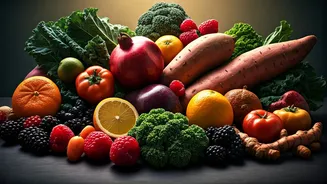
For example, many detox diets encourage the consumption of whole foods, fruits, vegetables, and water, which can lead to increased hydration and a higher intake of vitamins and minerals. This, in turn, can lead to improved energy levels and digestion. However, these positive effects are typically a result of the dietary changes themselves rather than any specific "detox" process.

Juice Fasts and Cleanses: A Closer Look
One of the most popular forms of detox is the juice cleanse, which often involves consuming only fruit and vegetable juices for a set period. While juice fasts can result in temporary weight loss, they are not sustainable or healthy in the long term. These cleanses are typically low in protein and healthy fats, which are essential for the body’s metabolic processes and overall health.
Juice cleanses can also lead to nutrient imbalances, as they often lack important nutrients such as fiber, healthy fats, and certain vitamins and minerals. Additionally, fruit juices can be high in sugars, which can spike blood sugar levels and lead to energy crashes. The short-term weight loss seen during juice cleanses is often due to calorie restriction and water loss, rather than fat loss, and the weight is typically regained once normal eating habits are resumed.
The Placebo Effect and Detox Claims
Another factor contributing to the perceived effectiveness of detox diets is the placebo effect. When people believe they are doing something beneficial for their health, they may experience positive changes due to their expectations. The act of "detoxifying" can make individuals feel more energized or healthier simply because they believe they are taking steps toward improving their well-being.
Moreover, many detox products contain caffeine, herbal stimulants, or laxatives, which can lead to temporary feelings of increased energy or weight loss. These effects are often short-lived and are not related to any real detoxification process but rather to the diuretic or stimulant properties of the ingredients. Once the effects of these substances wear off, people may find that the benefits of the cleanse quickly dissipate.
The Science Behind "Toxins" and Cleansing
The concept of "toxins" used in detox marketing is often vague and poorly defined. While it is true that the body is exposed to environmental toxins, pollutants, and chemicals, most of these substances are processed and eliminated by the body’s natural detox systems. In fact, many of the substances touted as "toxins" in detox products, such as heavy metals or environmental pollutants, are unlikely to be effectively removed by dietary cleanses. For example, the liver and kidneys filter out harmful substances in the body, but they are not significantly impacted by external dietary cleanses.
Additionally, the idea that we are constantly accumulating dangerous toxins in our bodies is not supported by scientific evidence. The body has evolved to deal with environmental stressors, and unless there is a specific medical condition (such as kidney or liver disease), the body is generally quite effective at processing and eliminating toxins on its own.
Healthier, Sustainable Alternatives to Detox Diets
Rather than relying on fad detox diets, the most effective way to support the body’s natural detox systems is by adopting a balanced, nutrient-dense diet, staying hydrated, and maintaining an active lifestyle. Consuming a variety of whole foods—fruits, vegetables, lean proteins, whole grains, and healthy fats—provides the necessary nutrients for the body’s detox processes to function optimally.
Exercise is another key factor in supporting detoxification. Regular physical activity helps improve circulation, promotes healthy digestion, and supports the detoxification process by stimulating sweat glands and boosting metabolism. Drinking plenty of water and getting enough sleep are also essential for overall health and support the body’s natural ability to flush out waste.
Conclusion
While detox diets and cleanses may offer short-term benefits like increased hydration and improved digestion, they are not necessary for the body’s natural detoxification process. The liver, kidneys, and other organs work continuously to remove waste and toxins without the need for external cleanses. The science behind detox diets often lacks substantial evidence, and many of the claims associated with these diets are overstated or based on temporary effects. Instead of relying on trendy cleanses, adopting a balanced, sustainable approach to diet and lifestyle is the most effective way to support the body’s natural detox systems and maintain overall health.