





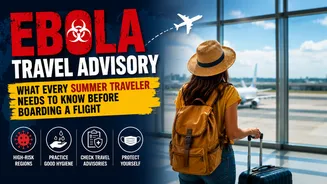


India’s latest advisory asking citizens to avoid non-essential travel to Ebola-affected countries has triggered fresh concern among international travellers.
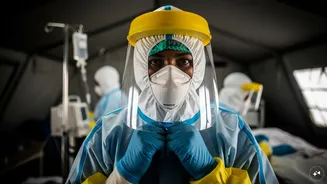
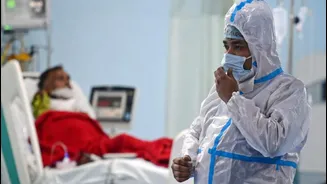
The advisory comes after the World Health Organization raised alarm over the ongoing Ebola outbreak in parts of Africa. Indian authorities have also increased surveillance for passengers arriving from or transiting through affected regions.
While health experts say there is no reason for panic, the news has made many travellers anxious, especially after the emotional impact of the Covid-19 pandemic.
For several people planning holidays, student travel, business trips, or international transit journeys, one question is now becoming common: “Is it still safe to travel?”
Why Travellers Are Feeling Nervous Again
For many Indians, global disease outbreaks no longer feel like distant international news. After Covid, people have become far more sensitive to: airport advisories, health screenings, and reports of infectious diseases spreading across countries.
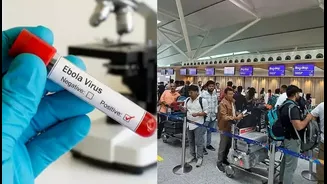
The word “Ebola” itself often creates fear because of its serious reputation and past outbreaks. Even travellers not visiting affected countries directly are worried about: transit airports, connecting flights, and crowded international terminals. Several people online have said the advisory immediately reminded them of the uncertainty and anxiety seen during the pandemic years.
Transit Safety Is Becoming a Major Concern
Experts say modern international travel makes people more conscious about how connected the world has become. Passengers travelling to Europe, the Middle East, or Africa may pass through multiple airports during one journey.
This has led many travellers to question: whether transit exposure could increase health risks. Health experts, however, stress that Ebola does not spread as easily as airborne viruses like Covid-19.
The disease mainly spreads through direct contact with bodily fluids of infected individuals. Still, airport screenings and health monitoring have increased caution among travellers.
Families, Students and Business Travellers Are Reconsidering Plans
Travel agents and online discussions show that some people are already becoming more cautious about international travel plans. Parents sending children abroad for education are paying closer attention to: transit routes, airport safety measures, and health advisories.
Business travellers are also checking whether meetings can be shifted online instead of requiring physical travel. Experts say advisories often create uncertainty even when actual risk remains limited. For many people, the emotional memory of travel restrictions during Covid still feels fresh.
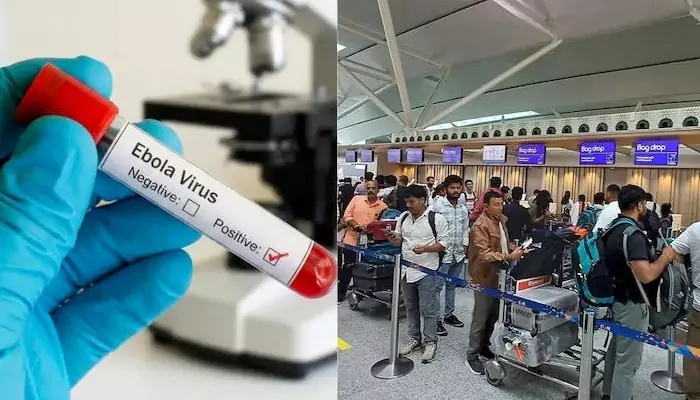
What Experts Say Travellers Should Actually Do
Health experts emphasize that awareness is more important than panic. Travellers are being advised to: follow official government advisories, monitor symptoms carefully, maintain hygiene, and avoid misinformation online.
Experts also say passengers should not depend on viral social media posts for medical guidance. Those travelling internationally are encouraged to: check transit routes, stay updated on airline rules, and report symptoms honestly if they feel unwell.
Authorities have also strengthened health surveillance systems at airports as a precautionary measure.
Social Media Is Amplifying Fear Faster Than Before
Experts say outbreak-related news spreads much faster today because of social media. Within minutes, headlines about global health emergencies can trigger: panic searches, travel anxiety, and misinformation online.
Many people now react emotionally to disease news because of what they experienced during the pandemic. This emotional sensitivity is one reason why Ebola headlines are receiving strong public attention even outside affected regions.
Public Health Alerts Feel More Personal After Covid
Before Covid, many people treated international outbreaks as distant problems. Today, health alerts feel far more personal.
Travellers are more aware of: screenings, masks, hygiene, symptoms, and global disease monitoring than ever before.
Experts say this increased awareness is not necessarily negative as long as it does not turn into unnecessary fear.
Closing Note: Awareness Matters More Than Panic
India’s Ebola travel advisory has clearly made many international travellers more cautious. But health experts continue to stress that responsible awareness, not panic, is the best response.
For travellers already shaped by the experience of Covid, the latest advisory is also a reminder of how closely connected global health and everyday travel have become.