



Here are today’s most important updates from the realm of Science and Space.
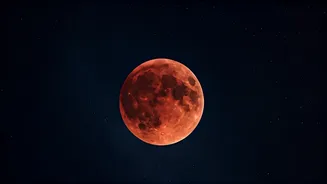
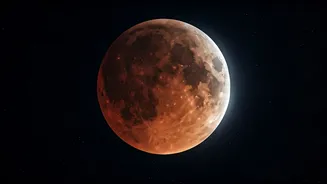
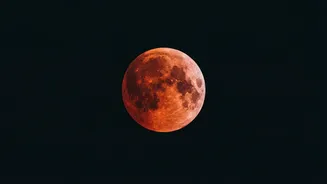
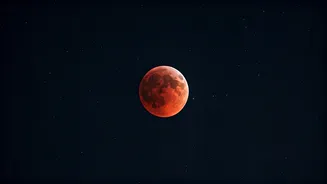
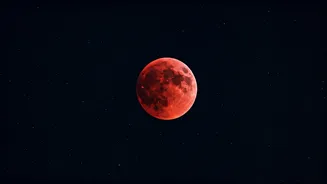
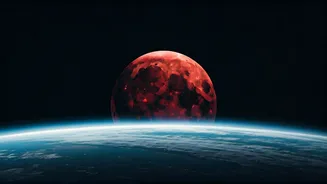
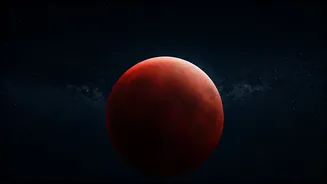
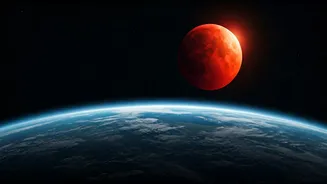
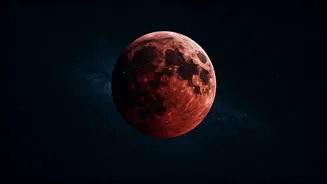
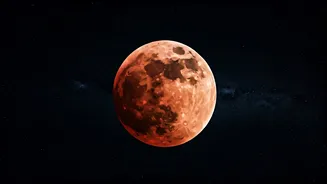
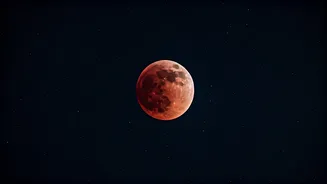
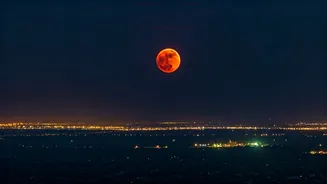
Chandra Grahan 2026: Why the Universe is Hiding Holi's Blood Moon
A total lunar eclipse is coming 🌕 🌏 ☀️ In the early morning hours of March
3, 2026 (UTC), the full Moon will pass through Earth’s shadow, reddening the lunar surface. Here’s what you need to know: https://t.co/3yyVsE22An Credit: NASA’s Scientific Visualization Studio pic.twitter.com/D091JHDdqd
— NASA Solar System (@NASASolarSystem) February 24, 2026
(@NASASolarSystem/X)
A cosmic twist for Holi eve - though the universe is playing hide and seek.
It is almost poetic, isn't it? On March 3, right as we're piling wood for Holika Dahan, the cosmos casually throws a Blood Moon into the mix. Yep, 2026's first total lunar eclipse lands squarely on the festival of colors.
But there is a slight catch. Will we actually witness this crimson spectacle from our Indian rooftops?
Honestly, the chances are incredibly slim. The main event (totality hits between 4:34 and 5:33 PM IST) happens while our side of the planet is still completely sunlit. Stargazers in East Asia and Australia grab the prime viewing spots today. By the time that moon finally edges over our horizon in the evening, the celestial show is essentially finished.
Still, it remains undeniably fascinating knowing a glowing red moon hides up there while our festive bonfires burn below.
Metallic Rain: What Actually Happens When a SpaceX Rocket Melts in the Sky?
What happens when thousands of old satellites finally fall back to Earth?
So, here’s a rather fascinating twist in the modern space boom. For the very first time, scientists actually watched a SpaceX Falcon 9 rocket dissolving during reentry, and they spotted something quite unexpected. It left behind a massive cloud of lithium - roughly ten times the usual atmospheric levels - just drifting high above Germany.
Honestly, it is a wild engineering marvel that we have nearly 10,000 satellites orbiting us right now. But since most of these devices simply burn up after five years, they end up sprinkling vaporized metals like aluminum into the stratosphere. Researchers writing in Communications Earth and Environment suspect this metallic dust might interact with the ozone layer. It seems tracking this sky-high exhaust will become a crucial new task for meteorologists, especially considering every single probe we launch eventually has to come down.
The Ice Age Code: Inside Our Ancestors' Pocket-Sized Hard Drives
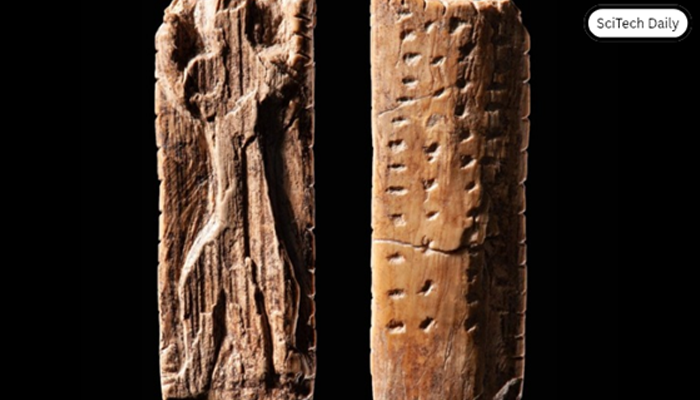
Our ancestors were coding data long before the microchip.
We've always had this deep urge to leave a mark against the void, haven't we? Long before formal scripts, about 40,000 years ago, early humans were busy scratching rhythmic dots and crosses onto mammoth ivory.
It wasn't just random cave doodling. A recent study actually ran 3,000 of these Ice Age etchings through modern AI models. The verdict? Astonishingly, these ancient sequences pack the exact same informational density as proto-cuneiform - the Mesopotamian writing that popped up a staggering 30,000 years later.
They carried these pocket-sized carved figurines everywhere. Sure, we still have absolutely zero clue what those repetitive little notches actually mean. But it clearly proves the human obsession with encoding data didn't start with modern tech. It started in the palm of a Stone Age crafter's hand.
Chasing the Glow: The Minivan That Finally Proved Trees Spark During Storms
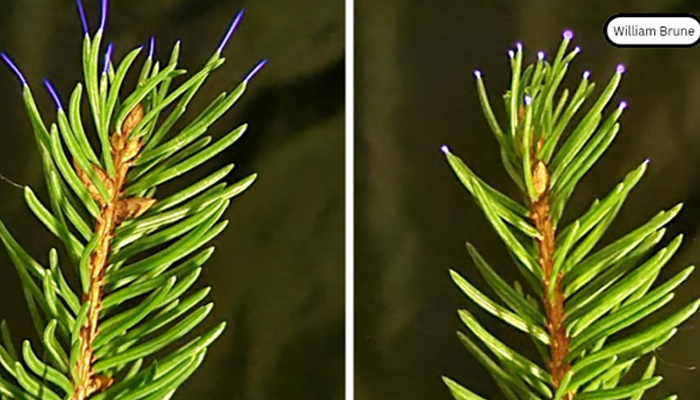
When thunderstorms roll in, the trees actually start sparking.
You know that heavy tension right before a monsoon downpour? The canopy feels it. Literally, they do. For decades, scientists suspected storm clouds might coax faint blue sparks - coronae - out of treetops. But proving it outside a lab? Nearly impossible.
Until some researchers rigged up a 2013 Toyota Sienna. Patrick McFarland's Penn State crew strapped a sensitive UV camera to this rather ordinary minivan, successfully chasing volatile storms up the coast to hunt for elusive evidence. And they finally caught it. During one squall, they logged 41 glowing bursts dancing across leaves in ninety minutes.
It’s wild - sparks literally hop between swaying branches! I suppose it’s dangerous, since repeated miniature zaps could fry their cell membranes over time. Perhaps this invisible, ultraviolet light show actually forces our forests to evolve differently just to survive the electrical onslaught.