





The End of the 'Skinny' Era
For decades, the dominant fitness narrative, particularly for women, revolved around getting smaller. Workouts were a means to an end: burn calories, shrink dress sizes, and achieve a lean, often delicate, physique. Cardio was king, and weight rooms were frequently
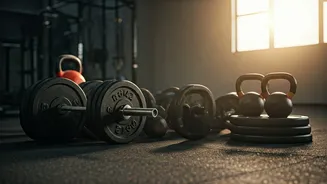
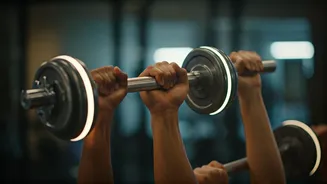
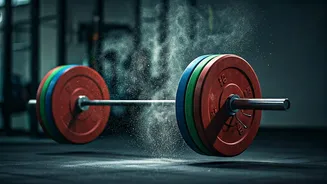
seen as a male-dominated space. But that paradigm is crumbling. The mantra “strong is the new skinny,” once a niche slogan on empowerment T-shirts, has become the default setting for a new generation of fitness enthusiasts. Today, conversations are less about the number on the scale and more about the weight on the barbell. This isn't just an aesthetic preference; it's a fundamental redefinition of what it means to be fit. The goal is no longer just to look a certain way, but to feel capable, powerful, and resilient.
Healthspan Over Lifespan
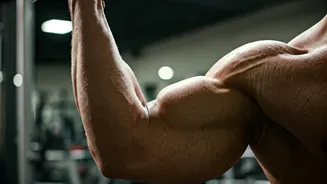
A significant driver of this muscle-centric movement is the growing mainstream interest in longevity and “healthspan”—the period of life spent in good health. Scientific research has moved from academic journals to TikTok explainers, highlighting the profound benefits of muscle mass. More muscle improves metabolic health by enhancing insulin sensitivity, which can help regulate blood sugar and reduce the risk of type 2 diabetes. It boosts your resting metabolic rate, meaning you burn more calories even when you're not working out. Perhaps most critically, muscle and strength training are essential for maintaining bone density and mobility as we age. People are realizing that building muscle in their 20s, 30s, and 40s is a direct investment in their ability to live an active, independent life in their 70s, 80s, and beyond. It’s a shift from short-term aesthetic goals to a long-term strategy for aging well.
The Influencer Effect
You can’t discuss a modern cultural trend without looking at social media. Platforms like Instagram and TikTok have been instrumental in popularizing strength training. A new archetype has emerged: the fitness influencer who proudly shows off their muscular physique and deadlift personal records. Trends like the #MuscleMommy hashtag celebrate women who are unapologetically strong and muscular, dismantling the old fear that lifting heavy weights would make them “bulky.” These creators provide more than just visual inspiration; they offer practical workout guides, nutrition tips for muscle growth (like prioritizing protein), and a sense of community. By demystifying the weight room and showcasing the tangible results of strength training, they have made building muscle feel accessible and desirable to a much broader audience, including millions of women who were previously marketed low-impact, low-weight workouts.
More Than a Physical Transformation
The obsession with muscle is also deeply tied to its psychological benefits. There is a unique and profound sense of accomplishment that comes from getting physically stronger. Unlike the often frustrating and unpredictable process of weight loss, strength training provides clear, measurable progress. Lifting a weight you couldn’t lift last month is an undeniable victory. This translates directly to a feeling of empowerment that extends beyond the gym. People who strength train often report increased confidence, improved body image, and a greater sense of self-efficacy. In a world that can feel chaotic and out of our control, building physical strength offers a tangible way to take charge of one’s own body and well-being. It’s an act of becoming more resilient, not just physically, but mentally.