








A Gut Feeling Goes Global
In the bustling, digitally-connected cities of Mumbai, Bangalore, and Delhi, a new wellness mantra is taking hold among millennials and Gen Z: gut health. The conversation, familiar to anyone who’s navigated the probiotic aisle in an American supermarket,
revolves around the microbiome, inflammation, and digestive well-being. But in India, this isn't simply a case of importing a Western trend. Instead, it’s a fascinating convergence of global wellness discourse, fueled by social media, and a profound rediscovery of the country’s own ancient food traditions. Young, urban Indians, armed with smartphones and a growing disposable income, are increasingly skeptical of processed foods and are seeking out solutions that feel both scientifically valid and culturally authentic. They are driving a movement that feels at once globally current and deeply rooted in Indian heritage.
Old Wisdom, New Branding
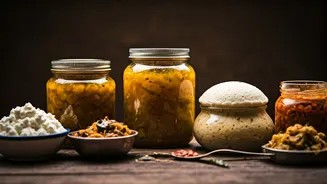
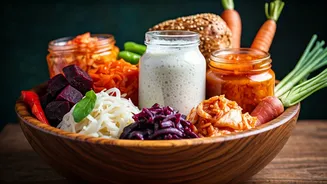
For centuries, Indian households have championed foods that are naturally beneficial for digestion. The humble bowl of homemade *dahi* (yogurt) served with meals is a daily probiotic. Fermented drinks like *kanji*, a pungent beverage made from black carrots, have long been a seasonal staple in the north. The difference today is the language and intention. What was once just 'what grandma made' is now being understood through the modern scientific lens of prebiotics, probiotics, and gut flora. Ayurvedic principles, which have long spoken of *agni*, or the digestive fire, as the cornerstone of health, are finding a new, receptive audience. This generation isn't just following tradition blindly; they are using Instagram infographics and wellness blogs to connect the dots between an Ayurvedic concept and a peer-reviewed study on gut bacteria. It’s a rebranding of ancestral knowledge for the 21st century.
Beyond Kombucha and Kimchi
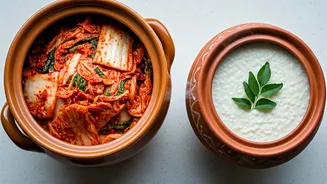
While kombucha has certainly found a niche market in metropolitan India, the real stars of this movement are local. This focus on indigenous ingredients is a point of pride. Instead of kimchi, you might find a renewed appreciation for the complex, fermented pickles (*achar*) made with a dizzying array of spices and methods, each with its own regional identity. Rice-based ferments from the south, like *pazhaya sadam* (fermented leftover rice), are being hailed as superfoods. This revival is about more than just health; it's a quiet form of culinary patriotism. It represents a generation looking past global monoculture to find value and wellness in the foods that are native to their own soil, foods that their parents and grandparents might have started to leave behind in the rush toward modernization and convenience.
The Business of the Biome
Where a trend blossoms, a market is born. A new wave of Indian startups is catering directly to this gut-conscious consumer. These aren't large, faceless corporations, but small-batch producers selling artisanal-style fermented drinks, probiotic-rich snacks, and even gut health-focused meal plans. They use slick, minimalist packaging and tell their story on social media, appealing directly to a younger demographic that values transparency and authenticity. These businesses are successfully positioning traditional Indian foods as premium wellness products. By doing so, they are not only creating a vibrant new sector in the food industry but are also acting as cultural educators, teaching a new generation to see their culinary heritage not as old-fashioned, but as a sophisticated tool for modern health.