





The First Frame: A World Apart
To stay in a traditional Punjabi haveli is to trade the modern world for a historical vignette. These ancestral mansions, tucked away in the labyrinthine lanes of Amritsar, were once the homes of wealthy merchants and noble families. Today, many have been
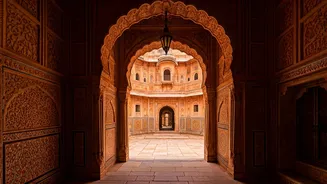
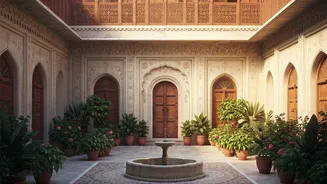
meticulously restored and converted into boutique guesthouses, offering a portal not just to a place, but to a time. The transition is breathtakingly abrupt. One moment you are navigating a crowded, sensory-rich streetscape, the next you are standing in a serene central courtyard—the *aangan*—open to the sky. The air cools. The noise is replaced by the gentle trickle of a fountain or the rustle of leaves from a solitary tree. It’s a classic cinematic establishing shot: the protagonist steps from one world into another, and the real story begins.
Architecture as Character
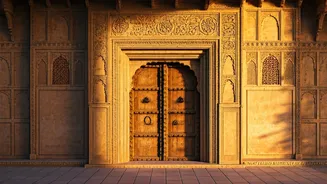
Every element of a haveli feels like deliberate set dressing, rich with narrative. These are not stark, minimalist hotels; they are characters in their own right. The walls, often several feet thick, are painted in deep ochres, indigos, and faded turquoises, bearing the patina of age. Sunlight streams through ornate *jharokhas*—enclosed balconies with intricate latticework—casting geometric patterns on the floor that shift as the day progresses. You’ll find yourself running your hands over exquisitely carved door frames and admiring the floral motifs in faded frescoes or colorful tilework. The architecture is designed for a pre-air-conditioning era, with high ceilings and cross-ventilation from the courtyard creating a natural coolness. Each room, connected by shaded verandahs, feels like a private discovery, a new scene waiting to be entered.
A Day in the Life of the Film
The experience of staying in a haveli is defined by its rhythm. Mornings don’t start with a shrill alarm but with the distant, melodic sounds of the *Gurbani* (Sikh hymns) drifting from the nearby Golden Temple. You might take your morning chai on a rooftop terrace, watching the city awaken below as kites dance in the sky. Breakfast—often a home-cooked Punjabi affair with parathas and fresh yogurt—is served in the courtyard, where you can watch the family that runs the haveli go about their daily rituals. The afternoons are for languid reading in a cushioned alcove, the air thick with the scent of history and marigolds. There’s a profound sense of place and presence. Unlike a generic hotel that could be anywhere in the world, the haveli constantly reminds you that you are in Amritsar, a city with a deep, resilient, and soulful history. You’re not just a tourist; you feel like a temporary resident, a guest in a grand, unfolding story.
The Supporting Cast: The City Itself
The haveli’s magic is magnified by its setting. Staying within the walls of the old city means Amritsar’s most iconic sights are part of your immediate neighborhood. A short, atmospheric walk takes you to the Golden Temple, the spiritual heart of Sikhism, or to the Jallianwala Bagh memorial, a site of deep historical significance. You can explore the city’s famous food stalls, sampling kulcha and lassi from vendors your hosts have known for generations. The haveli acts as your peaceful sanctuary and narrative anchor. After a day spent absorbing the intense energy of the city—the devotion at the temple, the poignant history, the vibrant markets—returning to the calm of the courtyard feels like a scene transition. It’s a moment to process, to reflect, and to appreciate the profound contrast that makes Amritsar so compelling.