


Beyond the Sad Salad
For years, the word “wellness” was synonymous with restriction. It conjured images of stark white kitchens, calorie-counting apps, and meals that prioritized ascetic purity over flavor and joy. The dominant philosophy was one of subtraction: no gluten,
no dairy, no sugar, no fun. But a significant shift is underway. Americans are growing weary of the wellness industrial complex and are instead turning toward something far more satisfying: authentic, traditional recipes. We’re not talking about a new, branded diet. We’re talking about your grandmother’s chicken soup, the lentil stew from a beloved cookbook, or the fermented vegetables central to a culture’s cuisine for centuries. This trend redefines healthy eating not as an absence of 'bad' ingredients, but as an abundance of whole foods, rich flavors, and cultural history.
The Backlash to the Wellness Machine
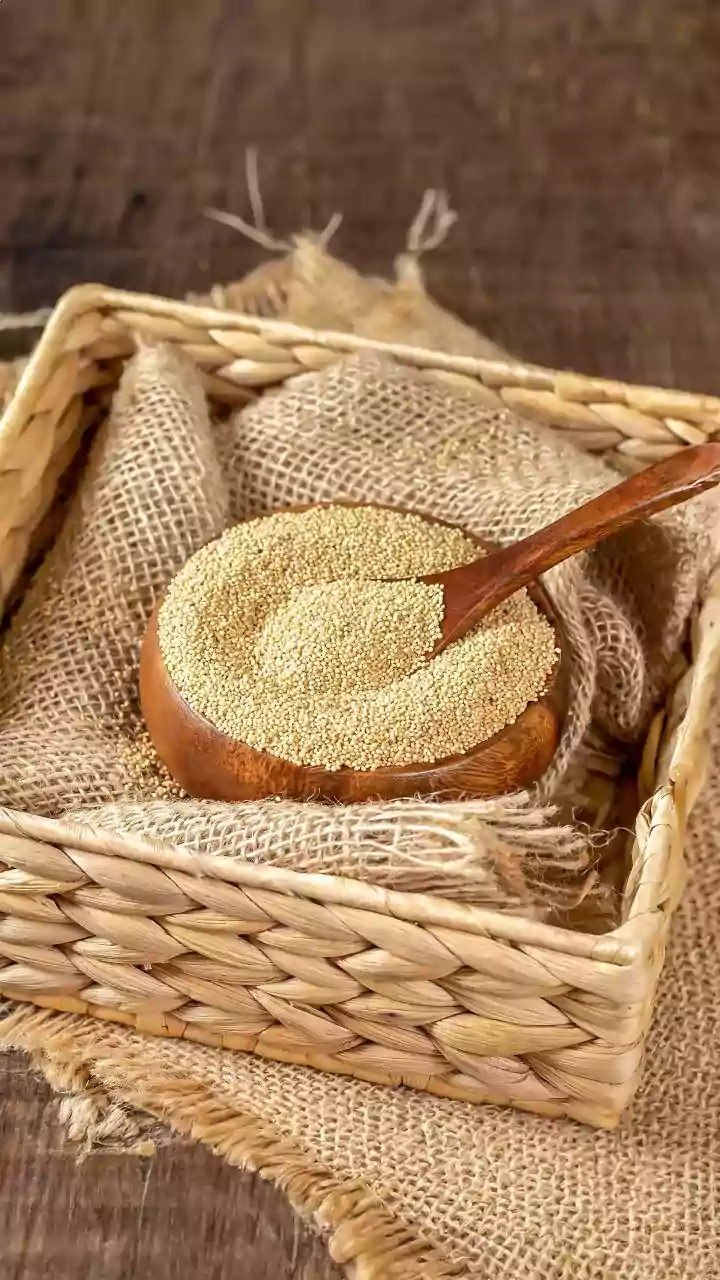
The return to heritage cooking is, in large part, a direct reaction against the commodified wellness of the 2010s. That era was defined by high-priced powders promising vague benefits, juice cleanses that ignored basic biology, and a 'clean eating' movement that often veered into disordered eating territory. Furthermore, this movement was frequently criticized for its cultural appropriation, taking ingredients like turmeric or quinoa, stripping them of their cultural context, and rebranding them as expensive superfoods for a select few. The backlash was inevitable. People grew tired of feeling like they had to buy their way to health. They craved a more grounded, accessible, and honest approach—one that didn’t require a subscription or a trip to a boutique grocery store.
Finding Health in Heritage
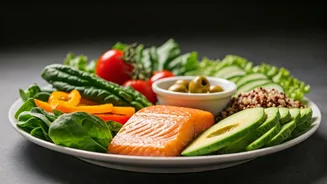
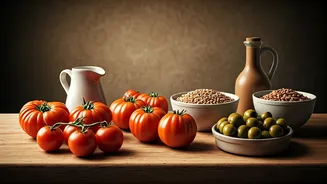
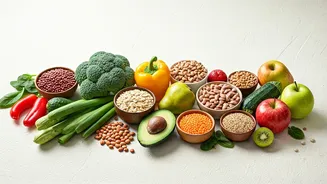
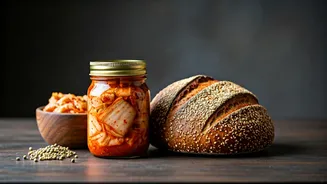
What makes this shift so powerful is that these traditional ways of eating are often inherently healthy, backed by generations of lived experience rather than a fleeting marketing campaign. Many of the world’s 'Blue Zones'—regions where people live demonstrably longer, healthier lives—rely on simple, plant-forward, and locally sourced diets. Think of the fiber-rich beans and corn of traditional Mexican cuisine, the gut-friendly fermented foods like kimchi in Korea, or the heart-healthy olive oil and vegetables of the Mediterranean diet. These aren't fads; they are sustainable nutritional frameworks that have nourished populations for centuries. They are rich in micronutrients, anti-inflammatory compounds, and fiber, all things modern science confirms are crucial for long-term health. Instead of demonizing carbs or fats, these foodways show how to incorporate them as part of a balanced, delicious whole.
A Story in Every Bite
Perhaps the most crucial element the old wellness model missed was the emotional and social component of food. A sterile, pre-portioned meal-kit is fuel; a pot of family-recipe chili simmering on the stove is connection. Cooking and eating authentic recipes ties us to our heritage, our families, and our communities. It’s an act of cultural preservation and personal identity. This approach nourishes the soul as much as the body. It replaces the anxiety of calorie counting with the joy of sharing a meal. On social media, where a decade ago influencers pushed appetite-suppressant lollipops, today’s rising food stars are teaching people how to make sourdough, fold dumplings, or perfect a classic Italian sugo. They are proving that the path to well-being can be delicious, meaningful, and deeply personal.