




The Thirst Is Real
To understand the electric energy of Gir National Park in late spring, you first have to understand the thirst. From April to mid-June, the sun relentlessly bakes the 545 square miles of teak forest and scrubland in Gujarat, India. Rivers shrink into
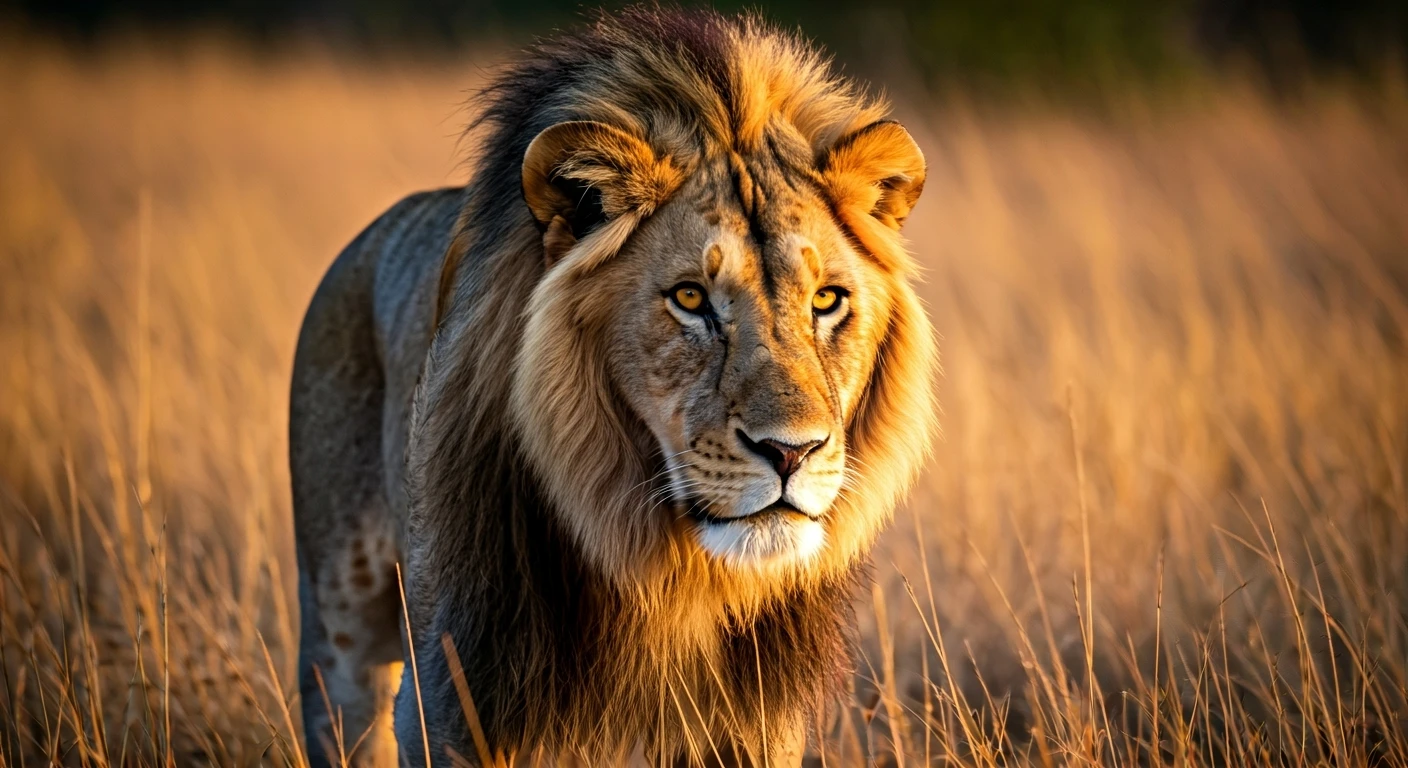
muddy trickles. Vegetation turns brittle and brown. For the park’s inhabitants, life narrows to a single, desperate focus: finding water. This is the secret behind the legendary lion sightings of the pre-monsoon season. Gir is the last wild home of the Asiatic lion, a slightly smaller, shaggier cousin to its African counterpart. During these scorching weeks, the lions—and virtually every other animal—are forced to congregate around the few remaining man-made waterholes. Instead of being dispersed across a vast, dense landscape, they are drawn to predictable locations. The drama of the wild, usually hidden, is suddenly playing out in plain sight. A pride of lionesses and their cubs, lazing in the shade a few feet from a water source, isn't just a lucky glimpse; it’s a strategic necessity for their survival.
The Final Frenzy
The animals aren't the only ones feeling the pressure. A hard deadline hangs over every safari: around June 15th, the park closes. The impending monsoon will render the dirt tracks impassable and give the forest a much-needed four-month reprieve from human activity. This creates a palpable sense of urgency, a ‘last chance’ frenzy for everyone involved. Safari jeeps kick up plumes of fine red dust as they race from one potential sighting to another. The guides, or ‘trackers,’ are at the peak of their powers, reading paw prints in the dirt and listening for the alarm calls of deer that signal a predator is near. Their radios crackle with clipped, urgent messages in Gujarati, sharing intel on the location of a pride. For tourists, many of whom have traveled across the world for this moment, the anticipation is sky-high. This isn’t a leisurely drive; it’s an active pursuit, a collective hunt for a glimpse of royalty. This shared mission, fueled by the ticking clock, is the ‘lion-chasing energy’ the park is famous for.
Gir's Supporting Cast
While the lions are undoubtedly the main event, the pre-monsoon stage is crowded with a stunning supporting cast. The scarcity of water makes for strange and wonderful gatherings. A massive sambar deer might be seen drinking cautiously, its eyes fixed on the same patch of shade where a leopard is rumored to be resting. Crocodiles, ancient and unmoving, guard the last pools of deep water. Flocks of vibrant green parakeets and the unmistakable call of a peacock add to the chaotic symphony. Gir is also one of the few places in India where you can find the Maldharis, a semi-nomadic pastoral community that has coexisted with the lions for centuries. Seeing their buffalo herds move through the same landscape as the big cats is a living lesson in coexistence. They are as much a part of Gir’s unique ecosystem as the crested serpent eagles circling overhead or the spotted owlets peering from a hollow tree. The focus on lions is understandable, but the true magic of Gir lies in the resilience of its entire, interwoven community.
Waiting for the Sky to Break
As the closing date nears, the atmosphere shifts again. The oppressive heat is now mixed with a heavy humidity. The sky, once a pale, bleached blue, begins to build with bruised-looking clouds. You can feel the change coming. The air smells of rain, even if none has fallen. The animals seem to sense it, too. There’s a finality to the sightings, a feeling that this entire, intense chapter is about to close. When the first downpour finally arrives, it’s transformative. The dust settles, the cracked earth drinks greedily, and a wave of vibrant green will soon sweep across the park. The lions, no longer tethered to the waterholes, will melt back into the rejuvenated wilderness. The frenetic energy dissolves, replaced by the quiet, steady rhythm of renewal. The gates will close, and Gir will be left to itself, a sanctuary restored.