
The Romantic Ideal vs. Reality
For many travelers, especially those heading to South Asia, Southeast Asia, or even the American Southwest, the monsoon isn't a nuisance to be avoided—it's the main event. It’s a season of renewal, a key part of the cultural and agricultural calendar
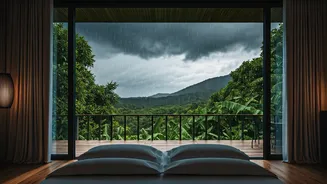
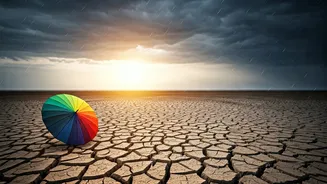
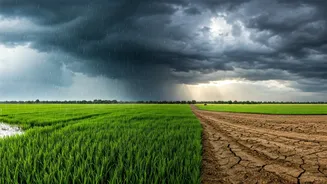
that transforms dusty, sun-baked landscapes into something out of a Kipling novel. Tourists plan trips around it, seeking moody, atmospheric photos, lower off-season prices, and a respite from the scorching pre-monsoon heat. The promise is one of cozying up with a book and a cup of tea while watching the world outside get a dramatic, daily washing. But climate variability means that a 'weak' monsoon, characterized by below-average rainfall, is becoming a more frequent reality. This doesn't mean no rain at all, but it often translates to shorter, less intense showers, delayed onset, or prolonged dry spells within the season itself. For a traveler chasing a specific 'mood,' this can be a significant bait-and-switch.
The Landscape: A Different Kind of Beauty
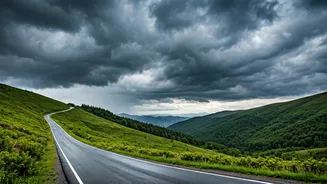
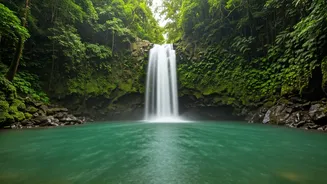
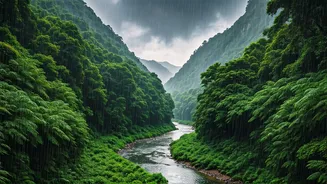
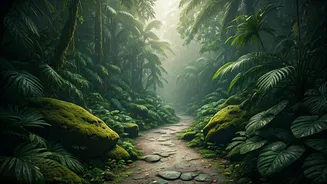
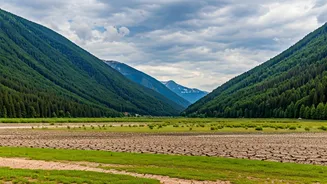
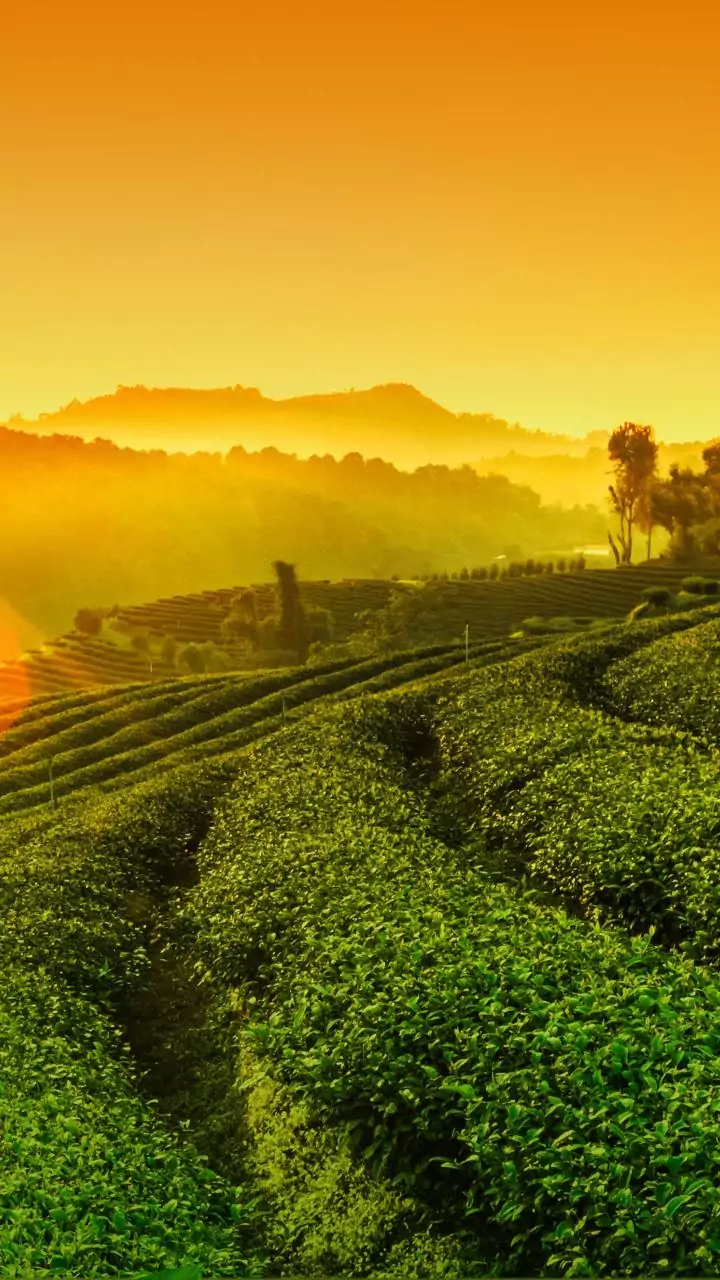
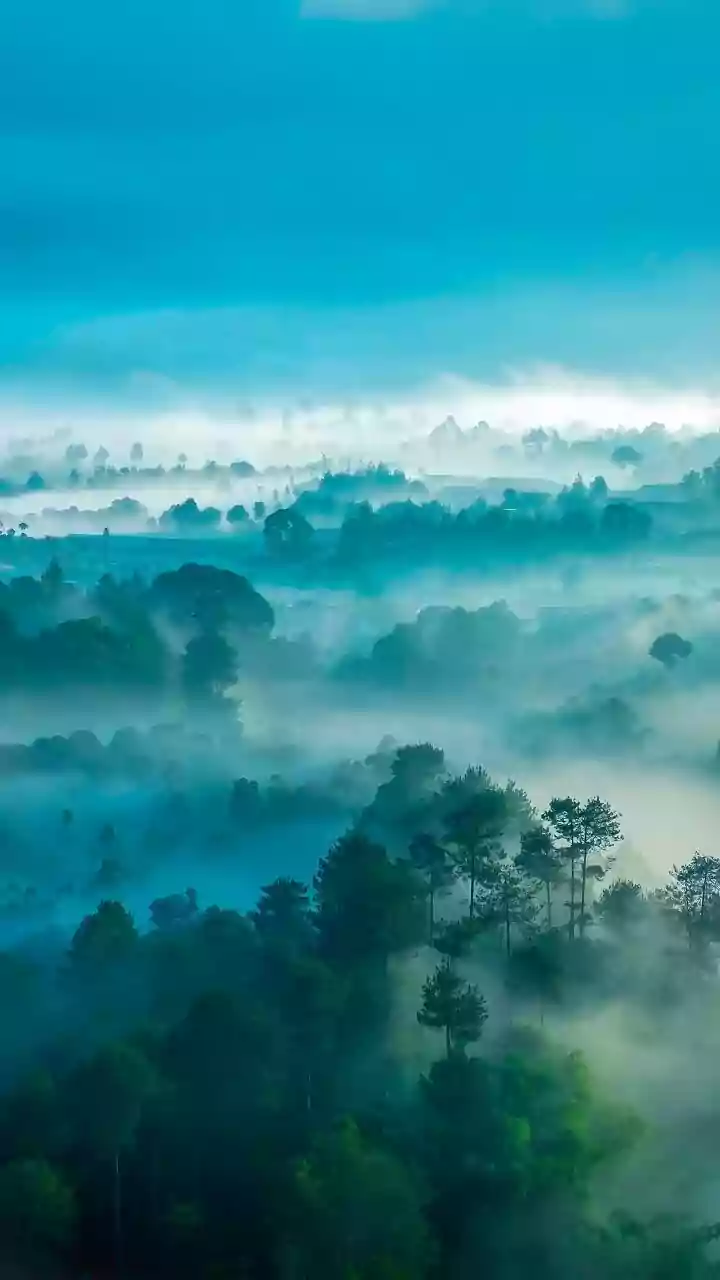
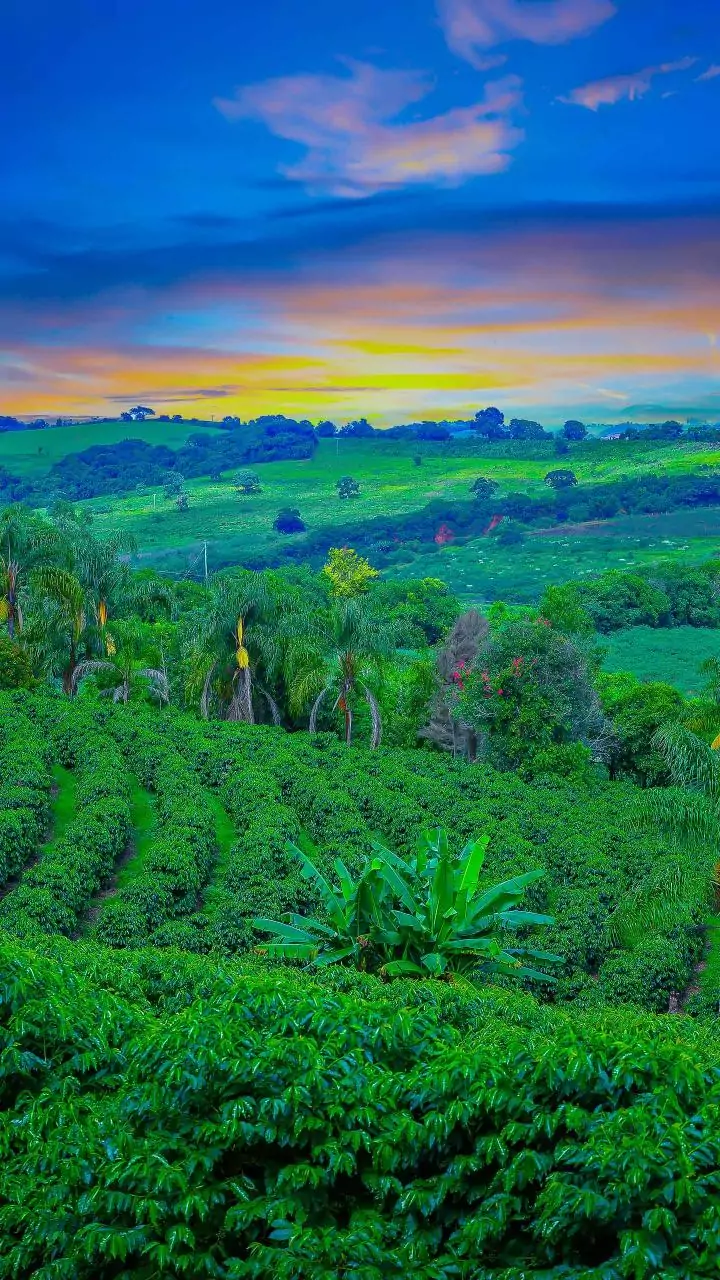
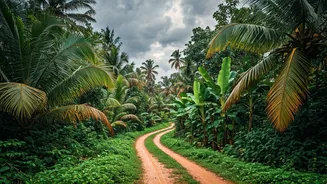
The most immediate impact of a weak monsoon is on the scenery. The iconic, almost impossibly vibrant green that carpets everything from mountainsides in Kerala to the valleys of Northern Thailand depends on consistent, heavy saturation. When the rains are sparse, that transformation is muted. The landscape might remain a mix of green and brown, more golden and sun-drenched than lush and dripping. Waterfalls that are typically thunderous torrents might be reduced to gentle trickles. While this might disappoint travelers who had their hearts set on misty, verdant vistas, it offers a different kind of beauty. Sunlight breaks through the clouds more often, illuminating scenes with a bright, clean light that’s rare during a heavy monsoon. It’s less brooding and atmospheric, perhaps, but no less photogenic. Instead of capturing the drama of the storm, you capture the beauty of the aftermath and the sunny interludes.
The Practical Upside: More Access, Fewer Hassles
Here’s the silver lining for the practical-minded traveler. A full-blown monsoon, for all its romantic appeal, can be a logistical headache. Heavy rains can lead to flash floods, landslides, and washed-out roads, particularly in rural or mountainous areas. Flights can be delayed, ferry services suspended, and hiking trails turned into impassable mud pits. A weaker monsoon season significantly mitigates these risks. With less rain, roads are more likely to remain open, allowing for more ambitious road trips and easier access to remote temples, viewpoints, and nature reserves. Outdoor activities that are normally off-limits, like trekking or beach-going, become viable options. You trade the atmospheric drama for a major gain in convenience and flexibility, allowing you to see and do more without being constantly at the mercy of the weather.
A Shift in the Local Vibe
For locals, the monsoon is far more than just weather; it's a lifeline. A strong, timely monsoon ensures a good harvest, replenishes drinking water supplies, and provides relief from oppressive heat. A weak one, however, can bring widespread anxiety. Farmers worry about crop failure, governments about water shortages, and everyone feels the persistence of heat that the rains were supposed to break. As a traveler, you may notice this subtle shift in the local mood. The jubilant, celebratory energy that often accompanies the first rains might be replaced by a more subdued, watchful waiting. This doesn't mean your trip will be a downer, but it's a crucial piece of context. It's a reminder that your travel experience is unfolding within a larger ecosystem where the stakes of the weather are infinitely higher. Being aware of this adds a layer of depth to your journey, transforming you from a mere tourist into a more conscious observer.
How to Adjust Your Plans
If you're traveling to a monsoon region during a potentially weak season, the key is to manage expectations and pack accordingly. Instead of packing for a constant deluge, adopt a more flexible, layer-based approach. Bring a light rain jacket, but also sunscreen, a hat, and sunglasses. Plan for warm, humid days with the possibility of an afternoon shower, not a full-day washout. Mentally, let go of the specific 'mood' you were chasing. Instead of being disappointed by the lack of rain, embrace the unexpected sunshine. A weak monsoon doesn't ruin a trip; it simply changes the script. You might not get the classic rain-soaked travelogue you imagined, but you might get a clearer view from the top of the mountain you were actually able to climb.