




The 'Impossible to Kill' Factor
Let’s start with the most compelling reason for their dominance: pothos and aloe are incredibly forgiving. For a generation juggling side hustles, demanding jobs, and busy social lives, the last thing anyone wants is a high-maintenance dependent. These
plants practically thrive on neglect. Forget to water your pothos for a week? It will droop dramatically to remind you, then bounce back moments after a drink. Leave your aloe in a dim corner? It might not grow as fast, but it will hang in there. This resilience makes them the perfect entry point for the 'plant-curious'—those who love the idea of a green thumb but are terrified of the commitment. They offer the reward of living decor without the punishing learning curve of fussier flora like fiddle-leaf figs or calatheas. In a world of high stakes, they are a refreshingly low-stakes way to make a house feel more like a home.
Aesthetic and Versatile
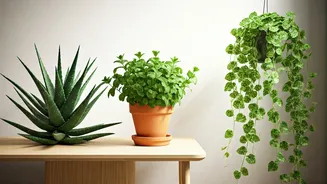
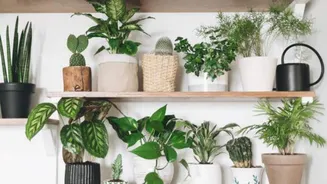
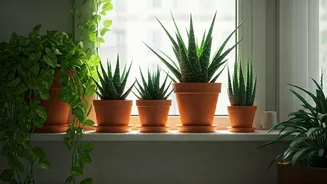
Beyond their hardiness, pothos and aloe are aesthetic chameleons. The pothos, with its heart-shaped leaves and cascading vines, is the ultimate shelf-styler. It can be trained to climb a wall, left to trail elegantly from a hanging basket, or draped across a bookshelf, instantly adding a touch of lush, bohemian charm. Its varieties, from the classic Golden Pothos to the speckled Marble Queen, offer subtle visual differences that suit any palette. Aloe, on the other hand, provides structure and architectural flair. Its spiky, upward-reaching leaves offer a clean, modern silhouette that contrasts beautifully with softer decor. It looks just as at home in a minimalist, Scandinavian-inspired space as it does in a Southwestern-themed room. Together, they cover the two primary visual desires for houseplants: one brings soft, flowing life, and the other adds a strong, sculptural element. They are the versatile basics of the plant world, like a great pair of jeans or a classic white tee for your apartment.
Wellness Without the Work
The indoor plant boom is intrinsically linked to the wellness movement. We’re constantly told that connecting with nature is good for our mental health, reducing stress and boosting mood. For apartment dwellers, a lush pothos vine is the closest they might get to a forest on a Tuesday. These plants provide a tangible, living connection to the natural world that doesn’t require a backyard. While claims about their air-purifying abilities are often traced back to a 1989 NASA study conducted in a sealed chamber, the psychological benefits are undeniable. The simple act of watering a plant, of watching a new leaf unfurl, can be a meditative, grounding ritual. Pothos and aloe deliver this dose of 'green wellness' without demanding much in return, making them an accessible form of self-care for even the busiest urbanite. They offer the feeling of nurturing something without the anxiety of potential failure.
The Social and Shareable Plant
You can’t talk about pothos and aloe without mentioning their incredible ability to multiply. Both plants are ridiculously easy to propagate. Snip a piece of pothos vine, place it in water, and in a few weeks, you’ll have a new, rooted plant ready for soil. Aloe plants produce “pups,” or small offshoots, that can be separated from the mother plant and repotted. This makes them inherently social and budget-friendly. Instead of buying a new plant, you can get a cutting from a friend. That housewarming gift you need? A propagated pothos in a cute pot is personal, sustainable, and practically free. This culture of sharing has helped their popularity spread organically through friend groups and communities. It transforms plant ownership from a solitary consumer activity into a communal hobby, creating a network of shared tips and shared greenery.