

The Backlash Against 'Overtourism'
For years, the unofficial goal of vacationing was to collect experiences like trading cards: Rome's Colosseum, the Great Wall of China, Machu Picchu. Social media supercharged this phenomenon, turning travel into a performative checklist. The proof you
were living your best life was a geo-tagged photo at a world-famous, and therefore world-crowded, landmark. But a quiet fatigue has been setting in. Travelers are growing weary of the 'Disneyland effect,' where historic sites feel more like theme parks, complete with hours-long queues, inflated prices, and a palpable sense of being herded. This exhaustion, coupled with a growing awareness of the negative impact of 'overtourism' on local communities and ecosystems, has sparked a rebellion against the travel mainstream. The ultimate flex is no longer proving you were there, but having an experience that wasn't shared with ten thousand other people.
A Post-Pandemic Recalibration
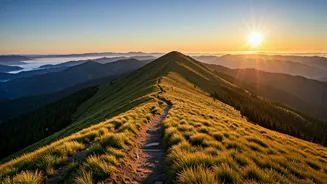
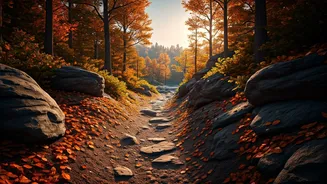
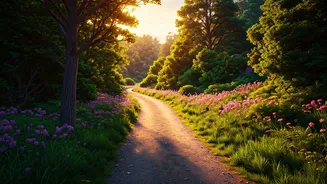
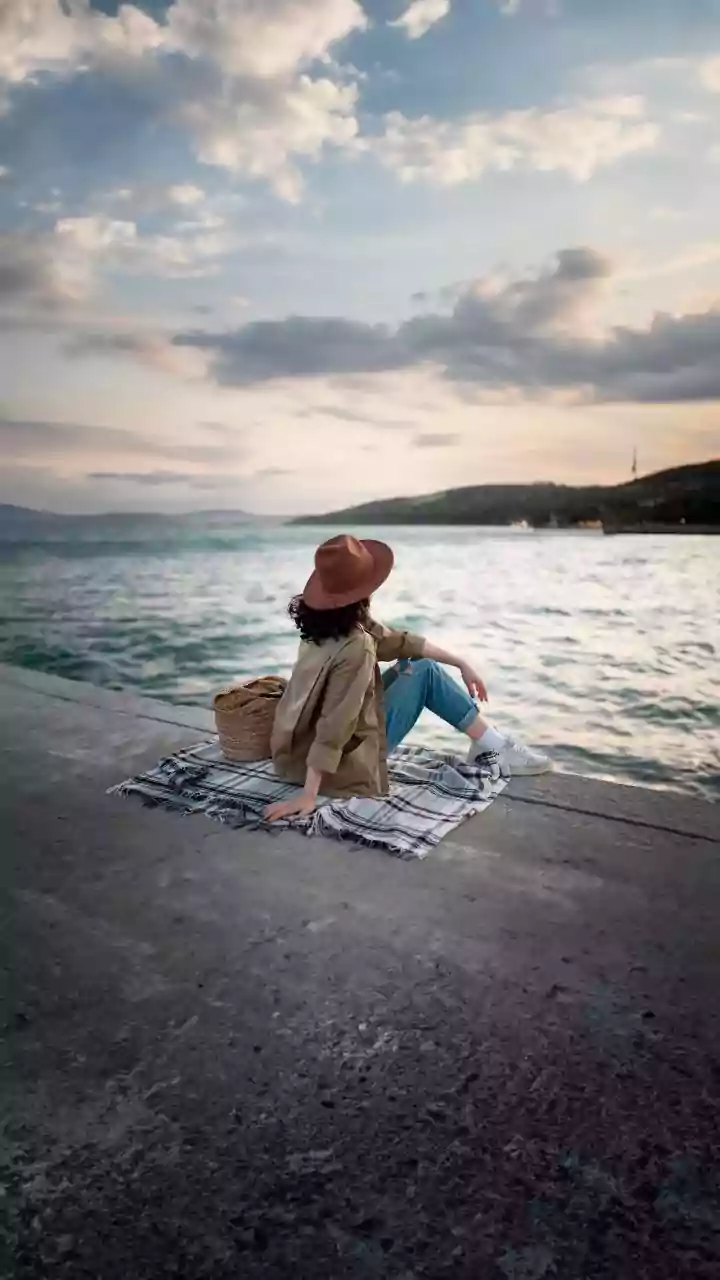
The global pause of 2020 was a forced reset, and it fundamentally changed our relationship with space and quiet. We were reminded of the simple pleasure of an empty park, an uncrowded hiking trail, or just the peace of our own backyards. As travel resumed, that newfound appreciation for solitude and authenticity came with us. People who spent months avoiding crowds at the grocery store were suddenly less inclined to voluntarily plunge into a sea of humanity for a vacation. This psychological shift has prioritized personal space, mental well-being, and genuine connection over bucket-list ticking. The question is no longer just 'Where can I go?' but 'Where can I go to actually relax and disconnect?' The answer, increasingly, is anywhere the crowds aren't.
Mastering the Art of the Shoulder Season
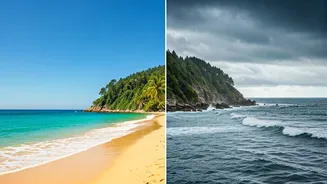
One of the most effective strategies for achieving crowd-free bliss is embracing the 'shoulder seasons'—the periods just before and after peak tourist season. Think Italy in October instead of July, or the Caribbean in May instead of December. For a long time, this was seen as a budget traveler’s compromise. Now, it’s a savvy strategist’s power move. Traveling off-peak doesn't just mean fewer people and often lower prices; it offers a more authentic glimpse into a destination. You're more likely to interact with locals who aren't overwhelmed by the tourist crush, the weather is often still pleasant, and the pace is infinitely more relaxed. You get the beauty of the place without the buzz of a thousand camera shutters, transforming a potentially stressful trip into a restorative one.
Discovering the 'Second City' Charm
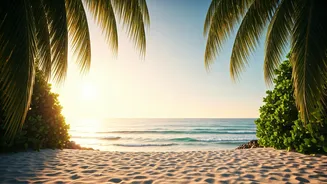
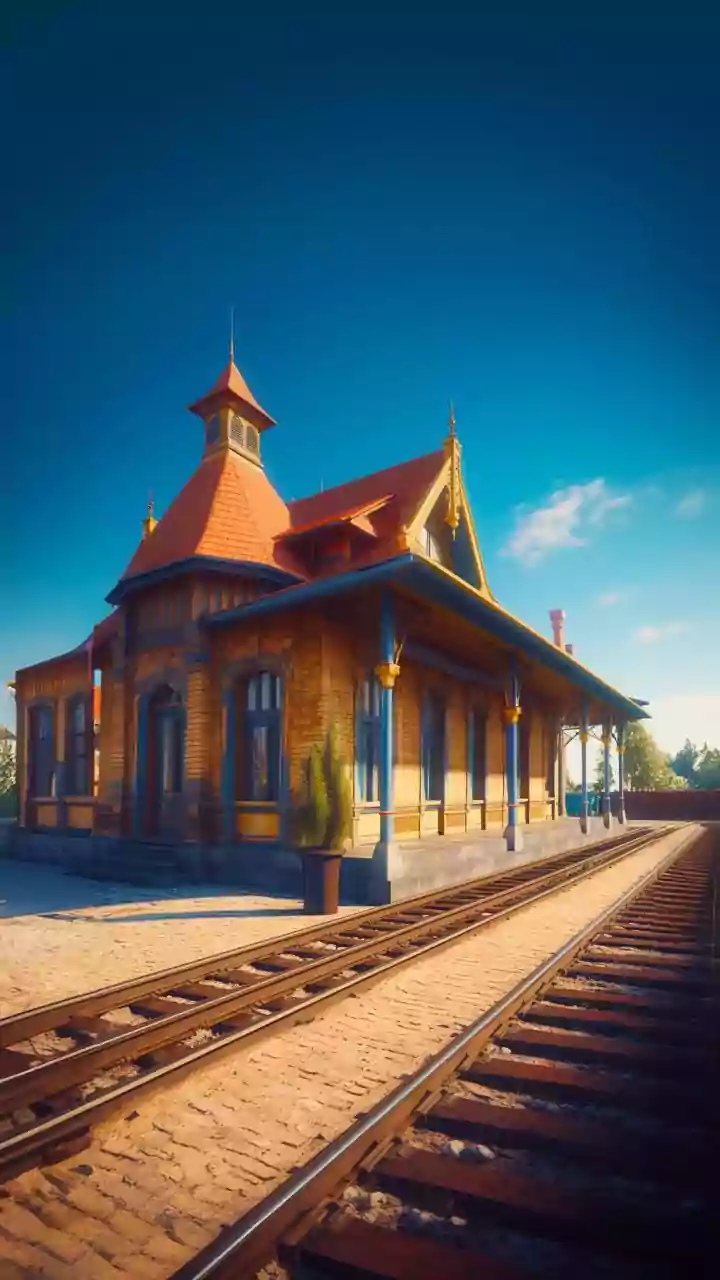
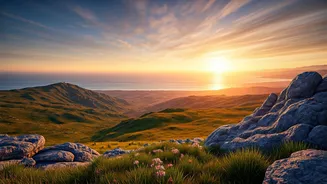
The new travel philosophy also involves a geographic shift. Instead of heading to the capitals and marquee cities, discerning travelers are exploring 'second cities' and overlooked regions. Rather than joining the masses in Paris, they're discovering the culinary scene in Lyon. Instead of fighting for a spot on a packed California beach, they're finding solitude in Oregon's dramatic coastline. This approach trades name recognition for genuine discovery. It’s about seeking out destinations that aren't optimized for mass tourism, where the best restaurant might be a place only locals know and the main attraction is the unspoiled atmosphere itself. This isn't about avoiding popular countries, but about exploring them more deeply, finding the hidden gems that lie just beyond the reach of the tour bus circuit.