
Moving Beyond the Buffet
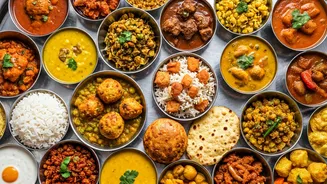
For decades, the perception of Indian cuisine in America and Europe was often filtered through a very specific, and limiting, lens. It was the all-you-can-eat lunch buffet, the late-night takeout spot, the comforting but vaguely generic “curry house.”
The menu was predictable: chicken tikka masala, saag paneer, naan bread. While delicious, this version of Indian food was largely an adaptation, simplified and sweetened for a Western palate and born from a specific history of South Asian immigration to the U.K. This narrow definition created a glass ceiling. While chefs from France, Italy, and Japan could be celebrated as culinary artists and command triple-digit tasting menus, Indian chefs were often expected to provide cheap, abundant comfort food. The immense diversity of India—a subcontinent with dozens of distinct culinary traditions, each as complex as any in Europe—was flattened into a single, marketable category. To be “authentic” often meant conforming to an inauthentic, Western-made box.
The New Guard and Their Unapologetic Vision
That old reality is being systematically dismantled by a new generation of chefs. In New York, Chintan Pandya of Unapologetic Foods has become a phenomenon with restaurants like Dhamaka, which focuses on the “forgotten side of India.” There are no greatest hits here; instead, you find rustic, intensely flavorful dishes like goat neck with fried bread and pork testicles with onions and chiles—dishes rooted in specific regions and home kitchens. His work has earned him James Beard Awards and a reputation as one of America’s most exciting culinary voices.
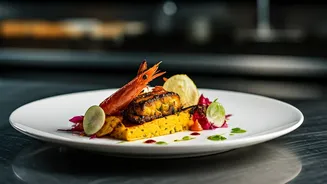
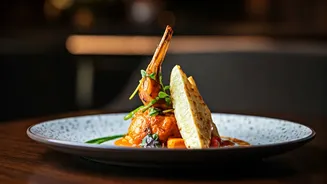
Across the country in California, Srijith Gopinathan, who earned two Michelin stars at Taj Campton Place, continues to explore the boundaries of South Indian cuisine at restaurants like Ettan and Copra. He weaves the coastal flavors of Kerala and California into stunning, artful plates. Meanwhile, in London, Asma Khan’s Darjeeling Express has become a global landmark, not just for its home-style Bengali food, but for its all-female kitchen of home cooks. Khan is a powerful advocate for authenticity and telling the stories behind the food, a theme that resonates deeply with this new movement.
The Secret Ingredient: Owning the Narrative
So, what changed? It’s not that the food in India suddenly got better. The change is about power, confidence, and ownership. This new wave of chefs is no longer asking for permission to present their food on their own terms. They are often second- or third-generation immigrants, or have spent time in top kitchens around the world, and they carry a dual fluency—they understand the global fine-dining landscape but are deeply connected to their own heritage.
They are decolonizing the menu, refusing to translate or dilute. Instead of hiding spice, they celebrate it. Instead of conforming to French techniques, they showcase traditional Indian methods. The storytelling is as important as the seasoning. A meal at Dhamaka or Darjeeling Express is not just dinner; it's an education in geography, history, and personal memory. This resonates with a new generation of diners who crave authenticity and experiences over generic luxury.
More Than Michelin Stars
The accolades—the Michelin stars, the World's 50 Best placements, the glowing reviews—are important validators. They act as a global megaphone, announcing that Indian cuisine deserves a place at the very highest echelon of gastronomy. This institutional recognition, previously reserved for European and Japanese cuisines, creates a virtuous cycle. It attracts investors willing to back ambitious, high-end Indian concepts. It inspires young South Asian chefs to pursue careers in fine dining. And it pushes diners to expand their palates and challenge their own preconceptions.
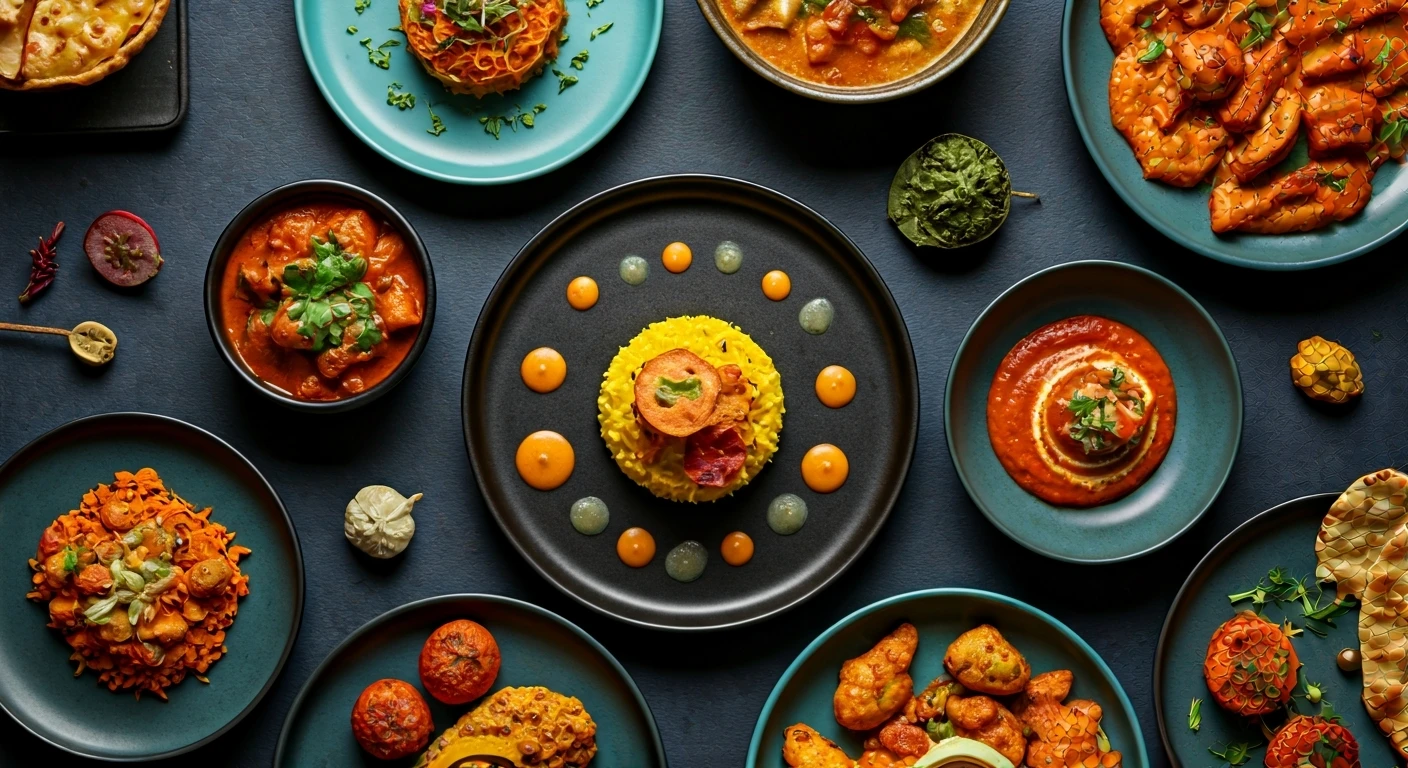
This push is creating a new culinary grammar. It’s showing the world that Indian food isn't one thing; it's a thousand things. It can be the rustic spice of the countryside, the refined elegance of a royal court, or the coastal freshness of the shoreline. The success of these chefs isn't just a win for them; it's a fundamental recalibration of the global culinary map, making it richer, more diverse, and far more interesting.