


The Last Himalayan Outpost
Munsiyari is a name that sounds like a whisper. Tucked away in the Kumaon region of Uttarakhand, this small town has long been known as the ‘Gateway to the Johar Valley.’ For centuries, it was a quiet outpost on the ancient salt route to Tibet, a place
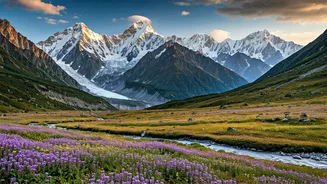
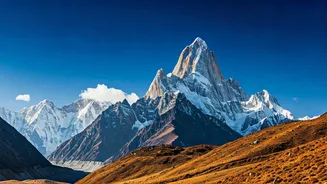
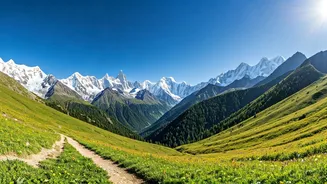
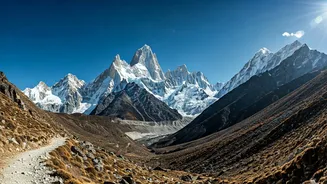
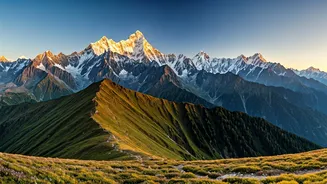
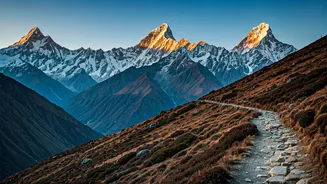
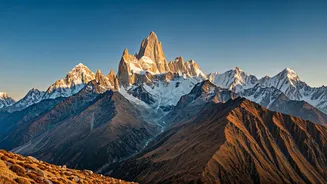
where traders rested before braving the high mountain passes. Today, it still feels like the edge of the world, but in the best possible way. The town sits in a bowl-shaped valley, gazing directly at the staggering Panchachuli peaks—a five-pronged massif of snow and rock that local legend claims represents the final cooking hearths of the Pandava brothers from the epic Mahabharata. The air here is thin, crisp, and filled with the scent of pine and deodar. It’s a place that demands you slow down, breathe deeply, and simply look up in awe.
The Call of the White River
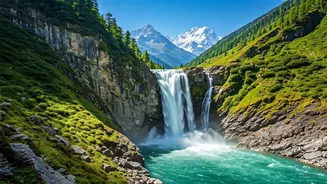
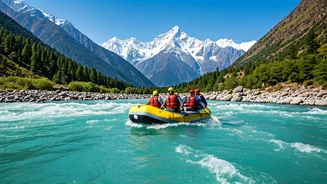
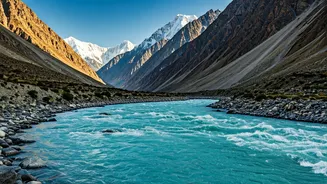
The force transforming Munsiyari from a trekker’s base camp into a full-blown adventure hub is the Gori Ganga. Its name translates to ‘White Ganges,’ a fitting title for a river that runs milky with glacial silt as it thunders down from the Milam Glacier. This is not a gentle, meandering waterway. The Gori Ganga is a beast—a powerful, untamed river that has carved some of the deepest and most challenging gorges in the Himalayas. In recent years, pioneering rafting expeditions have charted its course, revealing a world-class white-water destination with churning Class IV and V rapids. Navigating its currents is a heart-pounding dialogue between human skill and raw, natural power. Paddling through sections named ‘The Churn’ or ‘The Impeller,’ rafters are dwarfed by sheer canyon walls, with only the distant cry of a mountain eagle and the roar of the water for a soundtrack.
Beyond the Rapids
While the river is the new star, Munsiyari’s adventure credentials run deep. The town serves as the starting point for some of India’s most revered treks. The classic route to the Milam Glacier takes adventurers through remote villages, past alpine meadows (known as ‘bugyals’), and ever closer to the snout of the glacier itself. Other challenging trails lead to the Ralam Glacier and the Nanda Devi East Base Camp, routes that are strictly for seasoned trekkers prepared for high altitudes and rustic conditions. For those who prefer to gain height with ropes and crampons, the surrounding peaks offer a lifetime of mountaineering objectives. The region is also a biodiversity hotspot, attracting birdwatchers from around the globe who come hoping to spot the vibrant Himalayan Monal or the elusive Satyr Tragopan. It's a landscape where every trail leads to a different kind of thrill.
A Culture Carved by Mountains
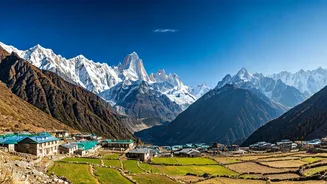
What elevates a trip to Munsiyari beyond a simple adrenaline fix is the deep sense of place. This is the heartland of the Shauka or Bhotia people, a community with unique traditions and a resilient culture shaped by centuries of mountain living. Their brightly colored homes dot the hillsides, and their expertise in weaving produces exquisite woolen shawls and carpets. Unlike manufactured adventure parks, the thrill here is interwoven with authentic daily life. You might share a cup of chai with a guide whose grandfather guided explorers in the 1930s, or buy supplies from a shop that has served generations of traders and pilgrims. This cultural texture provides a powerful counterpoint to the wildness of the landscape, reminding visitors that adventure here is not just about conquering nature, but about connecting with a world that has existed in harmony with it for centuries.