
The Rise of the Curve
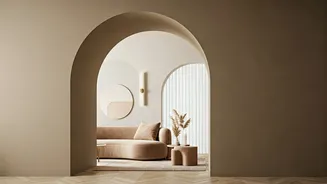
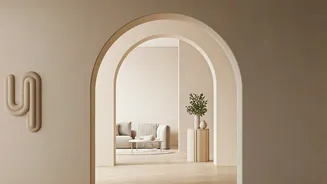
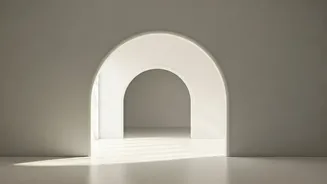
If you’ve scrolled through Instagram or flipped through a design magazine lately, you’ve seen it: the elegant, sweeping curve of an arch. What was once relegated to Mediterranean villas or historic cathedrals is now the star of modern American homes.
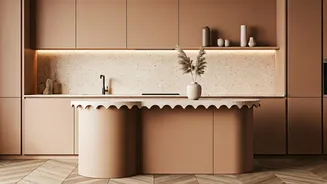
Arched doorways are replacing standard rectangular frames, hallways are becoming graceful colonnades, and simple nooks are being transformed into statement alcoves with a soft, rounded top. This isn't a fringe movement. Trend forecasting platforms like Pinterest have reported massive spikes in searches for “arched doorways” and “curvy walls,” signaling a groundswell of interest that is moving from high-end architectural projects into mainstream consciousness. Designers are embracing the shape for its ability to add instant character and architectural interest to otherwise plain rooms, heralding a move away from the stark, boxy minimalism that defined the 2010s.
A Connection to the Past
Part of the arch's power lies in its deep historical roots. The shape is a foundational element of architecture, evoking everything from the monumental grandeur of Roman aqueducts to the serene cloisters of Spanish missions and the soaring heights of Gothic churches. For centuries, the arch has symbolized strength, permanence, and passage. It’s a form that feels both structurally sound and aesthetically pleasing, a testament to human ingenuity. By bringing arches into our homes, we are subconsciously tapping into this long history. In a world of fast furniture and disposable trends, an arch feels substantial and enduring. It suggests a home built with intention and an appreciation for classic forms, lending a sense of history and gravitas even to a brand-new build. It’s a quiet rebellion against the temporary, a nod to craftsmanship that has stood the test of time.
The Psychology of Softness
So, why this sudden craving for curves? The answer may lie in psychology. After a period of global uncertainty and digital overload, there is a collective yearning for spaces that feel nurturing and safe. Straight lines and sharp corners can feel harsh and confrontational, while curves are perceived as gentle, welcoming, and organic. This shift aligns perfectly with the principles of biophilic design—the practice of connecting people with nature within their built environments. Arches mimic the natural world: the curve of a horizon, the shelter of a cave, the arc of a tree branch. Studies have shown that these organic shapes can reduce stress and create a sense of calm. In essence, the arch is a structural hug. It softens a space, encourages flow, and creates a feeling of sanctuary that many of us are desperately seeking in our homes.
Making the Arch Modern
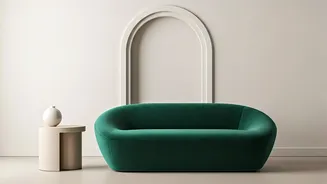
While the shape is ancient, its current application is thoroughly modern. Today’s arches are not always the perfectly symmetrical, stone-clad structures of the past. Designers are playing with the form in creative and accessible ways. The “soft arch,” with its wider, gentler curve, is becoming a popular choice for doorways and passthroughs, offering a subtle transition between rooms. In homes where structural changes aren't possible, the power of the arch is being harnessed through paint. A painted arch can create the illusion of an alcove, frame a piece of art, or serve as a dramatic headboard, providing a high-impact look for minimal cost and commitment. The shape is also appearing in furniture, from arched bookshelves and cabinets to mirrors and lighting fixtures. This versatility ensures the trend isn't just for renovators; it's a motif that can be woven into any home, proving that this timeless element has found its place in the 21st century.