





The New Morning Ritual
Across the U.S., a growing number of young, culturally-savvy South Asians—often called 'Desis'—are consciously uncoupling from the grip of the morning espresso. This isn't a full-scale breakup, but rather a deliberate diversification of their daily ritual.
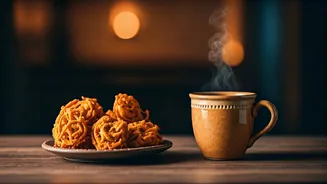
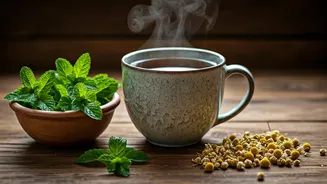
Instead of defaulting to the caffeine jolt of coffee, they’re embracing herbal infusions, many of which have deep roots in their own heritage. This trend is visible everywhere from curated Instagram feeds showcasing vibrant, steaming mugs to the menus of new-age wellness cafes that specifically cater to a global palate. It represents a move toward something more intentional—a beverage chosen not just for its stimulating effect, but for its holistic benefits and cultural resonance.
Beyond the Caffeine Jitters
A primary driver for this shift is the broader, mainstream embrace of wellness. The very things that make coffee effective—its potent, fast-acting caffeine—are also what many are looking to moderate. The familiar cycle of a morning high followed by an afternoon crash, anxiety, and disrupted sleep has led many to seek gentler alternatives. Herbal infusions offer just that. They provide warmth, ritual, and flavor without the nervous energy. Drinks centered on ingredients like ginger, chamomile, mint, or lemongrass can soothe the digestive system, calm the mind, and hydrate the body. For a generation increasingly attuned to mental health and mindful consumption, swapping a high-intensity stimulant for a calming, nourishing brew is a logical and appealing choice. It's less about deprivation and more about an upgrade in self-care.
A Return to Generational Wisdom
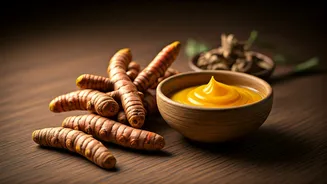
What makes this trend particularly potent within the Desi community is that it’s not about discovering something new, but about reclaiming something old. Many of these 'trendy' herbal drinks are simply modern, beautifully packaged versions of remedies that have been staples in South Asian households for generations. The turmeric latte taking over cafe menus is a photogenic spin on 'haldi doodh,' the warm, spiced milk mothers and grandmothers have prescribed for everything from a common cold to inflammation for centuries. The 'calming' tea with ashwagandha? That’s an adaptogen central to Ayurvedic medicine, a 3,000-year-old system of natural healing from India. This turn toward herbal infusions is a way for a younger, often second or third-generation diaspora to connect with a heritage that might otherwise feel distant. It’s a taste of home, validated by modern wellness science.
From Grandma's Kitchen to Global Cafes
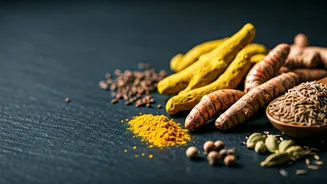
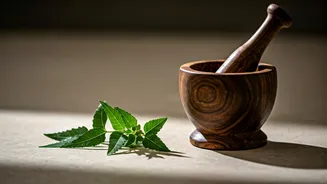
The stars of this movement are ingredients that blend ancient tradition with modern appeal. Turmeric, with its anti-inflammatory properties, is the undisputed headliner. But others are gaining prominence. Tulsi, or holy basil, is another Ayurvedic hero, revered for its ability to combat stress. It’s now sold as a premium tea, enjoyed for its calming, slightly peppery flavor. Ashwagandha, once found only in specialty health stores, is now a popular powder to add to smoothies and warm drinks, prized for its adaptogenic qualities that help the body manage stress. Similarly, infusions of ginger, cardamom, and cinnamon—the foundational spices of masala chai—are being deconstructed and enjoyed on their own for their digestive and aromatic benefits. These aren't just beverages; they are functional, flavorful links to a rich botanical and culinary history.
More Than a Drink, It's an Identity
Ultimately, ordering a moringa tea over a macchiato is a quiet but powerful statement. For many young Desis, it's an act of cultural fusion. It's about taking the wisdom of their ancestry and applying it to their modern, American lives. It signals an identity that is both cosmopolitan and deeply rooted, one that can appreciate a third-wave coffee shop's aesthetic while choosing a drink that honors their grandmother's wisdom. This trend isn't a rejection of Western culture, but an assertion that their own heritage has equally valuable, and perhaps even more relevant, offerings for a balanced life. It’s a delicious, tangible way of saying, “I know where I’m going, because I know where I come from.”