





The One-Size-Fits-None Problem
For decades, the wellness industry has sold us a simple, seductive lie: that there is one perfect diet for everyone. Whether it’s low-fat, low-carb, paleo, or keto, these plans are presented as universal solutions. But the human body is anything but universal.
Prescribing the same caloric intake or macronutrient ratio to a 25-year-old male athlete and a 55-year-old woman with a sedentary job ignores the vast biological landscape that makes each of us unique. This generic approach is why so many diets fail. They treat the body like a simple machine, where 'calories in, calories out' is the only rule. In reality, our bodies are complex ecosystems, influenced by a host of factors that no single diet plan can account for.
Your Unique Blueprint: Genes and Metabolism
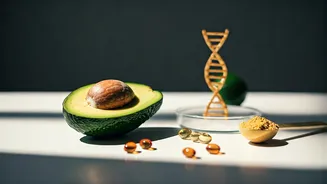
The science of nutrigenomics explores how our DNA influences our response to foods. Your genes can affect everything from how efficiently you metabolize caffeine to your predisposition for high cholesterol or your sensitivity to carbohydrates. Have you ever had a friend who thrives on a high-fat, ketogenic diet, while the same plan leaves you feeling sluggish and foggy? Genetics could be a major reason. Some people are genetically fast metabolizers of fats, while others are better equipped to handle a higher load of complex carbohydrates. This doesn't mean you need an expensive DNA test to eat well, but it does validate the idea that there is no single 'healthy' macronutrient ratio. Your body's ideal fuel mix is written in your biological code, and listening to its signals is more important than following a rigid, external rulebook.
The Gut Factor: Your Inner Ecosystem
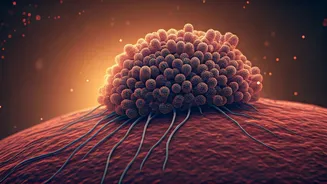
Your digestive tract is home to trillions of microorganisms, collectively known as the gut microbiome. This inner ecosystem is a critical player in your overall health, influencing digestion, immunity, and even your mood. The composition of your microbiome is as unique as your fingerprint, shaped by your diet, environment, and genetics. These bacteria help break down foods your body can't, like certain fibers, and produce beneficial compounds in the process. Two people can eat the exact same meal and have completely different metabolic responses—including blood sugar spikes—based on their respective microbiomes. A diet rich in processed foods can harm this ecosystem, while one filled with diverse, fiber-rich plants helps it flourish. Nurturing your gut with prebiotics (like garlic and onions) and probiotics (like yogurt and kimchi) is a cornerstone of personalized health that generic diets often overlook.
Beyond the Plate: Stress, Sleep, and Lifestyle
Nutrition doesn't happen in a vacuum. Your body’s ability to process food and regulate weight is deeply connected to your overall lifestyle. Chronic stress, for example, elevates the hormone cortisol, which can increase appetite (especially for high-sugar, high-fat foods) and encourage fat storage around the abdomen. Similarly, poor sleep disrupts the hormones that regulate hunger and fullness—ghrelin and leptin—making you feel hungrier and less satisfied after eating. A diet plan that doesn't account for your sleep schedule, stress levels, or daily physical activity is missing huge pieces of the puzzle. True wellness involves a holistic view, where nutrition supports your lifestyle and your lifestyle supports your nutrition.
How to Find Your 'Better'
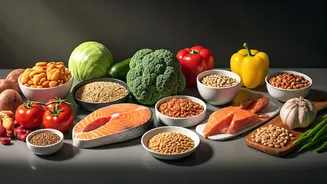
Moving away from generic advice doesn’t mean you’re on your own. It means becoming the lead researcher in an experiment of one: you. Start by paying attention. Instead of obsessing over numbers on a scale, focus on how different foods make you feel. Do you have steady energy after a meal of protein, healthy fats, and vegetables? Do you crash after a carb-heavy breakfast? Keep a simple food and feeling journal for a week or two. Note your energy levels, mood, digestion, and sleep quality. This self-awareness is the foundation of personalized eating. Prioritize whole, unprocessed foods, but allow for flexibility. The goal is not perfection; it's consistency and a deep, intuitive understanding of what helps your unique body thrive.