


The Long Reign of Kibble
Let’s be honest: for most of modern pet ownership, kibble has been king. Invented as a convenient, shelf-stable, and affordable way to deliver baseline nutrition, it solved a major problem for pet owners. No more cooking scraps or dealing with messy canned
foods. It was a marvel of industrial efficiency, formulated to meet the basic dietary requirements set by organizations like the Association of American Feed Control Officials (AAFCO). The entire system was built on a simple premise: pour, serve, repeat. For generations, this was the unquestioned standard, a reliable staple that fueled millions of pets through their daily lives. Its dominance was so complete that the very image of pet food became synonymous with those uniform, crunchy pellets.
The 'Humanization' of Pet Care
So, what changed? We did. The driving force behind the pet food revolution is a powerful cultural shift known as the “humanization” of pets. More and more Americans view their dogs and cats not just as animals, but as furry family members. This emotional upgrade comes with a new set of expectations. We’ve become obsessed with our own wellness—from organic produce and clean eating to personalized nutrition—and we’re now applying that same lens to our pets’ bowls. If we wouldn't eat highly processed food for every meal, why should they? This question is fueling a multi-billion dollar demand for higher-quality ingredients, greater transparency, and diets that look less like factory products and more like actual food. Pet owners are reading labels, questioning fillers like corn and soy, and seeking out options that align with their own health values.
Meet the New Menu
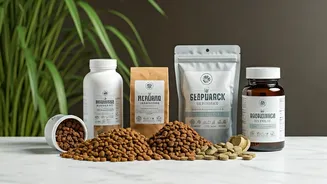
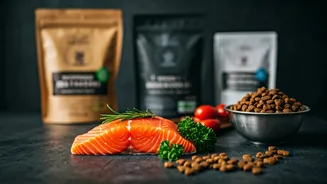
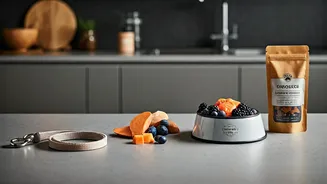
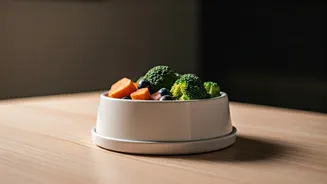
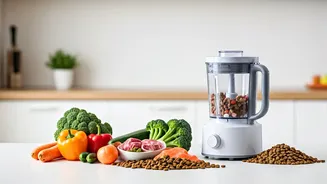
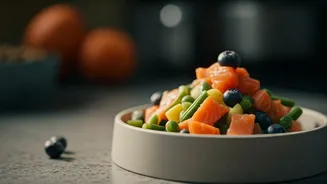
The alternatives to kibble are no longer a niche curiosity. They represent distinct, fast-growing categories. First are the fresh, refrigerated meals, often sold through subscription services. Companies like The Farmer’s Dog and Nom Nom cook gentle, low-temperature batches of meat and vegetables, portion them based on a pet's specific needs, and deliver them to your door. The appeal is obvious: it looks like real food because it is. Then there’s the raw and freeze-dried category. Proponents argue this mimics a more ancestral diet, offering nutrient-dense, minimally processed ingredients. Freeze-drying provides the benefits of raw food without the short shelf life or safety concerns of handling raw meat. Finally, custom-formulated kibble is also emerging, where companies create a unique blend based on a pet’s breed, age, activity level, and health issues, offering a personalized step up from one-size-fits-all bags.
Reading Between the Lines
With this new landscape comes a new vocabulary of marketing terms, and it pays to be a savvy consumer. The term “human-grade,” for instance, has a specific legal meaning: the ingredients and the final product must be stored, handled, processed, and transported in a manner that is consistent with regulations for human-edible food. It’s a high bar that most traditional kibble can't meet. However, fancy ingredients don't automatically equal superior nutrition. The key is formulation. A board-certified veterinary nutritionist’s involvement is a strong indicator that a diet is scientifically balanced to meet a pet's complex needs. While whole carrots and fresh beef are appealing, a complete and balanced diet requires precise ratios of vitamins, minerals, and amino acids that can be lost or imbalanced in poorly designed recipes.
The Price of Premium
This upgrade in quality comes at a significant cost. Fresh food subscriptions can run hundreds of dollars a month for a medium-to-large dog, a stark contrast to a $50 bag of kibble that lasts for weeks. This is the central tension for many pet owners: the desire to provide the best versus the reality of a budget. It's not a simple question of good vs. bad. High-quality kibble still provides excellent, science-backed nutrition for millions of healthy pets. The decision to switch is a personal one, weighing the perceived benefits of fresher, less processed ingredients against a much higher price point. For some, it’s a non-negotiable part of their pet's health plan; for others, it's an aspirational luxury.