




The Itinerary Gets a Rewrite
For decades, the classic international trip for many Indian families followed a predictable script: a whirlwind tour of Europe’s greatest hits or a photo-op-filled journey through Southeast Asia’s most famous temples and beaches. The goal was to cover
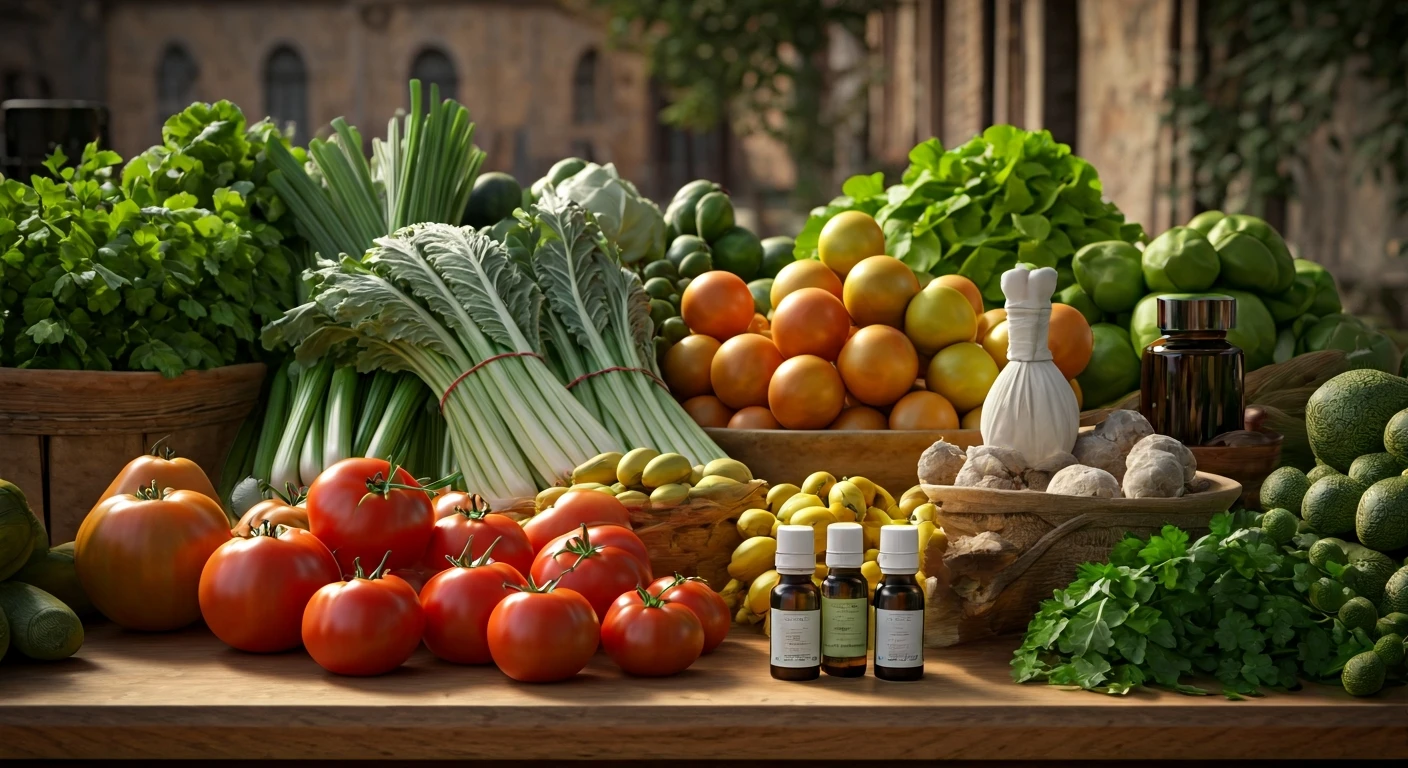
maximum ground, collecting snapshots in front of the Eiffel Tower, the Colosseum, or the Petronas Towers. But that script is being enthusiastically torn up. Today, a growing and influential cohort of Indian travelers is guided by their palates, not just a map. They’re booking flights to Vietnam for the perfect bowl of pho, planning a road trip through Italy based on regional pasta specialties, or dedicating days in Tokyo to exploring everything from Michelin-starred sushi bars to humble street-side ramen stalls. Travel agents and booking sites report a surge in inquiries where culinary experiences are the non-negotiable centerpiece of the trip, with sightseeing planned around meals, not the other way around. This isn't just about finding good food; it's about pursuing it as the primary travel objective.
What's Fueling the Food-First Approach?
This gastronomic shift is powered by a perfect storm of economic and cultural factors. First, India's burgeoning middle and upper-middle class has more disposable income than any previous generation. They’ve already done the classic sightseeing tours and are now seeking deeper, more immersive experiences. Second, social media has transformed travel inspiration. Instagram feeds and YouTube travel vlogs are no longer just showcasing postcard views; they’re filled with tantalizing close-ups of street food, bustling markets, and unique dishes. Influencers who specialize in food travel have cultivated a massive following, turning a hidden gem of a restaurant in Lisbon or a specific food stall in Bangkok into a must-visit destination. This exposure has created a generation of globally aware foodies who are confident and curious, eager to taste the world for themselves. Travel has become less about saying "I was there" and more about proving "I ate that."
Beyond the Search for Biryani
Another crucial element is the evolution of the Indian palate itself. The old stereotype of Indian tourists traveling with pre-packaged meals or exclusively seeking out Indian restaurants abroad is rapidly becoming obsolete. While the comfort of familiar food is still a factor for some, millions are now adventurous eaters. Urban India is saturated with restaurants offering global cuisines, from authentic Japanese to regional Italian, which has cultivated a taste for and understanding of international flavors at home. When they travel, they’re not looking for a watered-down version of a local dish; they want the real thing. They can distinguish between Neapolitan and Roman pizza and have strong opinions on the proper broth for ramen. This confidence allows them to dive headfirst into local food cultures, engaging with destinations on a more authentic, sensory level. They’re seeing food not just as sustenance, but as a direct gateway to understanding a place and its people.
The Destinations Winning the Flavor Game
The global tourism industry is taking notice. Destinations that offer rich, accessible, and diverse culinary scenes are reaping the benefits. Southeast Asian countries like Thailand and Vietnam have become hotspots, celebrated for their vibrant street food culture that offers incredible flavor at an affordable price. Japan is another magnet, attracting travelers obsessed with the precision and artistry of its cuisine, from sushi to kaiseki. In Europe, Italy and Spain are perennial favorites, but travelers are now venturing beyond Rome and Barcelona to explore the specific culinary identities of regions like Sicily, Bologna, or the Basque Country. Even the United States is seeing this trend, with food-loving Indian tourists planning trips to New Orleans for Creole food, New York for its iconic delis and food halls, or California for its farm-to-table scene. Tourism boards are adapting their marketing, shifting from promoting just castles and museums to highlighting food trails, cooking classes, and famous local chefs.